
SaaS Security Best Practices: Protecting Your Data in the Cloud
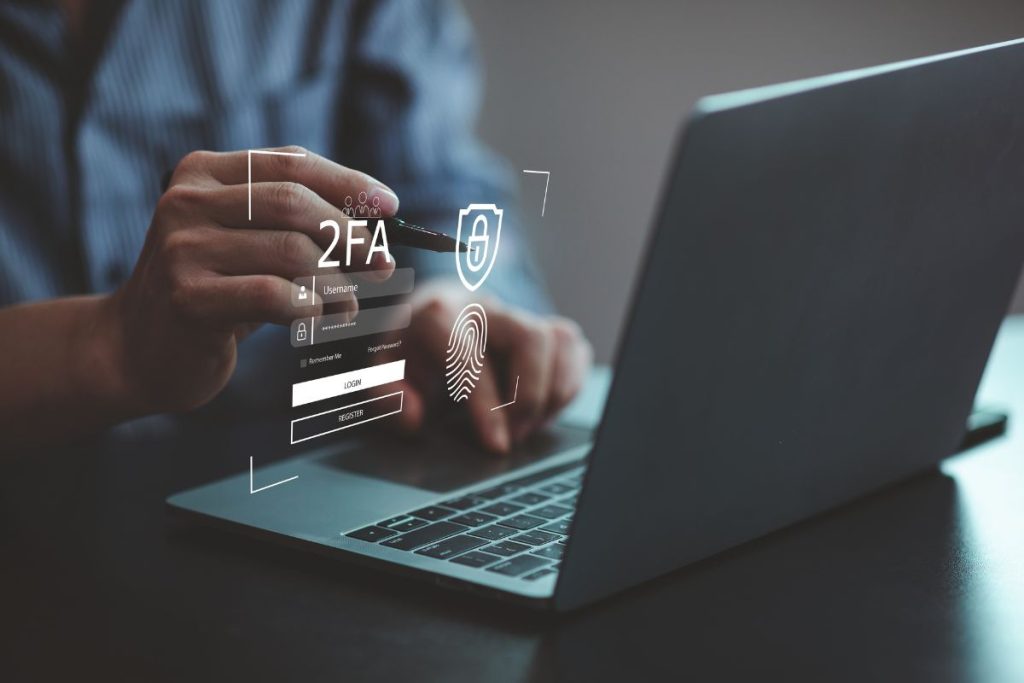
In today’s world, where technology has become the trending business strategy, SaaS has transformed the business world through efficient and easily customizable cloud solutions. However, with these advancements comes a significant concern: offering security to data that is stored and processed in a cloud setting- SaaS Security. The need for data protection ceases to be an extra perk when companies depend on SaaS applications.
In this article, we will look at ways of making SaaS environments more secure and what steps businesses should take to safeguard their data in the SaaS cloud.
Understanding the Shared Responsibility Model in SaaS Security
The first lesson that must be learned about SaaS security is that everyone is partially right. In this structure, SaaS vendors are directly in charge of the physical layer, namely servers, networks, and data centers. “However, the consumers of the SaaS platforms have the responsibility of controlling access to the application and protecting the accounts and data that are input into the application and that which is derived from it,” says Kevin Murray, a technical writer at Startup Grind.
According to this division of responsibilities, business entities would be in a position to understand how to handle their security concerns. This is an important issue for organizations to understand because it gives a clear definition of exactly what area of the organization is responsible for security.
Evaluating SaaS Vendors Thoroughly
Choosing your SaaS provider is not only about the features; security must be one of the primary concerns. However, the implementation of any solution requires an evaluation of the vendor’s security policies. Here are some key factors to consider:
- Data Encryption: Fourth, the vendor should have sufficient encryption of data, whether transmitted or in the vendor’s system.
- Compliance Standards: Ensure that the provider complies with the existing regulations such as GDPR or other regulations, SOC 2, or ISO 27001.
- Incident Response Plans: Find out how the vendor handles such incidents as breaches or any other security incident.
- Audit Practices: Select vendors that perform third-party security audits to check compliance with certain standards.
A thorough evaluation of vendors ensures you select a partner that aligns with your security and compliance needs.
Strengthening Authentication Practices
This shows that compromised credentials remain a leading factor in data breaches in the cloud while strong authentication can combat this. With the help of MFA, an extra factor that has to be provided is used to secure the account of the user, for instance, the password and a number valid
for one time only. Single Sign-On (SSO) links several access points but at the same time ensures that they are secure and the user will only have to log in once for all the applications. Strong password compliance guarantees that users set proper passwords and that these passwords are frequently changed. All these measures are not only security enhancing but also user friendly.
Managing User Access Effectively for Maximum SaaS Security
This article discusses access control as one of the important components of SaaS security. In other cases, such as the over-permissioning of the accounts or the unutilized user profiles, exposures can result. To mitigate these risks, organizations should:
- Implement Role-Based Access Control (RBAC): Provide permissions according to the user’s position to limit the data and functions that the user can use to those he or she needs.
- It is also important to set time to review accounts and permission settings for a certain user by comparing them with the current activity of this user.
- Restrict usage for people that are no longer using the software in their workplace or in a different capacity.
Effective access management means that a number of security threats can be prevented, both by accident and on purpose.
Encrypting Sensitive Data to Enhance SaaS Security
Encryption of data is critical in today’s security. Encryption of the information makes it safe to be in the hands of the interceptor in case it is intercepted. “Any data that is stored and Keeping Systems Updated any data that is transmitted should be encrypted by the organizations, and they should make sure that they use standard encryption types like AES 256 and that the keys used for the encryption should be protected by KMS,” explains Colin Whitworth, a tech blogger at Maddyness. The above activities are helpful as a way of shielding information in case it falls into the wrong hands.
Keeping Systems Updated
The threats are constant in the cyber world, and the hackers get into the system through the most basic way of having the software outdated. Updates and patches should be applied immediately; firms should monitor release notes to understand when new patches are out, and patches should be tested in staging to avoid subverting organizational processes. It is said that keeping all systems up to date will afford protection against the new threats and will retain the general safety of the organization.
Educating and Training Employees
While IT security measures are strong, user mistakes are still the most frequent source of cyber threats. Businesses can greatly enhance their security if they leverage on ATS integrations at the point of recruitment to ensure that all employees are aware of the risks they face. Key steps include:
- Regular Training: Phishing and other social-engineering attacks, defensive actions Individuals should receive continued, periodic training for appropriate behaviors.
- Clear Reporting Processes: Make it possible for the employees to come out with information that seems to have gone astray without fearing being punished.
- Scenario-Based Drills: Perform drills as a way of training the employees on how to
handle security incidents as they occur.
An informed workforce is the first and strongest barrier against cybercriminals.
Monitoring SaaS Activity
Without insight into SaaS activity, security problems can go unnoticed and remain unresolved in real time. CASBs, for instance, provide visibility of cloud application usage and policy enforcement. It is advised that car alarms should be set to warn on such incidences like repeated tries of access or high-frequency downloads. The systematic analysis of logs may reveal possible patterns and prevent possible risks that may require immediate actions against possible threats.
Establishing a Backup and Recovery Plan
It is always possible that data is lost to cyber attackers, or is deleted, corrupted, or is otherwise unavailable due to system or human failure; therefore, it is critical in business continuity to have these precautions in place. Automated backup helps to keep the most important data updated at all times. Periodically, the effectiveness of recovery processes is checked, which are encrypted and stored at different locations than the backups. These measures prevent long hours of inoperativeness and guarantee that operations can start shortly.
Ensuring Regulatory Compliance
Legal and regulatory requirements are also important in SaaS security, for the failure will attract penalties and a bad reputation. Companies need to know what rules apply to them, including HIPAA, GDPR, or CCPA rules. It is also important to work with SaaS providers that meet the same standards and that they should also have proper documentation that can be produced and composed in any audit.
Security measures that can conform to regulations will ensure that clients have confidence in the organization and will avoid legal consequences.
Collaborating with SaaS Providers
Last but not least, one should always stay in touch with the SaaS providers. The fact that security issues are discussed periodically, and people learn about the changes that are happening, creates a culture of security. This way, the businesses and providers will complement each other in security and take care of future challenges as a team.
Data security in the cloud is a complex issue that can only be effectively addressed by using well-fortified technology, good management practices, and a well-trained staff. Adhering to these best practices will allow organizations to protect their SaaS environments, remain compliant, and protect their brand in digital environments that are rapidly becoming the norm.
There is no doubt that security needs to be addressed as the SaaS market grows to ensure sustainable success in the future.
