
Larry Ellison Net Worth 2025: How Much Is Oracle’s Co-Founder Worth Now?
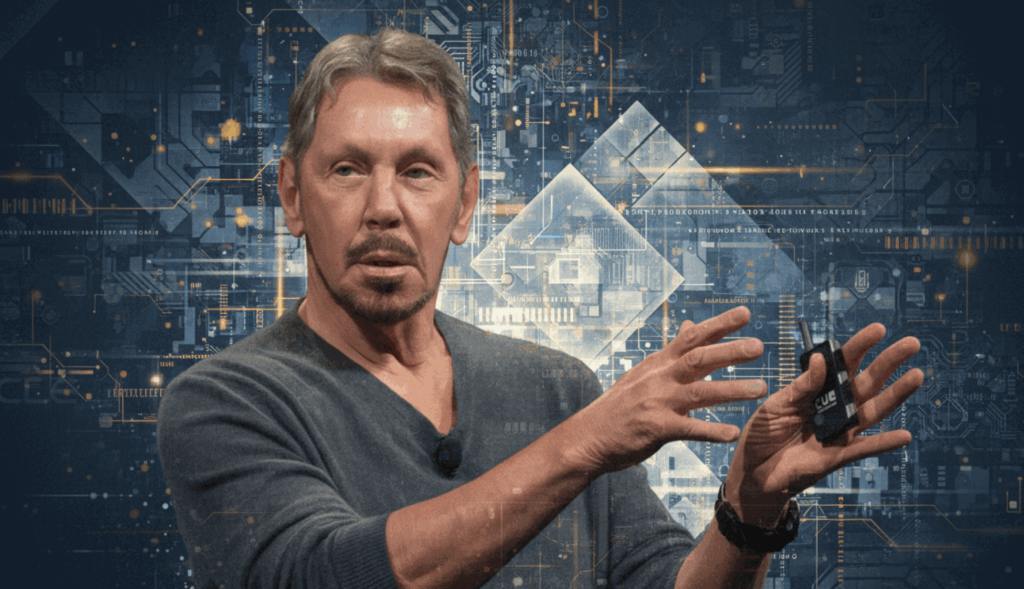
Larry Ellison doesn’t just have wealth; he has Oracle wealth, built on one of the world’s most powerful software companies. That’s a different category entirely. When you control a software empire that powers half the world’s databases, wealth follows. However, Ellison’s story isn’t the typical tale of a tech billionaire. He built his fortune through aggressive acquisitions, bold bets, and an obsession with winning that makes other CEOs look timid.
The $115 Billion Reality Check
Larry Ellison’s net worth sits at approximately $115 billion as of 2025. This places him consistently among the world’s five wealthiest individuals, trading spots with Elon Musk, Jeff Bezos, and Bill Gates depending on market fluctuations.
But here’s what makes Ellison different from other tech billionaires: his wealth isn’t diversified across multiple ventures. It’s concentrated. Oracle stock represents roughly 85% of his total net worth through his 40% stake in the company he co-founded in 1977.
This concentration creates massive volatility. When Oracle stock jumps 10%, Ellison gains about $4.6 billion overnight. When it drops, he loses the same amount just as quickly. Most financial advisors would consider this risky. For Ellison, it’s business as usual.
The man has never believed in playing it safe. His entire career proves that concentrated bets on yourself pay better than diversified portfolios managed by committees.
Oracle: The Money Machine That Never Stops
Oracle didn’t become a $300+ billion company by accident. Ellison built it through relentless focus on database software when most people didn’t even know what a database was.
The company generates approximately $50 billion in annual revenue. But revenue means nothing without profit margins, and Oracle’s margins tell the real story. Software licensing brings gross margins of 90%+. Cloud services deliver 70%+ margins. These margins aren’t typical; they’re engines of wealth creation
Ellison’s 40% ownership stake means he directly benefits from every dollar Oracle generates. The company pays dividends quarterly, putting roughly $400 million into his pocket annually just from dividend payments. That’s passive income that most people can’t achieve with active work over multiple lifetimes.
But dividends represent just a fraction of his Oracle returns. Stock appreciation drives the real wealth creation. Oracle shares have generated annualized returns of approximately 15% over the past two decades, turning Ellison’s initial investment into a fortune that rivals a small country’s GDP.
The database business isn’t sexy. It’s not consumer-facing like Apple or entertaining like Netflix. But it’s essential. Every major corporation runs on Oracle databases. Banks, airlines, retailers, and governments all depend on Oracle software to function.
This creates what Warren Buffett calls an economic moat. Switching database providers costs millions and risks operational failure. So Oracle customers stay Oracle customers. Revenue becomes predictable. Margins stay high. Stock prices trend upward.
Beyond Oracle: The Island Owner’s Investment Strategy
Owning Oracle stock made Ellison rich. His other investments made him legendary. In 2012, he purchased 98% of the Hawaiian island of Lanai for $300 million. Most people saw this as an expensive vacation home. Ellison saw it as a long-term real estate play with unlimited upside potential.
The island spans 140 square miles with pristine beaches, luxury resorts, and zero property taxes for the owner. He’s invested another $500+ million in developing sustainable infrastructure, renewable energy systems, and luxury amenities. Current estimated value? Over $1.5 billion.
Lanai represents more than investment returns — it offers strategic flexibility for future ventures. The island could become a private retreat, a technology testing ground, or a sustainable living experiment. Ellison bought future possibilities, not just land.
His real estate portfolio extends far beyond the Hawaiian Islands. The Malibu estate cost $200 million. The Lake Tahoe compound required another $100+ million. Multiple properties in Japan, California, and Rhode Island add hundreds of millions more to his asset base.
These aren’t just homes. They’re appreciating assets in locations where supply stays limited while demand from ultra-wealthy buyers continues growing. Real estate provides portfolio diversification outside Oracle stock while generating tax advantages through depreciation and strategic financing.
Then there are the lifestyle assets. Ellison owns multiple superyachts, including the 288-foot Rising Sun, valued at approximately $200 million. Private jets, rare art collections, and vintage cars add tens of millions more to his net worth calculations. Critics see extravagance; Ellison views them as investments in both experiences and appreciating assets.
Where Ellison Stands Among Tech Titans
The billionaire rankings shift constantly, but Ellison maintains his position in the top crust through pure Oracle dominance.
Elon Musk’s wealth swings wildly based on Tesla stock and his Twitter adventures. Jeff Bezos diversified away from Amazon through space ventures and philanthropy. Bill Gates sold most of his Microsoft stake decades ago. Ellison? He doubles down on Oracle.
This strategy creates both vulnerability and opportunity. When tech stocks crashed in 2022, Ellison lost approximately $30 billion in paper wealth. He didn’t panic or diversify; instead, he bought more Oracle shares at discounted prices.
The contrast with other billionaires reveals different philosophies. Bezos spreads risk across Blue Origin, real estate, and charitable foundations. Gates focuses on global health through systematic philanthropy. Musk chases multiple moonshot ventures simultaneously.
Ellison concentrates. He believes Oracle represents the best investment opportunity he’ll ever find, so why dilute returns with inferior alternatives? This conviction either makes him brilliant or reckless, depending on Oracle’s future performance.
Numbers support his confidence. Oracle stock has outperformed the S&P 500 over most long-term periods. The company generates consistent cash flow regardless of economic cycles. Database software isn’t going anywhere.
But concentration creates unique pressures. Other billionaires can absorb losses in one venture through gains in others. Ellison’s fortune rises and falls with the company’s performance. This amplifies both wealth creation and destruction potential.
The Roller Coaster Years
Ellison’s net worth has fluctuated sharply, rising and falling with Oracle’s stock performance. In 2000, during the dot-com peak, his Oracle stake briefly made him the world’s richest person. Then the bubble burst. He lost $50+ billion in paper wealth over 18 months as Oracle stock collapsed from $95 to $7 per share.
Most people would have sold. Ellison bought more shares. He understood that database software demand would recover as internet adoption accelerated globally. The bet paid off spectacularly.
The 2008 financial crisis triggered another wealth destruction cycle. Oracle stock fell 60% peak-to-trough. Ellison’s net worth dropped from $60 billion to $22 billion. Again, he held his position and purchased additional shares at depressed prices.
By 2021, Oracle’s cloud transformation drove shares to new highs. Ellison’s net worth peaked above $120 billion, making him temporarily wealthier than Warren Buffett. The tech selloff of 2022 erased $40 billion of that gain within months.
These fluctuations don’t represent realized losses, since Ellison rarely sells his shares. Ellison doesn’t sell Oracle stock to fund lifestyle expenses. His dividends and other investments cover personal spending. The paper wealth changes reflect market sentiment more than fundamental business performance.
This pattern is likely to persist, with Oracle stock swinging 30–50% annually, based on earnings reports, market conditions, and investor psychology. Ellison’s net worth will follow these movements because he refuses to diversify away from his highest-conviction investment.
The Giving Pledge Reality
Ellison signed Warren Buffett’s Giving Pledge in 2010, committing to donate at least 50% of his wealth during his lifetime or at death. But his approach to philanthropy differs dramatically from typical billionaire strategies.
Gates and Buffett established massive foundations with professional management teams and systematic giving strategies. They’ve donated tens of billions already, reducing their net worth through strategic philanthropy.
Ellison takes a different path. His charitable giving focuses on medical research, education, and disaster relief, but operates through smaller, targeted donations rather than a single mega-foundation.
The Ellison Medical Foundation supported aging research before closing in 2013 after distributing $430 million. His donations to the University of Southern California funded cancer research facilities. Disaster relief efforts in Puerto Rico and other regions received significant funding.
But these gifts represent a small percentage of his total wealth. Unlike Gates, who has given away over $50 billion, Ellison retains most of his fortune while it continues growing through Oracle appreciation.
This strategy reflects his belief that wealth compounds better in his hands than through traditional charitable foundations. He can create more philanthropic impact by maximizing wealth creation now and donating larger amounts later.
Critics argue he isn’t giving at the necessary scale or pace. Supporters point out that his Oracle shares generate more value for society through job creation, innovation, and tax revenue than immediate charitable distributions might achieve.
What Sustains This Fortune
Ellison’s wealth survives because it’s built on genuine economic value creation, not financial engineering or market speculation.
Oracle dominates enterprise database software. This isn’t a winner-take-all consumer market that could shift overnight. Businesses depend on Oracle systems for core operations. Migration costs exceed benefits for most customers.
The company’s cloud transition expands addressable markets while maintaining pricing power. Subscription revenue models create predictable cash flows while AI and machine learning integration open new growth opportunities.
Ellison’s concentrated ownership aligns his interests with Oracle’s long-term success. He doesn’t need to diversify for lifestyle funding. Dividend income covers personal expenses, and stock appreciation builds wealth automatically.
This structure creates sustainability advantages over other billionaire wealth sources. Tesla stock depends on automotive market dynamics and Musk’s public statements. Amazon faces increasing regulatory pressure and competition. Oracle operates in a more stable, less politically sensitive industry.
The biggest risk isn’t market volatility or competitive threats. It’s succession planning. Ellison turns 81 in 2025. Oracle’s future leadership transition could trigger investor uncertainty and stock price volatility.
But database software demand will outlast any individual executive. Oracle’s technical infrastructure, customer relationships, and market position create value independent of leadership personalities. The wealth machine continues running regardless of who operates it.
Ellison built more than a personal fortune; he created a technology platform that underpins global business infrastructure. that generates wealth through genuine economic contribution. That foundation supports sustainable billionaire status for decades to come.
