
5 Reasons To Look For Emergency Response Systems For Elderly Care

As people age, ensuring their safety and independence becomes increasingly important. Emergency response systems designed for seniors help them by providing quick and reliable help during urgent situations, offering security and peace of mind. Thus, they become the most important part of senior care.
Furthermore, these systems ensure that help is just a button press away in case of an emergency, such as a fall or a medical issue. With 24/7 monitoring, instant alerts, and GPS tracking, these devices let you get assistance immediately when required.
Therefore, families and caregivers can also be assured that the residents are protected, especially when they cannot be there. Such a connection helps the senior stay independent without necessarily jeopardizing their safety.
Here are five key reasons emergency response systems are critical for senior care.
1. Provides Immediate Assistance During Emergencies
Emergencies can occur at any time, and in crucial situations, every second counts. Hence, an emergency response system ensures that seniors can always get help immediately, thus reducing the risks associated with delayed medical attention.
Moreover, many of these systems are designed to include wearable devices, pendants, or bracelets, each with an emergency button. This emergency button connects users to a 24/7 staffing service composed of specially trained professionals. For example, an emergency response system for Canadian seniors ensures immediate assistance across Canada by enabling responders to assess the situation and dispatch the appropriate help.
Additionally, timely response times make all the difference in terms of results. For instance, should one fall and be unable to get up, getting them to a care facility sooner prevents complications such as dehydration and further injury due to their inability to move freely.
2. Enhances Safety and Independence for the Elderly
Many seniors would love to stay home while aging and remain independent. However, living alone can be challenging to manage due to safety concerns. Fortunately, emergency response systems balance safety and autonomy, enabling seniors to confidently live independently.
These systems act as a safety net so that the elderly can go about their everyday activities without any fear. So, whether they’re cooking, gardening, or even moving around the house, they know help is available. This helps families feel much less worried when leaving their elderly loved ones alone.
Moreover, emergency response systems offer a balance by making seniors feel secure, enabling them to minimize the risks of an accident or a health emergency. In this light, a proper balance enhances independence while minimizing specific risks to the individual senior or one’s overall quality of life for all family members involved.
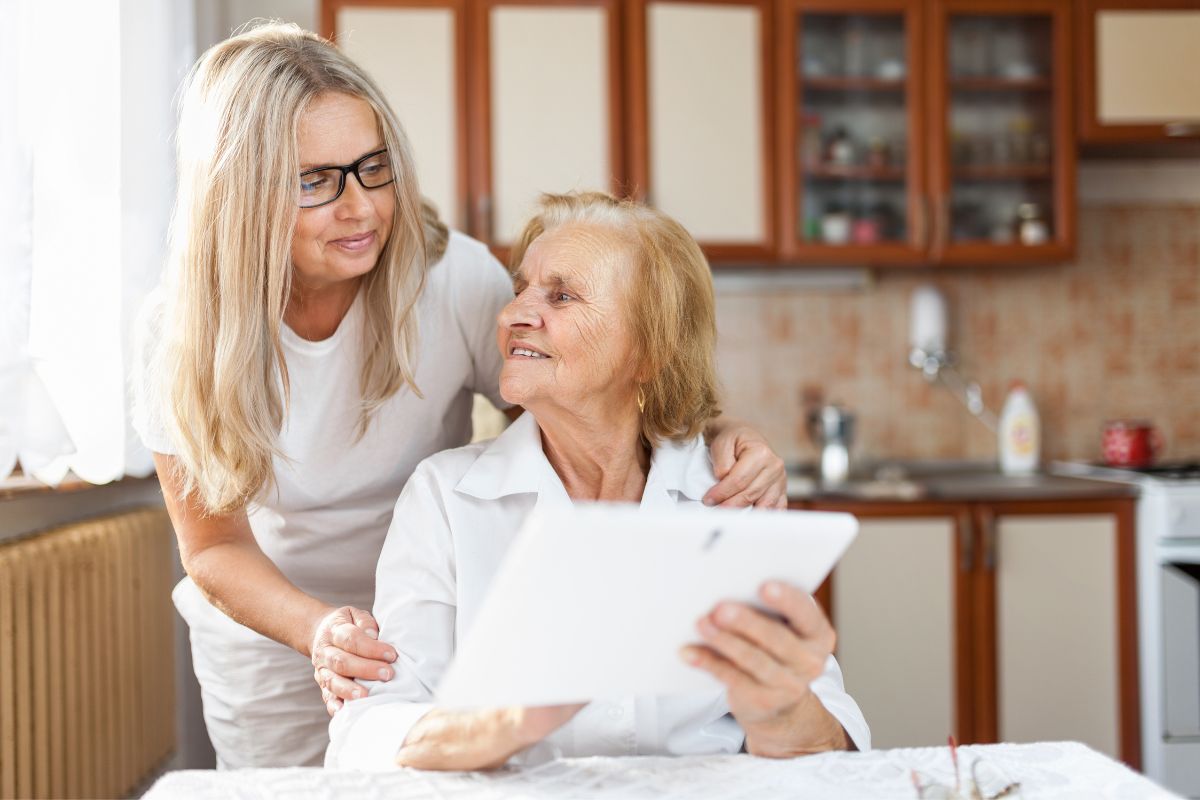
3. Offers Peace of Mind for Family Members
Family members often worry about the safety of their elderly loved ones. Thus, an emergency response system eases these worries by reassuring them that seniors have a reliable way to get help if needed, even when family members aren’t there.
Besides, countless systems also keep the information to the families. Once there is an emergency, alerts may be sent on the spot to family individuals instantly through text or email communication. For example, for this system, if a senior individual falls and presses the buttons regarding an emergency, their concerned individuals will be informed at that moment.
Additionally, this constant connection alleviates much stress for the families: They can go about daily responsibilities securely, knowing that their loved ones indeed have dependable support. Moreover, this connection will enhance the bond between the seniors and their families and assure them that all are safe and secure.

4. Monitors Health Conditions Remotely
The modern emergency response system has grown beyond just helping in times of emergency. Many have also added health monitoring capabilities that further facilitate the remote monitoring of seniors’ health. This generally includes vital signs such as heartbeat, blood pressure, and oxygen levels.
Besides, if it detects something abnormal, it may also send notifications to caregivers or doctors on the spot. This more advanced feature has proved to be quite a boon for elderly patients with chronic diseases such as diabetes and heart disease. The systems cut down on doctor visits through the early detection of health disorders.
5. Ensures Quick Communication with Caregivers or Medical Services
Emergency response systems make it easier to continue good communication in an emergency. These devices link seniors directly to caregivers, family members, or medical professionals so they are not abandoned and helpless at their most important moments.
Most systems connect to monitoring centers that are staffed with trained operators 24/7. These personnel can rapidly assess emergencies and take the right action, whether calling in paramedics or notifying a caregiver. Fast responses mean seniors get help without delay.
Some of them are also two-way, featuring direct communication. For example, two-way voice devices allow seniors to speak directly to a family member or caregiver. This results in faster responses and provides comforting and emotional support during time-pressing situations.

Final Thoughts
Emergency response systems are not devices but lifelines in the truest sense. They keep seniors safe, independent, and connected to help when needed. These systems solve many challenges seniors generally face by offering speedier assistance, improving communication, and monitoring health.
Therefore, these systems provide families peace of mind, knowing their loved one is protected. Thus, seniors can live independently while maintaining contact with caregivers and medical professionals. Investing in these systems will result in a better quality of life for seniors and their families rather than merely basic safety. It is important to factor in web design trends to ease access and usability of emergency response systems for the elderly.

