
5 Safety Best Practices For Conveyor Operations

A conveyor belt is the workhorse of modern industry, silently moving goods and materials across long distances. This technological marvel has transformed logistics by streamlining procedures and increasing efficiency in various sectors around the world.
Belt conveyors in manufacturing plants are seamlessly integrated into assembly lines to speed up output. In mining operations, these conveyors transfer ore from excavation sites to processing facilities.
According to Future Market Insights, the worldwide conveyor belt market could increase from USD 4.0 billion in 2023 to USD 6.0 billion by 2033. These statistics show a huge increase in the use of conveyor belt systems.
However, despite their numerous advantages, conveyor systems pose significant safety hazards to operators. That highlights the importance of improving safety precautions in workplaces that rely on this machinery. The following are important conveyor belt security strategies to implement in 2024.
A Comprehensive Approach to Belt Conveyor Safety
Ensuring worker safety around belt conveyors necessitates a multifaceted approach that includes the use of safety devices, extensive training, and excellent emergency planning.
Organizations may build a strong safety culture and reduce the risk of accidents and injuries by combining these aspects into a unified safety framework.
Here’s how each component helps to ensure belt conveyor safety:
1. Working with other types of conveyors
When dealing with an aerial conveyor:
- Ensure guards and safety plates are in place to keep persons working below safe from falling objects.
When working on bucket conveyors:
- Ensure that both vertical and horizontal bucket conveyors are fully enclosed.
When working with pneumatic conveyors:
- Familiarize yourself with control mechanisms and release valves for shutting off airflow in case of a blockage.
- Shield joints and access locations to keep material from being thrown in the case of a gasket failure.
- Make sure there is screening at the suction end to keep significant things from being sucked in.
When operating on material conveyors:
- Use only weather-proof electrical components.
- Make sure electricity lines aren’t trodden on or run over.
- Make sure sideboards are tall enough to keep large objects from toppling and tiny items from being tossed by the wind.
- Chock the wheels of trucks and rail cars being loaded or unloaded using portable conveyors.
- Do not exceed the conveyor’s rated load capacity.
When operating with moving conveyors:
- Install barriers and guardrails, and/or mark the ground to identify the conveyor’s operation area.
2. Comprehensive Training and Education
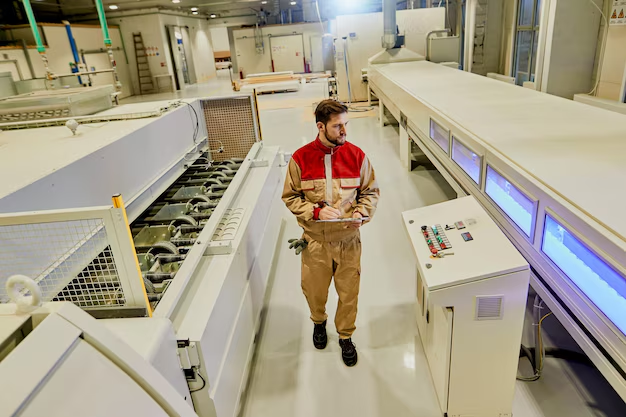
Workers must be equipped with the knowledge and skills necessary to operate and work near belt conveyors.
Conveyor system operators must be trained to follow defined protocols, such as correct start-up and shutdown procedures, load-handling skills, and safe clearance practices. Workers must grasp the significance of wearing proper PPE, following safety regulations and responding efficiently to crises.
Ongoing education and refresher training ensure that staff remain aware and ready to face changing safety concerns.
The most effective way to educate workers about safety is through 3D animated SOP films. The entertaining safety animations and audio-visual learning movies help workers quickly comprehend the processes needed to keep themselves and others safe.
3. Effective Emergency Preparedness
Preparedness for crises is critical for mitigating the effect of unplanned catastrophes like conveyor belt fires, equipment breakdowns, and worker injuries.
Organizations must create and implement effective emergency response plans detailing evacuating staff, activating emergency stop switches, and summoning assistance. Regular exercises and simulations help to reinforce emergency measures and guarantee that workers can respond calmly and decisively in high-pressure situations.
In the world of industrial operations, safety is more than simply a priority; it is a responsibility shared by all members of the business. Investing in these fundamental aspects of conveyor belt safety displays a dedication to prioritizing safety and creating a safe working environment.
Explore our comprehensive emergency preparedness blog to gain helpful ideas and strategies for improving your organization’s hazard communication and safety processes.
4. Maintenance Plans
Regular conveyor belt maintenance, can help prevent system failures by addressing mechanical breakdown warning indications. Finding faults with the conveyor’s moving parts necessitates regular inspections.

There is no established plan for how frequently you should inspect the condition of your conveyor belt systems. The scope of the review dictates the frequency. Before starting a conveyor belt system, make sure no debris is trapped. To check for broken or loose parts, turn on the machine and listen for any unexpected noises.
On the other hand, you should hire a conveyor belt specialist to complete inspections on a weekly or monthly basis. Belt mistracking, bruised joints, and broken rollers are some of the more severe issues that would be addressed during these tests.
5. Safety Measures for Operating Conveyor Systems
When fatigued, conveyor belt operators may be tempted to sit or rest on this apparatus. The implications could be disastrous, especially if it happens while the equipment is in motion. Remember that a conveyor belt is intended to transport things, not humans, from one location to another. Resist the impulse to sit, stand, or even walk on a moving belt.
Furthermore, conveyor belt constructions have pinch points or moving sections that might catch and tear your garments to shreds. Worse, the pinch points may become stuck and seriously harm your limbs.
In addition to the above, various general conveyor safety measures should be considered to ensure worker safety and industrial process efficiency.
Ensure Bearing Lubrication: Proper bearing lubrication provides safety while the conveyor is in motion. Loose bearings that are not adequately greased begin to vibrate, producing overheating.
- Turn off the power: As discussed, ALWAYS turn off the power before performing conveyor system maintenance or repairs. The power should be entirely turned off by sealing the energy at the source.
- Never Cross a Moving Conveyor: When the conveyor system is in motion, never cross it except at designated crossing places. These should include feasible crossing points at certain locations.
- Establish Standard Procedures: Ensure that suitable safety policies are in place and that all employees have received training on these procedures. Provide continuous training as methods evolve or change.
The End Note!
As stewards of safety in industrial contexts, you must prioritize your employees’ well-being while maintaining your organization’s integrity. You may protect your business from potential hazards and demonstrate your dedication to workplace safety by implementing thorough safety measures, investing in regular training, and cultivating a culture of safety and responsibility.

