
7 Ways Restaurant Chains Can Improve Kitchen Efficiency as They Expand
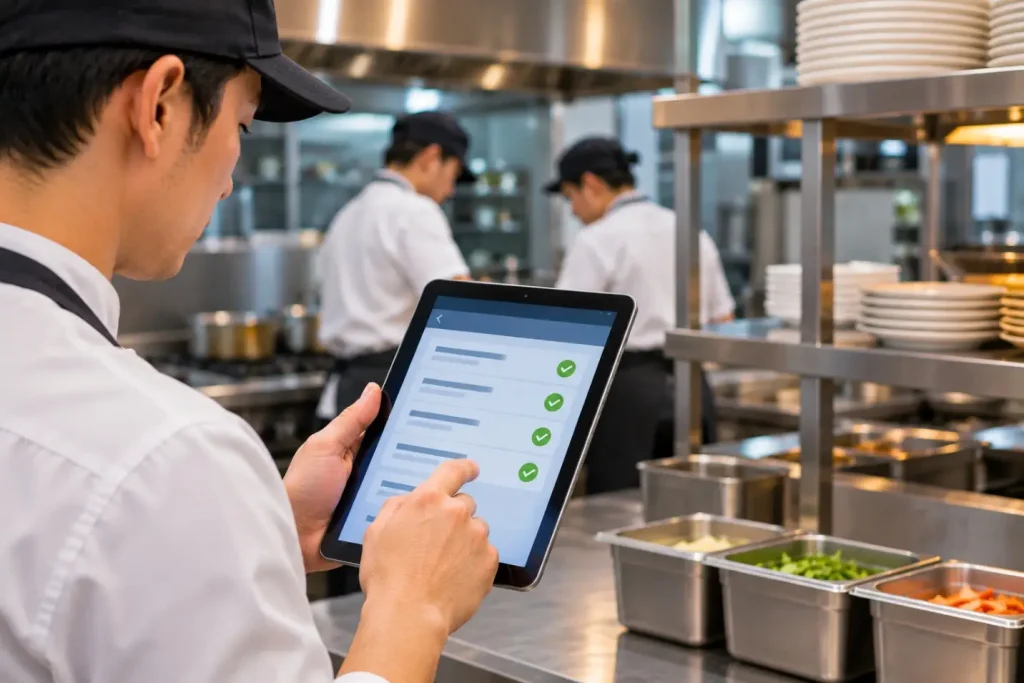
Expanding a restaurant business brings new opportunities, but managing multiple kitchens also creates operational challenges. What works smoothly in one location may become difficult to maintain across five, ten, or twenty outlets. From coordinating food preparation and managing inventory to maintaining consistent recipes and training staff, restaurant chains need reliable systems to keep daily operations running efficiently.
For restaurant operators across the United States, kitchen efficiency is about more than preparing meals quickly. It also involves reducing waste, controlling costs, maintaining food safety, and delivering a consistent customer experience at every location. As a restaurant brand grows, even small operational improvements can make a noticeable difference. Here are seven practical ways restaurant chains can improve kitchen efficiency while expanding their operations.
1. Standardise Kitchen Processes Across Locations
One of the biggest challenges of operating multiple restaurant locations is maintaining consistency. Different kitchens may develop their own preparation methods, portion sizes, storage practices, and cleaning routines. Over time, these differences can affect food quality, service speed, and operating costs.
Creating standard operating procedures (SOPs) helps every location follow the same basic processes. These guidelines should cover:
- Food preparation methods and portion sizes
- Ingredient storage and handling
- Cleaning and sanitation schedules
- Equipment usage and maintenance
- Food preparation and service timelines
Restaurant managers should make these procedures easy for employees to access and understand. Regular training and kitchen audits can also help ensure that standards are followed as new locations open.
2. Improve Inventory Management
Poor inventory management can lead to unnecessary food waste, stock shortages, and higher operating expenses. These problems become more difficult to control when a restaurant chain manages several kitchens with different storage capacities and customer demands.
A centralised inventory management system can help businesses monitor stock levels across locations. Managers can track ingredient usage, identify frequently wasted products, and plan purchases based on actual demand. The USDA highlights food loss and waste as a significant issue across the US food system, making better purchasing, storage, and inventory practices important for restaurant operators.
It is also useful to establish minimum stock levels for essential ingredients and review inventory regularly. By comparing sales data with purchasing records, restaurant operators can identify ordering patterns, avoid overstocking perishable products, and reduce unnecessary waste.
3. Use Technology to Simplify Daily Kitchen Operations
Technology can reduce repetitive administrative tasks and help kitchen teams work more efficiently. Restaurant chains can use digital tools to manage orders, monitor inventory, track food costs, and coordinate communication between locations.
For example, integrated point-of-sale systems can provide useful information about popular menu items and busy service periods. Kitchen display systems can also organise incoming orders, helping staff prioritise preparation and reduce communication errors.
However, restaurant operators should avoid investing in multiple disconnected platforms. Choosing systems that share information can reduce duplicate work and give management a clearer view of overall operations.
4. Improve Food Labelling and Storage Practices
As restaurant chains expand, keeping ingredients organised and correctly labelled becomes increasingly important. Different locations may receive deliveries at different times, use separate storage facilities, and handle large quantities of similar ingredients. Without a consistent labelling process, employees may struggle to identify products, check expiry dates, or follow food rotation procedures.
A standardised system for food labeling for franchise restaurants can help kitchens maintain better control over ingredient identification, preparation dates, storage requirements, and shelf-life information.
Label King Turbo is one example of a provider offering labelling solutions for multi-location franchise operations. When evaluating any system, restaurant operators should consider whether it can support consistent formats and workflows across different kitchens.
Clear labels also help employees follow first-in, first-out (FIFO) inventory practices, making it easier to use older stock before newer deliveries. This can reduce avoidable waste and support safer food handling.
5. Train Employees to Work Across Different Kitchen Stations
A restaurant kitchen depends on coordination between employees handling preparation, cooking, plating, cleaning, and inventory. When one station becomes understaffed or falls behind, the entire service can slow down.
Cross-training employees to handle more than one responsibility can make kitchen operations more flexible. For example, a preparation employee may also learn basic plating tasks, while other team members can assist with stock checks or cleaning procedures when needed.
Training should include practical demonstrations, written instructions, and regular performance reviews. Restaurant managers should also ensure that employees understand food safety requirements before assigning them additional responsibilities.
6. Maintain Equipment to Prevent Kitchen Delays
Commercial kitchen equipment works under demanding conditions, especially during busy service periods. Refrigerators, ovens, fryers, dishwashers, and ventilation systems need regular attention to remain reliable.
Unexpected equipment failures can interrupt food preparation, delay orders, and increase repair expenses. Restaurant chains can reduce these risks by creating preventive maintenance schedules for every location.
A useful maintenance plan should include:
- Daily cleaning and basic equipment checks
- Regular inspection of refrigeration temperatures
- Scheduled servicing by qualified technicians
- Records of repairs and replacement parts
- Clear procedures for reporting equipment problems
Central management can review maintenance records to identify recurring issues and determine whether particular equipment needs replacement.
7. Use Performance Data to Identify Operational Problems
Restaurant expansion creates more operational data, but collecting information is only useful when managers know how to apply it. Tracking a few important performance indicators can help businesses understand where kitchens are losing time or money.
Useful metrics include food waste, ingredient costs, order preparation times, labour expenses, inventory turnover, and customer complaints.
Managers can compare these figures across locations to identify differences in performance. For example, if one restaurant consistently uses more ingredients than other outlets with similar sales volumes, management can investigate portion control, stock handling, or preparation methods. Regular reviews also help restaurant chains identify successful practices that can be introduced at other locations.
Conclusion
Improving kitchen efficiency becomes increasingly important as restaurant chains add new locations and serve more customers. Standardised procedures, better inventory management, connected technology, consistent food labelling, employee training, equipment maintenance, and performance tracking can all help create more organised operations.
However, these improvements work best when they are introduced consistently rather than treated as separate solutions. By building reliable kitchen systems early, restaurant operators can reduce avoidable costs, support their employees, maintain food safety, and create a stronger foundation for long-term expansion.
