
The Global Reach Of Elon Musk’s Companies: International Influence
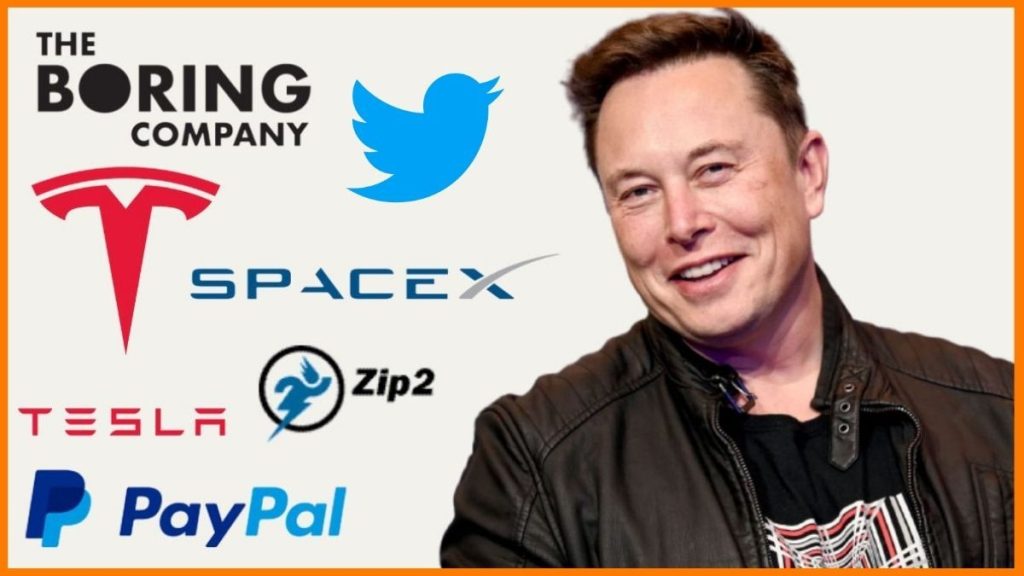
This article delves into the international influence of Elon Musk’s companies, highlighting the reach and impact they have had on the global stage
Elon Musk is a name synonymous with innovation, disruption, and ambition. Over the past two decades, he has founded and led companies that have not only revolutionized their respective industries but have also exerted a significant influence on a global scale. From Tesla’s electric vehicles to SpaceX’s space exploration endeavors, Musk’s ventures have crossed borders, reshaped markets, and inspired millions. This article delves into the international influence of Elon Musk’s companies, highlighting the reach and impact they have had on the global stage.
Tesla: Accelerating the Global Shift to Sustainable Energy
Tesla, the electric vehicle (EV) manufacturer, has become a symbol of the global transition towards sustainable energy. Founded in 2003, Tesla’s mission is to accelerate the world’s transition to sustainable energy. Under Musk’s leadership, Tesla has not only popularized electric vehicles but has also expanded its influence beyond the United States, making a significant impact on global markets.
Tesla’s Global Market Penetration
Tesla’s reach extends far beyond its headquarters in Palo Alto, California. The company has established a strong presence in key international markets, including Europe, China, and other parts of Asia. In Europe, Tesla has built Gigafactory Berlin-Brandenburg, a major manufacturing hub that caters to the growing demand for electric vehicles in the region. The Gigafactory aims to produce hundreds of thousands of vehicles annually, helping to meet the European Union’s stringent emission standards and promoting the adoption of EVs across the continent.
In China, Tesla’s Gigafactory Shanghai has become a critical part of its global strategy. China is the largest market for electric vehicles, and Tesla’s ability to produce cars locally has allowed it to compete effectively with domestic manufacturers. By 2020, Tesla became the best-selling electric vehicle brand in China, a testament to its growing influence in the world’s most populous country.
The Impact of Tesla’s Energy Products
Tesla’s influence is not limited to the automotive industry. The company’s energy products, such as solar panels, Solar Roofs, and Powerwall batteries, have been instrumental in promoting renewable energy adoption worldwide. Tesla’s energy solutions are used in residential, commercial, and utility-scale projects globally, contributing to the reduction of carbon footprints and the reliance on fossil fuels.
For example, Tesla’s Powerwall has been deployed in numerous countries, providing reliable, clean energy storage solutions. In Australia, Tesla’s energy products have played a significant role in stabilizing the country’s electricity grid, particularly through the installation of the world’s largest lithium-ion battery in South Australia. This project not only demonstrated the potential of renewable energy storage but also solidified Tesla’s position as a leader in the global energy market.
Tesla’s Role in Shaping Global Automotive Policy
Tesla’s influence extends to the regulatory sphere as well. The company’s success in the EV market has pressured governments worldwide to adopt more stringent emissions regulations and provide incentives for electric vehicles. Countries such as Norway, the Netherlands, and the United Kingdom have set ambitious targets to phase out internal combustion engine vehicles, partly influenced by the rapid adoption of Tesla’s EVs. This shift in policy is a clear indication of Tesla’s impact on global automotive and environmental standards.
SpaceX: Democratizing Space Exploration
SpaceX, founded in 2002, is another of Elon Musk’s companies that has redefined the space industry by drastically reducing the cost of space travel and advancing the possibility of human colonization of other planets. SpaceX’s influence is truly global, with its innovations and achievements inspiring a new era of space exploration.
Global Collaboration and Partnerships
SpaceX’s international influence is evident in its collaborations with space agencies and governments around the world. The company has secured contracts with NASA, the European Space Agency (ESA), and other national space programs to launch satellites, resupply missions to the International Space Station (ISS), and eventually transport astronauts to space. SpaceX’s Dragon spacecraft and Falcon rockets are now central to many international space missions.
One of SpaceX’s most significant international collaborations is with NASA on the Artemis program, which aims to return humans to the Moon and establish a sustainable presence there. SpaceX’s Starship spacecraft, designed for deep space missions, is poised to play a critical role in these efforts, furthering international cooperation in space exploration.
Starlink: Providing Global Internet Connectivity
SpaceX’s Starlink project, which aims to provide global high-speed internet coverage through a constellation of low-Earth orbit satellites, has the potential to transform internet access worldwide. Starlink is particularly impactful in remote and underserved regions where traditional internet infrastructure is lacking. By providing affordable and reliable internet access, Starlink is poised to bridge the digital divide and foster economic development in developing countries.
Countries across Africa, South America, and Asia stand to benefit significantly from Starlink’s services. For instance, in rural areas of Africa where internet penetration is low, Starlink could enable access to online education, healthcare, and financial services, thereby improving the quality of life for millions of people.
SpaceX’s Influence on Global Space Policy
SpaceX’s achievements have influenced space policy on a global scale. The company’s success in landing and reusing rockets has set a new standard for cost-effective space exploration, prompting other nations and companies to innovate and compete. SpaceX’s ambitions to establish a human presence on Mars have also sparked discussions on international space law and the governance of extraterrestrial territories.
The company’s influence is also seen in the increasing number of countries investing in their space programs. Nations like India, China, and the United Arab Emirates are ramping up their space exploration efforts, motivated by the competitive and collaborative environment that SpaceX has helped to create.
Neuralink: Pioneering Brain-Machine Interfaces with Global Implications
Neuralink, another of Elon Musk’s companies, is working on the frontier of neuroscience and technology by developing brain-machine interfaces (BMIs). Although still in its early stages, Neuralink’s work has the potential to revolutionize healthcare, with global implications.
Global Collaboration in Neuroscience
Neuralink’s work requires collaboration with neuroscientists, engineers, and ethicists from around the world. The development of brain-machine interfaces involves complex challenges that require a multidisciplinary approach. Neuralink’s progress has sparked interest from research institutions and universities globally, leading to collaborations aimed at advancing this cutting-edge technology.
Countries with strong biomedical research sectors, such as Germany, Japan, and Canada, are likely to play key roles in the development and regulation of BMIs. The international collaboration fostered by Neuralink could accelerate the advancement of neurotechnology and lead to breakthroughs that benefit patients worldwide.
Addressing Global Health Challenges
The technology being developed by Neuralink has the potential to address some of the most pressing global health challenges, such as neurodegenerative diseases, paralysis, and mental health disorders. By enabling direct communication between the brain and external devices, Neuralink could provide new treatment options for conditions that currently have limited solutions.
For instance, in countries with aging populations, such as Japan and Italy, Neuralink’s technology could help address the growing prevalence of neurodegenerative diseases like Alzheimer’s and Parkinson’s. The global application of Neuralink’s innovations could lead to significant improvements in the quality of life for millions of people affected by these conditions.
Ethical and Regulatory Considerations
Neuralink’s work also raises important ethical and regulatory questions on a global scale. The development of brain-machine interfaces involves issues related to privacy, consent, and the potential for misuse. As Neuralink continues to advance, international cooperation will be essential to establish ethical guidelines and regulatory frameworks that protect individuals while enabling innovation.
Global discussions on the ethical use of neurotechnology are already underway, with organizations such as the World Health Organization (WHO) and UNESCO playing key roles. Neuralink’s work is likely to be a central focus of these discussions, influencing global policies on the development and application of brain-machine interfaces.
The Boring Company: Redefining Urban Infrastructure Worldwide
Elon Musk’s The Boring Company (TBC) aims to revolutionize urban transportation by creating underground tunnel systems that alleviate traffic congestion and reduce travel time. Although primarily focused on projects in the United States, The Boring Company’s vision has captured the attention of cities around the world.
International Interest in Tunnel Projects
Cities across the globe are exploring the potential of adopting The Boring Company’s tunnel systems to address their own urban transportation challenges. With growing populations and increasing urbanization, many cities face severe traffic congestion and limited space for expanding traditional infrastructure.
Countries like China, India, and the United Arab Emirates have expressed interest in Musk’s tunnel technology. These countries are dealing with rapidly growing urban centers, and The Boring Company’s solutions could provide a scalable and sustainable way to improve urban mobility. By reducing surface-level congestion, these tunnel systems could lead to more livable and efficient cities worldwide.
Environmental Impact
The Boring Company’s projects also have environmental implications that resonate globally. By reducing traffic congestion and promoting the use of electric vehicles within its tunnels, the company’s initiatives could lead to lower carbon emissions in urban areas. This aligns with global efforts to combat climate change and promote sustainable urban development.
As cities around the world strive to meet their climate goals, The Boring Company’s technology could play a significant role in reducing the environmental impact of urban transportation. The adoption of this technology on an international scale could contribute to global sustainability efforts and set a new standard for environmentally friendly urban infrastructure.
Economic Impact of Elon Musk’s Companies on Global Markets
Elon Musk’s companies have not only influenced industries through innovation but also made a significant economic impact on global markets. Tesla’s market valuation, which surpassed $1 trillion in 2021, had a ripple effect across global stock markets. This valuation led to increased investor confidence in the electric vehicle (EV) sector and spurred investments in other EV manufacturers worldwide.
Boosting Stock Markets and Investor Confidence Tesla’s success has prompted a surge in EV-related stocks in global markets. Companies in China, such as NIO and XPeng, have seen their valuations rise as they are often compared to Tesla. Moreover, traditional automakers like Volkswagen and General Motors have had to pivot their strategies towards electric vehicles, leading to a global shift in automotive manufacturing and stock market dynamics. The economic influence of Musk’s companies has extended to suppliers and industries associated with EVs, such as battery production, leading to the creation of new economic ecosystems centered around sustainable technology.
Job Creation and Economic Development Musk’s ventures have created thousands of jobs across different countries. Gigafactories in Germany, China, and the U.S. have spurred local economies, providing employment and stimulating economic growth. These facilities have not only created jobs directly but have also led to the growth of ancillary industries such as logistics, construction, and renewable energy. The global expansion of Musk’s companies has resulted in the revitalization of local economies, particularly in regions that were previously struggling economically.
Cultural Impact and Global Brand Perception of Elon Musk’s Companies
Elon Musk’s companies have had a profound impact on global culture, influencing how people perceive innovation, entrepreneurship, and the future of technology. Musk’s ventures have become cultural icons, representing the intersection of technology and the future.
Tesla as a Status Symbol Globally, owning a Tesla has become synonymous with wealth, environmental consciousness, and forward-thinking. Tesla’s vehicles are often seen as status symbols in markets like Europe, China, and the U.S., where owning a Tesla is associated with prestige and a commitment to sustainability. This cultural impact has extended beyond just the automotive industry, influencing consumer preferences in other sectors as well.
Influence on Pop Culture Elon Musk’s companies, particularly SpaceX, have also become ingrained in global pop culture. SpaceX’s missions, such as the Falcon Heavy launch and the Crew Dragon missions to the International Space Station, have captivated global audiences, inspiring films, TV shows, and literature. Musk’s public persona, often amplified through social media, has made him a global celebrity, and his companies have become symbols of innovation and the future.
The Bottom Line
Elon Musk’s companies, Tesla, SpaceX, Neuralink, and The Boring Company are not just innovative enterprises; they are global forces that are reshaping industries, influencing policies, and addressing some of the world’s most pressing challenges. Through their international reach and impact, these companies are driving significant change, from promoting sustainable energy and space exploration to advancing neurotechnology and redefining urban infrastructure.
As Musk continues to push the boundaries of what is possible, the global influence of his companies is likely to grow even further. Whether it’s through expanding markets, fostering international collaborations, or setting new standards for innovation, Elon Musk’s ventures are poised to leave a lasting legacy on a global scale.
For more in-depth analysis and insights into how visionary entrepreneurs like Elon Musk are shaping the future, visit AdviceScout, where we explore the strategies and innovations that are transforming industries worldwide.
