
The Story of Zip2: Elon Musk’s First Major Venture
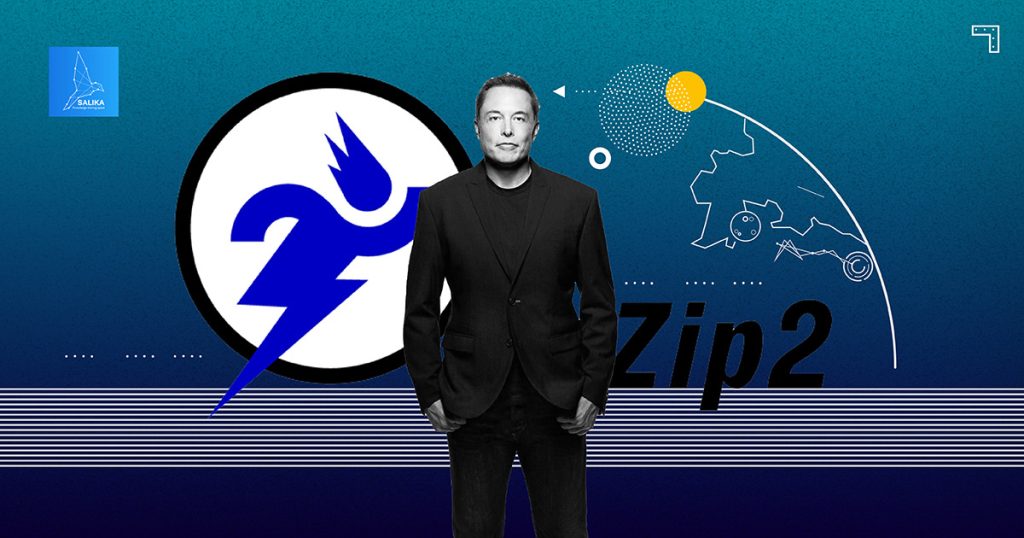
Elon Musk, a name synonymous with innovation and disruption, didn’t start his journey with electric cars or reusable rockets. His first major venture was Zip2, a company that played a crucial role in the early days of the internet. Though not as widely known today, Zip2 laid the foundation for Musk’s future successes and provided a springboard that would launch him into the tech stratosphere. This is the story of Zip2, a venture that turned a young entrepreneur’s vision into reality, setting the stage for a future filled with bold ambitions.
The Birth of Zip2
The mid-1990s were a time of rapid technological advancement and growing excitement around the potential of the internet. Elon Musk, then in his early 20s, was quick to recognize the possibilities that the web offered. After dropping out of a PhD program in applied physics at Stanford University, Musk, along with his brother Kimbal, began brainstorming business ideas that could leverage the burgeoning internet.
The concept that emerged was simple yet revolutionary: create an online platform that combined city guides with mapping software, providing businesses with a way to establish an online presence and consumers with a tool to find local services. This idea might seem basic now, but in 1995, it was ahead of its time.
Elon and Kimbal founded Zip2, with the vision of helping newspapers transition into the digital age by offering them an online directory service. They believed that newspapers, facing declining print revenue, would see value in a service that allowed them to offer an online city guide, complete with business listings, maps, and directions.
Building the Foundation of Zip2
Zip2’s early days were marked by intense work and a shoestring budget. The Musk brothers lived in their office, sleeping on futons and showering at a local YMCA to save money. Their work ethic was relentless. Elon, who had a background in computer programming, took on the task of coding the software himself.
The Zip2 platform was designed to allow businesses to create a presence on the internet at a time when many still did not have their own websites. Newspapers could offer their readers an online city guide, something that was becoming increasingly important as people began turning to the internet for information.
Building the software from scratch was no small feat. The internet was still in its infancy, and creating a robust, user-friendly platform required overcoming significant technical challenges. Despite these hurdles, the Musk brothers were able to launch Zip2 and began offering their service to newspapers.
The Struggle to Secure Funding
One of the biggest challenges Zip2 faced was securing funding. In the mid-90s, venture capital was still a relatively new concept, and investors were cautious about pouring money into internet startups. Despite countless rejections, Elon Musk’s persistence eventually paid off.
Zip2 managed to secure a $3 million investment from Mohr Davidow Ventures, a Silicon Valley venture capital firm. This investment was a turning point for the company, allowing them to hire more staff, expand their operations, and refine their product. However, it also meant that the Musks had to relinquish some control over the company, a lesson in the compromises that often come with venture capital.
Growth and Expansion of Zip2
With new funding, Zip2 quickly began to grow. The company signed contracts with major newspapers like The New York Times and The Chicago Tribune, providing their online city guide software as part of the newspapers’ digital offerings. This partnership was crucial in establishing Zip2 as a significant player in the tech industry.
However, growth brought its own set of challenges. As the company expanded, it became clear that managing a rapidly growing tech startup required more than just technical know-how. Elon Musk, while brilliant and driven, faced difficulties in navigating the complexities of leading a business at scale. Investors and board members started pushing for more experienced leadership to help guide the company through its next phase.
This led to the hiring of experienced executives, which was a difficult adjustment for Musk, who had been deeply involved in all aspects of the business. The decision to bring in new leadership was a pivotal moment, teaching Musk valuable lessons about leadership and the importance of surrounding oneself with experienced professionals.
The Sale of Zip2
By 1999, after four years of relentless work, Zip2 had grown into a profitable company. The internet boom was in full swing, and tech companies were becoming hot commodities. It was during this time that Compaq, a leading computer manufacturer, expressed interest in acquiring Zip2.
The sale was finalized in 1999, with Compaq purchasing Zip2 for nearly $307 million in cash and stock options. This deal was one of the largest of its kind at the time and marked a significant milestone in the tech industry. For Elon Musk, the sale of Zip2 was a life-changing event. He received $22 million from the sale, providing him with the capital to fund his future ventures, including X.com, which would later become PayPal.
The sale of Zip2 also marked a turning point in Musk’s career. It provided him with the financial freedom to pursue more ambitious projects, but it also left him with a sense of unfinished business. While Zip2 had been a success, it wasn’t the transformative company Musk had envisioned. This experience fueled his desire to create something even bigger, leading him to take on the challenges of space travel, electric vehicles, and renewable energy.
Lessons Learned from Zip2
The story of Zip2 is not just about the creation of an online city guide. It’s also about the lessons learned along the way—lessons that would shape Elon Musk’s approach to business in the years to come.
The Importance of Perseverance
Elon Musk’s journey with Zip2 is a testament to the power of perseverance. From securing funding to developing the software, the early days of Zip2 were filled with challenges. However, Musk’s relentless drive and refusal to give up ultimately led to the company’s success. This lesson in perseverance is something that Musk has carried with him throughout his career, from launching SpaceX rockets to scaling Tesla’s production.
Adapting to Change
Another critical lesson from Zip2 was the importance of adaptability. The internet landscape was rapidly evolving in the 1990s, and Musk had to navigate these changes while building Zip2. This ability to adapt and pivot when necessary has been a hallmark of Musk’s career. Whether it’s adjusting Tesla’s production strategies or rethinking SpaceX’s approach to space travel, Musk has shown that adaptability is key to surviving and thriving in the tech industry.
The Value of Leadership and Team Building
Zip2 also taught Musk valuable lessons about leadership. While he was the visionary behind the company, Musk realized that leading a successful business required more than just a great idea. It required building a strong team and sometimes stepping back to let others take the reins. This understanding of the importance of leadership and teamwork has been crucial in Musk’s later ventures, where he has surrounded himself with talented individuals who share his vision.
Financial Management and Strategic Decisions
The sale of Zip2 also highlighted the importance of financial management and strategic decision-making. The acquisition by Compaq not only provided Musk with significant financial resources but also underscored the value of making strategic decisions that align with long-term goals. This understanding of financial strategy has been evident in Musk’s subsequent ventures, where he has carefully managed resources to drive innovation and growth.
Zip2’s Legacy
While Zip2 may not be as well-known as Tesla or SpaceX, its impact on Elon Musk’s career is undeniable. Zip2 was Musk’s first major venture, and it provided him with the experience, financial resources, and confidence to pursue even more ambitious projects. The sale of Zip2 was a defining moment in Musk’s life, marking the end of one chapter and the beginning of another.
Moreover, Zip2’s success helped pave the way for other internet startups in the late 1990s. It demonstrated that the internet could be a viable platform for businesses, and it contributed to the growing excitement and investment in tech startups during that time.
Today, Elon Musk is known for his visionary ideas and groundbreaking companies, but it all started with Zip2. This early venture laid the groundwork for everything that followed, from PayPal to SpaceX to Tesla. The lessons learned during the Zip2 years have stayed with Musk, shaping his approach to innovation, leadership, and business strategy.
Lessons from the Zip2 Experience for Modern Entrepreneurs
Embrace Uncertainty and Adaptability
Navigating Uncharted Territory
One of the key lessons from the Zip2 experience is the importance of embracing uncertainty in business. When Elon Musk and his team started Zip2, the internet was still in its early stages, and there was little precedent for the kind of online city guide they were creating. Yet, they moved forward with confidence, showing that sometimes you must forge ahead without a clear roadmap.
For modern entrepreneurs, this highlights the necessity of being adaptable and resilient. The ability to pivot when faced with unexpected challenges or market changes is critical. Zip2’s journey was filled with uncertainties, but Musk’s willingness to learn, adapt, and iterate on the business model played a significant role in the company’s success.
Learning from Failure
Another aspect of adaptability is learning from failures. The Zip2 experience was not without its setbacks, and Musk faced numerous challenges that tested his resolve. Whether it was technical difficulties, market resistance, or internal struggles, each obstacle served as a learning opportunity.
Modern entrepreneurs can take this as a reminder that failure is not the end but rather a stepping stone to success. Each setback provides valuable insights that can inform future decisions and strategies.
The Power of Vision and Persistence
Staying Focused on Long-Term Goals
Elon Musk’s vision for Zip2 was ambitious, and he maintained a clear focus on the long-term potential of the company, even when immediate results were not promising. His persistence in pursuing this vision, despite the challenges, underscores the importance of staying committed to your goals.
For today’s entrepreneurs, this emphasizes the value of having a strong, clear vision that can guide your decisions and keep you motivated through tough times. Persistence is often the difference between success and failure, and Musk’s experience with Zip2 exemplifies this.
Building Something of Value
Zip2 was successful not just because it was innovative, but because it provided real value to its users. The platform offered a practical solution to a common problem – helping businesses establish an online presence and connecting them with consumers. This focus on creating value was key to the company’s growth.
Modern entrepreneurs should prioritize building products and services that address real needs and provide tangible benefits to their users. When your business genuinely adds value, it’s more likely to thrive in the long term.
The Bottom Line
The story of Zip2 is a fascinating chapter in the life of Elon Musk. It’s a story of ambition, perseverance, and the relentless pursuit of innovation. While Zip2 itself may no longer be around, its legacy lives on in the companies that Musk has built since then. Zip2 was more than just a city guide; it was the first step in a journey that would change the world.
For more insights into the world of entrepreneurship and technology, check out adviceScout.com, where you can find resources and advice on starting and scaling your own ventures.
As Musk continues to push the boundaries of what’s possible, the lessons from Zip2 remain relevant. They remind us that every great journey starts with a single step and that success is built on the foundation of hard work, determination, and the courage to take risks. To learn more about the impact of early tech ventures, consider reading this detailed analysis on tech startups.
So, the next time you think of Elon Musk, remember that before there were rockets and electric cars, there was a young entrepreneur sleeping in his office, coding a future that few could imagine. That future began with Zip2, a company that, while no longer in existence, played a vital role in the story of one of the world’s most extraordinary innovators.
