
Dhirubhai Ambani’s Approach To Ethics and Corporate Governance
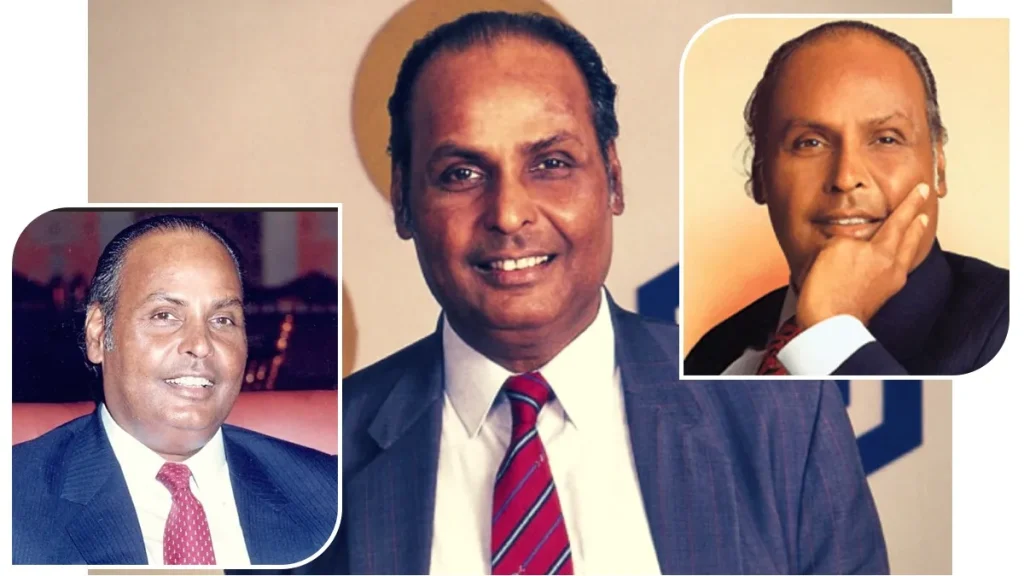
Dhirubhai Ambani, the founder of Reliance Industries, is often remembered as a visionary entrepreneur who transformed the Indian business landscape. His journey from a modest background to creating one of India’s largest conglomerates is both inspiring and controversial. Dhirubhai Ambani’s approach to business ethics and corporate governance is one of the most debated aspects of his career. His methods have been praised for their innovation and effectiveness but also criticized for their unconventionality and, at times, controversial nature. This piece explores the intricacies of Ambani’s approach to business ethics and corporate governance, examining what shaped his approach to corporate governance.
The Early Days: Laying the Foundation
Dhirubhai Ambani’s approach to business ethics and corporate governance was shaped by his early experiences. Born in a modest family, he moved to Yemen at a young age to work in the petrol industry. This early exposure to global markets and business operations laid the foundation for his understanding of commerce. Ambani’s vision was to make high-quality products accessible to the common man, and he believed that to achieve this, innovation and efficiency were crucial.
From the outset, Ambani demonstrated a keen understanding of the Indian market’s unique challenges and opportunities. He recognized that to thrive in a highly regulated economy, businesses needed to be agile and adaptable. This led to his unconventional approach to business, where he often prioritized practical solutions over rigid adherence to established norms.
Dhirubhai Ambani’s Approach to Innovation and Risk-Taking
One of the hallmarks of Ambani’s business philosophy was his willingness to take risks and innovate. He was known for his ability to identify and capitalize on emerging trends, often ahead of his competitors. For instance, Ambani revolutionized the polyester industry in India by introducing new manufacturing techniques and creating economies of scale. His decision to enter the petrochemicals industry, at a time when it was relatively underdeveloped in India, demonstrated his foresight and willingness to invest in long-term growth.
However, Dhirubhai Ambani’s approach was not without controversy. He often operated in a grey area, where the lines between legal and ethical business practices were blurred. Critics argue that his methods sometimes involved exploiting regulatory loopholes and navigating the complex landscape of Indian bureaucracy. Supporters, on the other hand, view these actions as necessary for survival and growth in a challenging business environment.
Corporate Governance: The Ambani Way
Corporate governance refers to the system by which companies are directed and controlled. It involves balancing the interests of a company’s stakeholders, including shareholders, management, customers, suppliers, financiers, government, and the community. Ambani’s approach to corporate governance was unique and often deviated from conventional norms.
Shareholder Value Maximization
One of Ambani’s core principles was maximizing shareholder value. He believed that the primary responsibility of a business was to its shareholders, and he worked tirelessly to ensure that Reliance Industries delivered consistent returns. Ambani’s focus on profitability and growth led to impressive financial results, and the company’s stock became a favorite among investors.
Ambani’s dedication to shareholder value was evident in his aggressive expansion strategies. He was known for his bold investments in new industries and technologies, which often paid off handsomely. However, this focus on growth sometimes led to criticism, as it was perceived to prioritize short-term gains over long-term sustainability.
Transparency and Disclosure
Transparency and disclosure are critical components of good corporate governance. They ensure that all stakeholders have access to accurate and timely information about the company’s operations and financial performance. Ambani’s approach to transparency was complex. On one hand, Reliance Industries was known for its detailed and regular financial disclosures, which provided investors with valuable insights into the company’s performance.
On the other hand, Ambani’s operations were often shrouded in secrecy, particularly regarding his dealings with government officials and regulators. The media frequently speculated about his influence in political circles, and there were allegations of impropriety in securing licenses and permits. While these claims were never conclusively proven, they raised questions about the ethical dimensions of Ambani’s business practices.
Dhirubhai Ambani’s Approach in Navigating the Regulatory Environment
Operating in a highly regulated environment, Ambani had to navigate a complex web of laws and regulations. His approach to regulatory compliance was pragmatic and sometimes controversial. He believed in working within the system, even if it meant bending the rules to achieve his objectives. This pragmatism was evident in his dealings with government officials and regulators, where he was known for his ability to build relationships and negotiate favorable terms.
Ambani’s approach to regulation often drew criticism, as it was perceived to involve a degree of manipulation and influence-peddling. However, his supporters argue that he was merely playing by the rules of the game, adapting to a business environment where regulatory and bureaucratic hurdles were the norm. They contend that Ambani’s actions were driven by the desire to protect his company’s interests and ensure its growth and success.
Social Responsibility and Ethical Considerations
Beyond profit and growth, Ambani also demonstrated a commitment to social responsibility. He believed in the importance of giving back to the community and using business as a force for good. Under his leadership, Reliance Industries invested in numerous social initiatives, including healthcare, education, and rural development.
Ambani’s philanthropic efforts were significant, and they reflected his belief in the role of business in contributing to society’s well-being. He established the Dhirubhai Ambani Foundation, which focused on education, healthcare, and social welfare. The foundation’s initiatives ranged from building schools and hospitals to supporting underprivileged students and providing disaster relief.
However, Ambani’s social responsibility initiatives were sometimes viewed skeptically, with critics arguing that they were motivated by a desire to enhance the company’s public image rather than a genuine commitment to social causes. Despite these criticisms, it is undeniable that Reliance Industries made substantial contributions to the communities in which it operated.
The Legacy of Dhirubhai Ambani’s Business Ethics and Corporate Governance
Dhirubhai Ambani’s approach to business ethics and corporate governance left a lasting impact on Indian business. His methods were unconventional, and his actions often sparked debate. However, his success in building one of India’s largest and most successful conglomerates cannot be denied. Ambani’s legacy is a complex one, characterized by a blend of innovation, risk-taking, pragmatism, and a focus on shareholder value.
Ambani’s influence extended beyond his company. He played a significant role in shaping India’s economic policies and business environment. His success story inspired a new generation of entrepreneurs, who looked to him as a model of how to navigate the challenges of doing business in India. Ambani’s emphasis on scale, efficiency, and innovation became guiding principles for many Indian businesses.
Media Relations and Public Perception
Manipulating Media Narratives
Dhirubhai Ambani was known for his strategic use of media to shape public perception. He understood the power of narrative and utilized media channels to promote a positive image of Reliance Industries. By cultivating relationships with journalists and media houses, Ambani often ensured favorable coverage, which helped in managing public perception during both good and bad times. This manipulation of media narratives was a double-edged sword; while it built a strong brand image, it also led to accusations of controlling information and stifling dissent.
Handling Controversies and Crises
Ambani’s tenure was marked by several controversies and crises, ranging from accusations of monopolistic practices to political lobbying. His approach to handling these issues was often to control the narrative and mitigate damage through proactive media engagement. Ambani’s ability to navigate through crises with minimal reputational damage demonstrated his understanding of the importance of maintaining a strong public image. This aspect of his business ethics highlights a pragmatic approach to crisis management, prioritizing the company’s interests over transparency.
The Role of Political Connections
Leveraging Political Influence
Ambani’s relationship with political figures and his ability to navigate India’s complex political landscape were significant aspects of his business strategy. He was adept at leveraging political connections to gain advantages, such as favorable regulatory conditions and access to resources. While this approach was instrumental in the rapid growth of Reliance Industries, it also raised ethical questions. Critics argued that Ambani’s use of political influence often blurred the lines between business and politics, creating an uneven playing field for competitors.
Ethical Implications of Political Ties
The close ties between Reliance Industries and political entities often led to scrutiny and controversy. Questions arose about the ethical implications of these relationships, particularly concerning fair competition and the integrity of the regulatory process. While leveraging political connections can be a common practice in business, the extent and manner in which Ambani did so drew criticism. The debate over these practices continues, reflecting broader concerns about the ethical responsibilities of corporations in their interactions with government entities.
Impact on Corporate Culture
Fostering a Competitive Environment
Ambani’s leadership style and business ethics significantly influenced the corporate culture at Reliance Industries. He fostered a highly competitive environment, encouraging innovation and risk-taking. This culture attracted top talent and motivated employees to strive for excellence. However, the emphasis on competition and results sometimes led to a high-pressure work environment, with little tolerance for failure. This aspect of corporate culture can be viewed as both a strength and a weakness, depending on one’s perspective on work-life balance and employee well-being.
Encouraging Intrapreneurship
Ambani’s vision extended to nurturing intrapreneurship within the company. He encouraged employees to think like entrepreneurs, fostering a culture of ownership and accountability. This approach empowered employees to innovate and take initiative, contributing to the company’s growth and adaptability. The emphasis on intrapreneurship reflected Ambani’s belief in the value of individual contributions and his commitment to creating an environment where talent could thrive.
Globalization and Ethical Challenges
Navigating Global Markets
As Reliance Industries expanded globally, it faced new ethical challenges related to different regulatory environments and cultural norms. Ambani’s approach to globalization involved adapting strategies to suit local conditions while maintaining the company’s core values. This adaptability was crucial in navigating diverse markets and managing cross-border operations. However, the expansion also raised ethical considerations, such as adherence to local laws and respect for cultural differences.
Global Ethical Standards
Operating in a global context required Reliance Industries to adhere to international ethical standards, such as fair labor practices, environmental sustainability, and anti-corruption measures. Ambani’s commitment to these standards was reflected in the company’s corporate social responsibility initiatives and adherence to global best practices. However, balancing global ethical standards with local business practices posed challenges, particularly in regions with less stringent regulations.
Succession Planning and Legacy
Preparing the Next Generation
Ambani’s approach to succession planning was integral to ensuring the continuity and growth of Reliance Industries. He was deliberate in grooming his sons, Mukesh and Anil Ambani, for leadership roles, instilling in them the values and business acumen required to lead the company. This preparation was crucial in maintaining stability and continuity within the organization, particularly during times of transition.
Impact of Succession on Corporate Governance
The transition of leadership to the next generation brought changes in corporate governance. While Mukesh Ambani continued to expand and innovate, Anil Ambani faced challenges in his ventures, leading to divergent paths for the two brothers. This transition period highlighted the complexities of succession planning in family-owned businesses and the impact on corporate governance and business strategy.
The Broader Ethical Legacy
Setting Precedents in Indian Business
Dhirubhai Ambani set several precedents in Indian business, from pioneering equity culture through public offerings to advocating for market liberalization. His actions and strategies often pushed the boundaries of traditional business practices, setting new standards for innovation and growth. While his methods were sometimes contentious, they contributed to shaping the modern Indian corporate landscape.
Lessons for Future Business Leaders
Dhirubhhai Ambani’s approach to ethics and corporate governance offers valuable lessons for future business leaders. His emphasis on vision, innovation, and adaptability remains relevant in today’s dynamic business environment. However, his legacy also serves as a cautionary tale about the ethical complexities of business practices, particularly in areas like political influence and regulatory compliance. Future leaders can learn from both the strengths and criticisms of Ambani’s approach, understanding the importance of balancing ambition with ethical considerations.
The Bottom Line
Dhirubhai Ambani’s approach to ethics and corporate governance was as complex as the man himself. He was a visionary leader who revolutionized Indian business, but his methods were often unconventional and controversial. Ambani’s focus on shareholder value, willingness to take risks, and pragmatic approach to regulatory compliance set him apart from his peers. While his actions sometimes blurred the lines between ethical and unethical behavior, his impact on Indian business and society was profound.
Ambani’s legacy continues to shape Reliance Industries and the broader Indian business landscape. His innovative spirit, strategic vision, and commitment to growth and profitability remain guiding principles for the company. As future generations of business leaders draw lessons from his life and career, they must also grapple with the ethical complexities of his approach. In the end, Dhirubhai Ambani’s story is a testament to the power of ambition, innovation, and determination in the face of adversity.
