
Dhirubhai Ambani’s Impact On India’s Stock Market: Factual Analyses
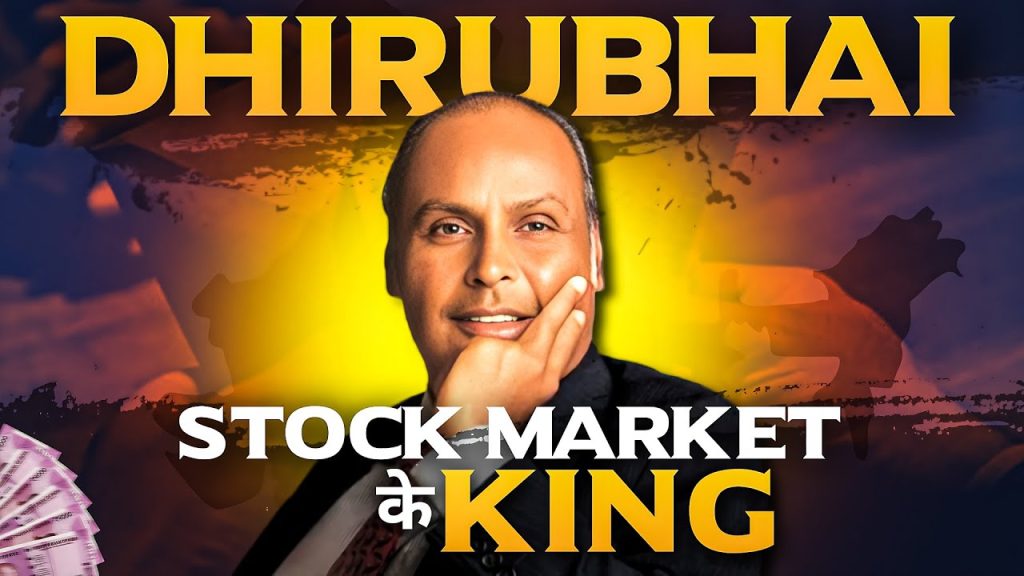
Dhirubhai Ambani, the founder of Reliance Industries, is a name synonymous with innovation and disruption in Indian business history. His journey from a modest background to becoming a titan of industry is legendary. Yet, beyond building a business empire, Ambani’s influence on the Indian stock market is profound and far-reaching. His strategies, vision, and bold moves reshaped the landscape of India’s financial markets, paving the way for new standards and practices. This analysis delves into Dhirubhai Ambani’s impact on India and how he revolutionized the Indian stock market, exploring his methods, achievements, and the lasting legacy of his actions.
Early Ventures and Stock Market Entry
Dhirubhai Ambani’s entry into the stock market was not merely a business move; it was a calculated strategy. He understood the power of capital markets and leveraged them to fuel Reliance’s growth. In the 1970s, Reliance Textiles made its debut on the Bombay Stock Exchange (BSE). This move was significant, as it marked the beginning of a new era where companies could raise substantial capital from the public, breaking away from the dependency on traditional bank loans.
Ambani’s approach was novel for its time. He focused on creating wealth for shareholders, a concept that was relatively new in India. By offering lucrative returns and dividends, he built a loyal base of investors. His charismatic communication and transparency in business operations further strengthened investor trust.
Innovative Fundraising Techniques
Dhirubhai Ambani’s impact extended to raising funds for different reasons. One of his notable contributions was his innovative fundraising techniques. He was a pioneer in using convertible debentures, a financial instrument that allowed investors to convert their debt holdings into equity shares. This not only helped Reliance raise capital without immediate dilution of equity but also aligned the interests of debenture holders with the company’s growth prospects.
Moreover, Ambani’s reliance on the equity market for funding was a departure from the norm. He believed in the power of the stock market as a democratic platform for wealth creation. By making strategic use of public offerings, rights issues, and other capital market instruments, he significantly expanded Reliance’s financial base. This approach democratized investment, allowing small investors to participate in the company’s growth story.
Aggressive Expansion and Market Confidence
Dhirubhai Ambani’s impact in aggressive expansion plans of India’s stock market was pivotal in instilling confidence in the stock market. During the 1980s and 1990s, Reliance diversified into petrochemicals, refining, telecommunications, and retail. Each expansion phase was accompanied by meticulous planning and execution, ensuring consistent growth.
Ambani’s clear communication strategy played a crucial role in maintaining investor confidence. He regularly updated shareholders on company performance and future plans through annual general meetings (AGMs) that became major events. These meetings were not just formalities but platforms where Ambani articulated his vision, addressing shareholder concerns and sharing insights into the company’s strategies.
This transparency and consistent delivery on promises built immense trust. Investors were assured of Ambani’s ability to navigate challenges and deliver results, leading to sustained confidence in Reliance’s stock.
The Equity Cult and Retail Investors
Dhirubhai Ambani is often credited with creating the “equity cult” in India. Before Reliance, the stock market was largely the domain of institutional investors and wealthy individuals. Ambani changed this by actively engaging with retail investors. He understood the power of the masses and tapped into it effectively.
Through extensive marketing campaigns, investor education, and outreach programs, Ambani demystified the stock market for ordinary people. He emphasized the benefits of long-term investment and wealth creation through equity ownership. This approach broadened the investor base and brought a new demographic into the stock market.
Reliance’s public offerings were massively oversubscribed, a testament to the trust and enthusiasm Ambani generated among retail investors. He made stock market investment accessible and attractive, laying the foundation for a more inclusive financial market.
Handling Controversies and Regulatory Challenges
Ambani’s journey was not without controversies and challenges. His aggressive tactics often attracted scrutiny from regulators and competitors. Allegations of market manipulation, insider trading, and violations of corporate governance norms were not uncommon. However, Ambani’s resilience and ability to navigate these challenges were remarkable.
One of the most notable controversies was the Reliance-Fairgrowth case in the early 1990s. The allegations involved manipulation of stock prices and misuse of funds. Ambani faced intense scrutiny from regulatory bodies and media. Despite these challenges, Reliance emerged stronger, largely due to Ambani’s crisis management skills and unwavering focus on long-term goals.
Ambani’s ability to adapt to regulatory changes and maintain investor confidence was crucial. He ensured that Reliance complied with evolving regulations, reinforcing the company’s credibility and stability in the stock market.
Dhirubhai Ambani’s Impact on Technological Advancements and Market Modernization
Dhirubhai Ambani was a visionary who foresaw the importance of technology in business operations and the stock market. He was instrumental in modernizing Reliance’s operations, incorporating state-of-the-art technology in production and communication.
Ambani’s embrace of technology extended to financial markets as well. He advocated for electronic trading and supported initiatives to modernize the stock market infrastructure. This forward-thinking approach was vital in transforming the Indian stock market into a more efficient and transparent platform.
Reliance’s use of technology in investor relations was pioneering. The company leveraged digital platforms for communication, ensuring timely and accurate information dissemination. This technological integration enhanced transparency and trust, further strengthening investor confidence.
Impact on Market Practices and Corporate Governance
Dhirubhai Ambani’s influence extended beyond Reliance Industries. His business practices set new benchmarks for the entire market. Ambani’s emphasis on transparency, shareholder value, and strategic communication influenced corporate governance norms in India.
He introduced practices like quarterly results disclosures, regular AGMs with active shareholder participation, and detailed financial reporting. These practices became standard expectations from listed companies, elevating the overall corporate governance standards in India.
Moreover, Ambani’s focus on creating shareholder wealth through consistent dividends and capital appreciation became a model for other companies. His approach highlighted the importance of aligning management interests with those of shareholders, fostering a more investor-friendly environment.
The Legacy and Continuing Influence of Dhirubhai Ambani’s Impact
Dhirubhai Ambani’s impact in the stock market continues to resonate. Under the leadership of his sons, Mukesh and Anil Ambani, Reliance Industries has further expanded and diversified, maintaining its position as a dominant player in the market.
Mukesh Ambani’s ventures into telecommunications (Reliance Jio), retail, and digital services have mirrored his father’s visionary approach. Reliance Jio’s disruptive entry into the telecom market, with its affordable data services, not only transformed the telecom industry but also had significant ripple effects on the stock market. The success of Jio led to a surge in Reliance’s stock price, reflecting investor confidence in the company’s innovative strategies.
The principles and practices established by Dhirubhai Ambani continue to guide Reliance’s operations. The company’s commitment to transparency, technological advancement, and shareholder value remains steadfast, ensuring sustained trust and confidence in the stock market.
Specific Examples of Market Innovations
Convertible Debentures and Market Innovations
One of Ambani’s key innovations was the introduction of convertible debentures. These instruments allowed investors to convert their debt holdings into equity shares. This not only helped Reliance raise capital but also aligned the interests of debenture holders with the company’s growth prospects. The success of this instrument set a precedent for other companies in India, showcasing a new way to leverage capital markets.
Another innovation was the use of non-convertible debentures (NCDs) with attractive interest rates, providing a steady income stream for investors. These NCDs were listed on stock exchanges, providing liquidity and an alternative investment avenue for retail investors.
Influence on Market Sentiment and Investor Behavior
Creating a Retail Investor Base
Ambani’s efforts to engage retail investors were groundbreaking. His public offerings were not just financial events but also media spectacles. By offering shares at affordable prices and ensuring that the subscription process was accessible, he democratized stock market investments.
He also understood the power of media in shaping investor sentiment. Through strategic use of advertising and public relations, he communicated Reliance’s achievements and potential, building a strong brand that inspired confidence among small investors.
Cultivating Investor Loyalty
Reliance’s regular and generous dividends were another way Ambani cultivated loyalty among investors. Shareholders could count on a steady return on their investments, which helped to build trust and a positive reputation for the company. This reliability turned many small investors into lifelong stakeholders in Reliance’s growth journey.
Comparison with Other Business Leaders
Contrasting Approaches
Comparing Ambani’s strategies with those of other contemporaries, such as Tata Group’s Ratan Tata or Infosys’ Narayana Murthy, can provide deeper insights. While Tata focused on ethical governance and sustainability, and Murthy emphasized transparency and employee ownership, Ambani’s focus was on aggressive expansion and innovative fundraising.
This comparison can highlight the diverse approaches to business and stock market engagement among India’s top business leaders, showcasing the unique elements of Ambani’s strategy that made Reliance a standout success.
Broader Economic Impact
Employment Generation
Reliance’s expansion into various sectors created millions of jobs, contributing significantly to the Indian economy. The company’s growth spurred demand in ancillary industries, leading to a multiplier effect in employment generation.
Boosting Market Capitalization
Reliance Industries’ rapid growth and increasing market capitalization had a positive impact on the overall Indian stock market. As Reliance’s stock became a major component of market indices like the BSE Sensex and NSE Nifty, its performance influenced the broader market sentiment and investor confidence.
Regulatory and Policy Influence
Navigating Policy Changes
Ambani’s ability to navigate the regulatory environment and influence policy changes was another significant aspect of his impact. His lobbying efforts and strategic alliances with policymakers helped shape favorable business conditions for Reliance and set precedents for regulatory practices in the industry.
The Role of Corporate Social Responsibility (CSR)
Early CSR Efforts
Even before CSR became a mandatory practice in India, Ambani emphasized giving back to society. His philanthropic initiatives in education, healthcare, and rural development showcased his commitment to societal growth, which in turn enhanced the company’s public image and investor confidence.
Technological Adoption in Financial Practices
Digital Transformation
Ambani’s foresight in adopting digital technologies for business operations extended to financial practices. Reliance was one of the early adopters of computerized accounting systems, electronic trading platforms, and online investor relations portals, setting a trend for other companies.
Anecdotes and Personal Insights
Personal Leadership Style
Incorporating anecdotes and personal insights about Ambani’s leadership style can add a human touch to the narrative. Stories of his interactions with employees, his hands-on approach to problem-solving, and his ability to inspire and motivate can provide a deeper understanding of the man behind the success.
Case Studies of Key Events
The Initial Public Offering (IPO) of Reliance Textiles
In 1977, Reliance Textiles went public, and the IPO was a turning point. The meticulous planning and marketing strategies Ambani employed can be detailed. The overwhelming response from investors, the subscription rates, and the immediate impact on the stock market could be analyzed to show how Ambani set a new precedent for IPOs in India.
The Reliance-Fairgrowth Controversy
A detailed case study of the Reliance-Fairgrowth case can illustrate how Ambani handled severe allegations of market manipulation. This section can include timelines, the regulatory response, media coverage, and the strategies Ambani used to steer the company through turbulent times. This will demonstrate his crisis management skills and the resilience of Reliance Industries.
The Petrochemical Revolution
When Reliance entered the petrochemical sector, it marked a significant shift. Detailed insights into how Reliance raised funds for the Hazira petrochemical plant, the impact of this venture on Reliance’s stock prices, and the broader implications for the Indian stock market can provide a deeper understanding of Ambani’s strategic brilliance.
The Bottom Line
Dhirubhai Ambani’s impact on the Indian stock market is profound and multifaceted. His innovative fundraising techniques, strategic expansion, and commitment to transparency revolutionized market practices. By democratizing investment and fostering an equity culture, he transformed the financial landscape of India.
Ambani’s journey was marked by challenges and controversies, yet his resilience and vision ensured sustained growth and investor confidence. His legacy continues to influence market practices and corporate governance, setting benchmarks for transparency, efficiency, and shareholder value.
Dhirubhai Ambani’s story is not just about building a business empire; it is about redefining the possibilities of the stock market as a platform for inclusive growth and wealth creation. His visionary approach and enduring principles remain a guiding light for future generations of entrepreneurs and investors.
