
Bill Gates’ Green Investments and Initiatives
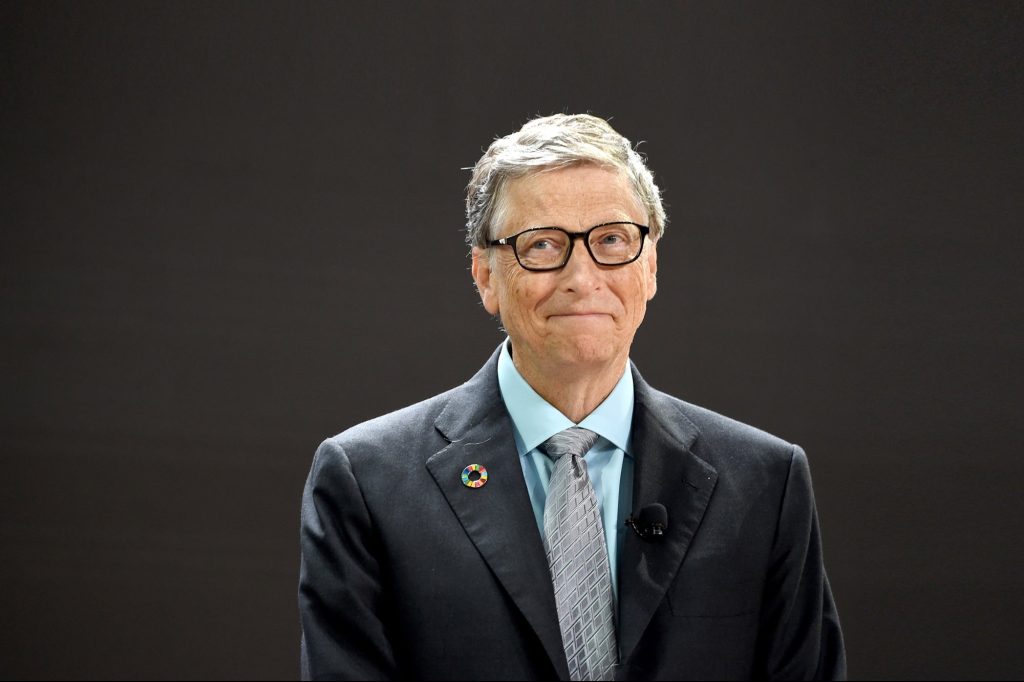
Bill Gates, co-founder of Microsoft and one of the world’s most influential philanthropists, has long been a prominent figure in technology and innovation. However, over the past two decades, Gates has also become a leading advocate for sustainable development and environmental conservation. His vision for a sustainable future is deeply rooted in the belief that technological innovation, strategic investments, and global collaboration can mitigate the effects of climate change and pave the way for a greener planet. In this article, we will explore Bill Gates’ green investments and initiatives, examining how his efforts are shaping the global sustainability landscape. We will also discuss the significance of these initiatives in the broader context of global environmental challenges and their role in advancing a sustainable future.
The Roots of Gates’ Environmental Advocacy
Bill Gates’ journey into environmental advocacy did not begin overnight. His engagement with sustainability issues has deep roots, tracing back to his work with the Bill and Melinda Gates Foundation, which he co-founded with his then-wife Melinda Gates in 2000. The foundation, primarily focused on global health, education, and poverty alleviation, gave Gates an intimate understanding of how environmental issues, such as climate change, disproportionately affect the world’s poorest and most vulnerable populations.
Over time, Gates recognized that addressing the root causes of poverty and health disparities necessitated addressing climate change. For instance, increasing temperatures, rising sea levels, and extreme weather events disproportionately affect developing nations, exacerbating food and water insecurity, displacing communities, and creating conditions ripe for the spread of diseases. This realization was a turning point for Gates, leading him to integrate climate change mitigation into his broader mission of improving global health and reducing poverty.
In his book How to Avoid a Climate Disaster, published in 2021, Gates articulated a comprehensive strategy for reducing global carbon emissions to net-zero by 2050. The book outlines the scientific and technological innovations needed to achieve this goal, emphasizing the critical role of policy and finance in driving these innovations. Gates’ vision is not merely aspirational; it is backed by a detailed and pragmatic plan that calls for unprecedented levels of global cooperation and investment.
Investing in a Green Future: Breakthrough Energy Ventures
One of the most significant aspects of Bill Gates’ approach to sustainability is his focus on green investments. Gates has repeatedly emphasized the importance of innovation in the fight against climate change, arguing that existing technologies alone are insufficient to achieve the deep emissions cuts required. This belief in the power of innovation led him to establish Breakthrough Energy Ventures (BEV) in 2015, a $1 billion fund dedicated to identifying and supporting next-generation technologies that can significantly reduce greenhouse gas emissions.
Breakthrough Energy Ventures
Breakthrough Energy Ventures has a unique investment philosophy, emphasizing long-term, high-risk, high-reward projects. Traditional venture capital tends to shy away from investments with long development timelines or uncertain regulatory environments, but BEV is specifically designed to fill this gap. Gates and his fellow investors understand that many technologies needed to combat climate change are still in their infancy and may require decades to develop and scale. As such, BEV provides the patient capital necessary to bring these innovations to market.
The fund’s investment strategy is centered around five critical areas, known as the “Five Grand Challenges”: electricity, transportation, agriculture, manufacturing, and buildings. These sectors are responsible for the vast majority of global carbon emissions, and BEV’s goal is to drive innovation in each of these areas to achieve net-zero emissions.
BEV investments
One of the most notable investments made by BEV is in TerraPower, a company co-founded by Gates that is developing advanced nuclear reactors. TerraPower’s reactors are designed to use depleted uranium as fuel, making them safer and more sustainable than traditional nuclear reactors. This technology has the potential to provide a significant source of clean, reliable energy, addressing one of the biggest challenges in the transition to a low-carbon economy: the need for consistent and scalable energy sources.
Another key investment is in CarbonCure Technologies, a company that has developed a method to inject captured carbon dioxide into concrete during production. This process not only reduces the carbon footprint of concrete, a material responsible for around 8% of global emissions but also enhances its strength. By turning buildings into carbon sinks, CarbonCure’s technology offers a practical and scalable solution to one of the most difficult decarbonization challenges: emissions from industrial processes.
BEV’s portfolio includes companies working on cutting-edge battery technologies, such as QuantumScape. QuantumScape is developing solid-state batteries that promise to revolutionize the electric vehicle (EV) industry. These batteries offer several advantages over traditional lithium-ion batteries, including greater energy density, faster charging times, and improved safety. By addressing the limitations of current battery technology, QuantumScape’s innovations could accelerate the adoption of electric vehicles, significantly reducing emissions from the transportation sector.
Gates’ Broader Investment Strategy
While Breakthrough Energy Ventures represents a significant component of Gates’ green investment strategy, it is not the only one. Gates has also invested in a wide range of other ventures to advance renewable energy, improve agricultural sustainability, and promote environmental conservation.
One area where Gates has made substantial investments is in the renewable energy sector. Recognizing that solar and wind power are key to decarbonizing the global energy system, Gates has supported companies in developing innovative solutions to increase the efficiency and scalability of these technologies. For example, he has invested in Heliogen, a company that uses advanced computer vision software to concentrate sunlight and generate extreme heat for industrial processes. This technology could provide a renewable alternative to fossil fuels in industries such as cement and steel production, which are among the most challenging to decarbonize.
Gates’ interest in sustainable agriculture is another important aspect of his investment strategy. The agricultural sector is a significant source of greenhouse gas emissions, primarily due to deforestation, methane emissions from livestock, and the use of synthetic fertilizers. Gates has invested in companies like Impossible Foods and Beyond Meat, developing plant-based meat alternatives. These products have a much lower environmental footprint than traditional meat, requiring less land, water, and energy to produce while also emitting fewer greenhouse gases. By promoting plant-based diets, Gates hopes to reduce the environmental impact of food production and help mitigate climate change.
In addition to his investments in renewable energy and sustainable agriculture, Gates has also supported efforts to protect and restore natural ecosystems. He has invested in The Nature Conservancy, a global environmental organization that works to conserve lands and waters on which all life depends. The organization’s work includes reforestation projects, marine conservation, and sustainable land management practices, all critical in sequestering carbon and preserving biodiversity.
Gates’ Initiatives
Beyond his investments, Bill Gates has launched and supported several initiatives to drive global action on climate change and sustainability. Bill Gates’ green investments are designed to bring together governments, businesses, and non-profit organizations to address the complex challenges of climate change and accelerate the transition to a sustainable economy.
The Global Commission on Adaptation
In 2018, Gates co-chaired the Global Commission on Adaptation (GCA) alongside former UN Secretary-General Ban Ki-moon and World Bank CEO Kristalina Georgieva. The GCA was established to catalyze a global movement to accelerate climate adaptation solutions and to increase the resilience of communities most vulnerable to the impacts of climate change.
The GCA focuses on three key areas: food security, water resources, and infrastructure. The commission advocates for integrating climate adaptation measures into development planning and investment decisions, emphasizing the importance of building resilience in the face of climate-related risks. The GCA also works to mobilize financial resources for adaptation efforts, recognizing that significant funding is needed to protect vulnerable populations from the effects of climate change.
Through the GCA, Gates has championed the need for innovation in climate adaptation, calling for the development of new technologies and approaches that can help communities withstand the impacts of a changing climate. The commission’s work has led to the launch of several initiatives, including the Adaptation Action Agenda, which outlines a roadmap for accelerating global adaptation efforts.
The Gates Foundation’s Climate Initiatives
The Bill and Melinda Gates Foundation has also played a pivotal role in advancing climate-related initiatives. While the foundation’s primary focus has traditionally been on global health and poverty alleviation, it has increasingly recognized the intersection between these issues and climate change. As a result, the foundation has launched several initiatives to address the climate crisis, particularly in its impact on the world’s poorest and most vulnerable populations.
One of Bill Gates’ green investments is the Agricultural Development program, which seeks to improve food security and livelihoods in developing countries by promoting sustainable agricultural practices. The program supports developing and disseminating climate-smart technologies, such as drought-resistant crops and precision farming techniques, which can help farmers adapt to changing climatic conditions and reduce their environmental impact.
Another key initiative under Bill Gates’ green investments is the Clean Energy Innovation program, which aims to accelerate the development and deployment of clean energy technologies in low- and middle-income countries. The program focuses on expanding access to affordable and reliable energy while also reducing greenhouse gas emissions. Through this initiative, the Gates Foundation is working to ensure that the benefits of the clean energy transition are accessible to all, particularly those in the developing world who are most affected by climate change.
The Global Impact of Gates’ Vision for Sustainability
Bill Gates’ vision for a sustainable future extends beyond his investments and initiatives; it is about creating a global movement that prioritizes sustainability and addresses the root causes of climate change. His efforts have profoundly impacted the global sustainability landscape, influencing the actions of governments, businesses, and individuals alike.
Gates’ work has helped to elevate the importance of climate change on the global agenda, bringing attention to the need for urgent and coordinated action. Through his advocacy, he has pushed for greater investment in clean energy research and development, highlighting the critical role that innovation must play in the fight against climate change. His emphasis on the need for policy changes, such as carbon pricing and regulations to limit emissions, has also contributed to the growing recognition that government intervention is necessary to drive the transition to a sustainable economy.
Moreover, Gates’ investments have provided crucial funding for the development of new technologies that have the potential to transform the way we produce and consume energy. By supporting high-risk, high-reward ventures, Gates has helped catalyze innovation in areas essential to achieving a net-zero future. His investments in sustainable agriculture, electric vehicles, and renewable energy have advanced these industries and demonstrated the economic viability of green technologies.
Gates’ initiatives, such as the Global Commission on Adaptation and the Gates Foundation’s climate programs, have also played a critical role in building resilience to the impacts of climate change, particularly in vulnerable communities. These efforts have highlighted the importance of adaptation alongside mitigation, ensuring that the most at-risk populations are equipped to cope with the challenges of a changing climate.
The Road Ahead: Challenges and Opportunities Facing Bill Gates’ Green Investments
While Bill Gates’ vision for a sustainable future is ambitious, it has challenges. Achieving net-zero emissions by 2050 will require unprecedented levels of global cooperation and investment and significant technological breakthroughs. Moreover, the transition to a sustainable economy must be managed in a fair and inclusive way, ensuring that all share the benefits of this transition.
Challenge #1
One of the key challenges in the fight against climate change is the need to balance economic development with environmental sustainability. Many developing countries are still in the early stages of industrialization and face significant challenges in providing basic services such as electricity, clean water, and healthcare to their populations. For these countries, the transition to a low-carbon economy must be managed in a way that does not hinder their development goals.
In this context, Gates’ emphasis on innovation and technology is particularly important. By developing and deploying new technologies that are both sustainable and affordable, it is possible to support economic development while also reducing emissions. For example, the development of low-cost renewable energy technologies can provide a sustainable alternative to fossil fuels in developing countries, helping to meet their energy needs while also reducing their carbon footprint.
Challenge #2
Another challenge is the need for greater political will and public support for climate action. While there is broad consensus among scientists and policymakers that urgent action is needed to address climate change, progress has been slow, and many countries have been reluctant to commit to the necessary emissions reductions. Building public support for climate action and creating the political conditions for meaningful change will be critical to achieving Gates’ vision for a sustainable future.
Despite these challenges, there are also significant opportunities. The transition to a sustainable economy offers the potential for economic growth, job creation, and improved quality of life for people worldwide. Investing in clean energy, sustainable agriculture, and resilient infrastructure can create a more prosperous and equitable world while addressing the existential threat of climate change.
The Bottom Line
Bill Gates’ vision for a sustainable future is both ambitious and achievable. Through his investments and initiatives, he has demonstrated that it is possible to make significant progress in the fight against climate change by harnessing the power of innovation, strategic investment, and global collaboration. Gates’ work serves as a powerful reminder that the challenges of climate change are not insurmountable and that with the right approach, we can create a greener and more sustainable world for future generations. For more insights on sustainable investments and global philanthropy, visit AdviceScout.
If you are interested in learning more about the impact of technological innovations on sustainability, you might also find this resource helpful: The Effects of technological innovation on sustainable development and environmental degradation: Evidence from China
