
Why Businesses Are Turning to 5G Routers for Faster Connectivity and Lower Latency
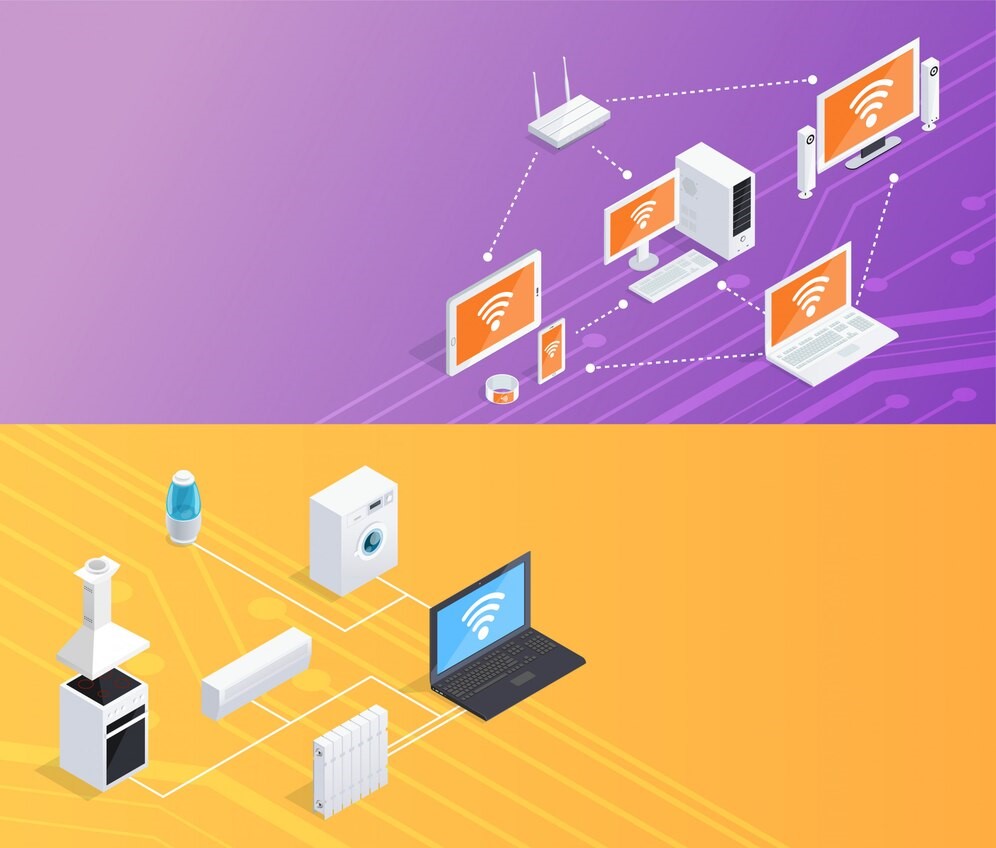
In this article, we’ll explore how businesses are turning to 5G routers to enhance connectivity and reduce latency, helping them thrive in a digital-first world.
Today, technology is playing a major role in the way businesses are set up and how they should operate. From a small startup to an established enterprise, you need to have fast, reliable internet to keep up with customer demands, managing a distributed workforce and competing.
But with an ever-increasing reliance on digital tools and platforms, businesses need more than just basic connectivity. Enter 5G technology, which promises faster speeds and lower latency, offering businesses a game-changing advantage. While the world of tech can seem overwhelming, particularly for those new to the digital sphere, understanding how 5G works and why it matters for businesses can be simple and even a little exciting.
In this article, we’ll explore how businesses are turning to 5G routers to enhance connectivity and reduce latency, helping them thrive in a digital-first world. We’ll also take a moment to consider how mindfulness, something you may already practice in your personal life, can help guide businesses in their technological decisions.
Understanding 5G and Its Impact on Business Connectivity
Before diving into why businesses are opting for 5G routers, let’s take a step back and understand what 5G is and why it’s such a big deal for connectivity.
- What is 5G? 5G, short for “fifth generation,” is the latest advancement in wireless network technology. It represents a major leap forward from 4G (LTE), offering faster download speeds, reduced latency, and improved network efficiency.
- Key Differences Between 4G and 5G:
- Speed: 5G can deliver speeds up to 100 times faster than 4G. This means faster download and upload speeds, making business operations smoother and more efficient.
- Latency: Latency refers to the time it takes for data to travel from the source to the destination. With 5G, latency is significantly reduced, often to just 1 millisecond (compared to 50-100 milliseconds for 4G). This is a critical factor for businesses that rely on real-time communication and cloud-based tools.
- Bandwidth: 5G offers greater bandwidth, allowing more devices to be connected at once without a drop in speed or reliability.
- Why It Matters: For businesses, these improvements mean a more responsive, efficient, and scalable network infrastructure, something crucial for staying competitive in today’s digital age.
Why Connectivity and Latency Matter to Businesses
Now that we’ve covered the basics of 5G, let’s look at why it matters so much to modern businesses. In today’s world, efficient communication and fast access to information can make or break a company.
Why Connectivity is Crucial:
Remote Work: As remote work continues to rise, businesses need reliable internet to ensure employees can access cloud-based platforms, participate in video calls, and share large files seamlessly.
Cloud Services: More businesses are shifting to cloud-based software for project management, storage, and collaboration. Fast, reliable internet is required to prevent delays or slow loading times, which can hinder productivity.
Communication: Whether it’s through email, messaging apps, or video calls, communication needs to be fast and uninterrupted. With 5G, businesses can ensure that their communication platforms run smoothly at all times, which is essential for both internal and customer-facing interactions.
Why Latency is Key:
Real-Time Applications: Low latency is particularly important for businesses that use applications in real time, such as video conferencing tools or live customer service chatbots. In industries like finance, healthcare, and e-commerce, even a slight delay can disrupt operations or lead to poor customer experiences.
Gaming and Virtual Reality: Industries like gaming, virtual reality (VR), and augmented reality (AR) require ultra-low latency to provide smooth, immersive experiences for users. Businesses in these sectors are particularly keen on the speed and responsiveness 5G offers.
The Rise of 5G Routers in Business Environments
Now that we’ve discussed why 5G technology is beneficial for businesses, let’s explore how businesses are specifically turning to 5G routers to harness these advantages.
What is a 5G Router?
A 5G router allows businesses to access the internet via the 5G network instead of traditional wired connections like fiber-optic broadband. These routers are compatible with 5G-enabled devices, providing faster internet speeds and reduced latency. Beyond just providing wireless connectivity, 5G routers also perform essential functions in network routing and switching, directing traffic efficiently between devices and the wider network to ensure smooth communication and optimal performance.
The effective deployment and performance of these 5G networks heavily rely on robust outside plant engineering, which involves the meticulous design and construction of the physical infrastructure that supports telecommunications services. This includes everything from fiber optics to antenna placement, ensuring seamless integration with 5G technology.
Why 5G Routers Are Gaining Popularity:
- Flexibility: Unlike traditional broadband connections, which are tied to physical locations, 5G routers offer a portable, flexible solution. Businesses can easily set up 5G routers in various locations without relying on complex installations, making them perfect for companies with multiple offices or those that need to quickly set up temporary workspaces.
- Scalability: 5G routers can support high-speed internet for multiple devices simultaneously, which is essential for businesses that are growing quickly or have a large number of employees working remotely.
- Business Continuity: 5G routers also serve as a backup option for businesses that rely heavily on internet connectivity. In the event of an outage with the primary network, a 5G router can keep operations running smoothly, ensuring business continuity.
LoRaWAN Integration: While 5G is often the go-to choice for high-speed, low-latency applications, many businesses are also integrating LoRaWAN (Long Range Wide Area Network) technology to manage IoT devices and other low-power, wide-area connectivity needs. LoRaWAN complements 5G by offering a reliable solution for devices that need to send small amounts of data over long distances without draining power.
LoRaWAN Sensors: These sensors, which are designed for long-range data transmission, are an essential part of the LoRaWAN ecosystem. LoRaWAN sensors are used in industries such as agriculture, logistics, and manufacturing to track variables like temperature, humidity, air quality, and motion over great distances. By integrating LoRaWAN sensors with 5G routers, businesses can monitor and manage vast networks of devices in real-time while ensuring low power consumption.
LoRaWAN Gateways: To make use of LoRaWAN sensors, businesses need LoRaWAN gateways devices that receive the data from the sensors and send it to the central network or cloud application for processing. LoRaWAN gateways are strategically placed to extend coverage across large areas and are ideal for industries that require connectivity over wide geographical regions, such as mining or agriculture.
Key Benefits of 5G Routers for Businesses
Businesses are increasingly turning to 5G routers to support a range of critical functions. Here are some of the key benefits that come with using 5G technology in your business:
- Faster Connectivity: 5G offers speeds that can reach up to 10 Gbps, allowing businesses to download and upload files much faster. This speed boost is invaluable for companies that deal with large files, like media production or data analytics, and for businesses that rely on cloud-based tools for collaboration.
- Lower Latency: As mentioned earlier, 5G’s low latency often as low as 1 millisecond—allows businesses to have near-instant communication. Whether it’s during a video call, online meeting, or customer service interaction, minimal delays improve the overall experience for both employees and clients.
- Improved Remote Work Experience: With many businesses adopting hybrid work models, remote workers rely heavily on strong internet connections for day-to-day operations. 5G routers provide the high-speed, low-latency connectivity necessary for smooth video conferencing, fast data transfers, and seamless access to cloud applications.
- Better Customer Experience: 5G routers help businesses maintain a higher level of service, ensuring that customers can interact with the brand without disruptions. Whether it’s accessing an online store, participating in a live chat, or getting immediate support, a fast, reliable network ensures that customers have a positive experience every time.
- Future-Proofing Your Business: By investing in 5G technology today, businesses are preparing themselves for the future. 5G supports next-generation technologies such as the Internet of Things (IoT), augmented reality (AR), and artificial intelligence tools that will be increasingly essential for businesses over the next decade.
How 5G Routers Shape the Future of Business Technology
Looking ahead, it’s clear that 5G technology will continue to play a pivotal role in shaping the future of business operations. Here are some ways 5G routers are set to revolutionize industries:
- Automation and AI: As businesses implement more automation and AI-driven solutions, 5G will support real-time data processing and rapid communication between devices, enabling faster decision-making and smarter workflows.
- Smart Cities and IoT: 5G’s higher bandwidth and lower latency are ideal for managing the vast network of devices used in smart cities and IoT applications, ranging from smart sensors to connected vehicles. The synergy between 5G routers, LoRaWAN sensors, and LoRaWAN gateways will enable seamless communication across multiple devices and platforms, supporting innovative smart city solutions.
- Virtual and Augmented Reality: Industries like retail, education, and healthcare are already leveraging AR and VR, and 5G will make these technologies even more seamless and accessible.
The Role of Mindfulness in Technology Adoption
As businesses embrace new technologies like 5G, it’s important to maintain a sense of mindfulness. Just like in meditation, where we remain present and intentional, businesses should approach new tech solutions thoughtfully.
- Mindful Decision-Making: Consider the long-term benefits and potential challenges of adopting 5G. This includes balancing the needs of your team, customers, and operations, and being mindful of how these decisions align with your business’s core values.
- Finding Balance: While 5G offers impressive benefits, it’s essential to ensure technology supports your business without overwhelming it. The key is using 5G in a way that enhances productivity and well-being, not causing unnecessary stress or distractions.
Conclusion: Embrace the Speed, Mindfully
Businesses are increasingly turning to 5G routers to stay connected, competitive, and efficient. Using 5G routers promote faster speeds, lower latency, and greater flexibility. Thus, 5G is transforming the way companies operate, communicate, and innovate. However, just as you approach your meditation practice with mindfulness and intention, adopting 5G should be done thoughtfully and with a clear understanding of its potential benefits.
As 5G continues to shape the future of business, now is the time to explore how it can elevate your operations. Embrace the power of 5G technology, while ensuring it aligns with your vision for a balanced, successful business journey.
