
Dashcam Footage Can Tell the Story After an Aggressive Driving Crash
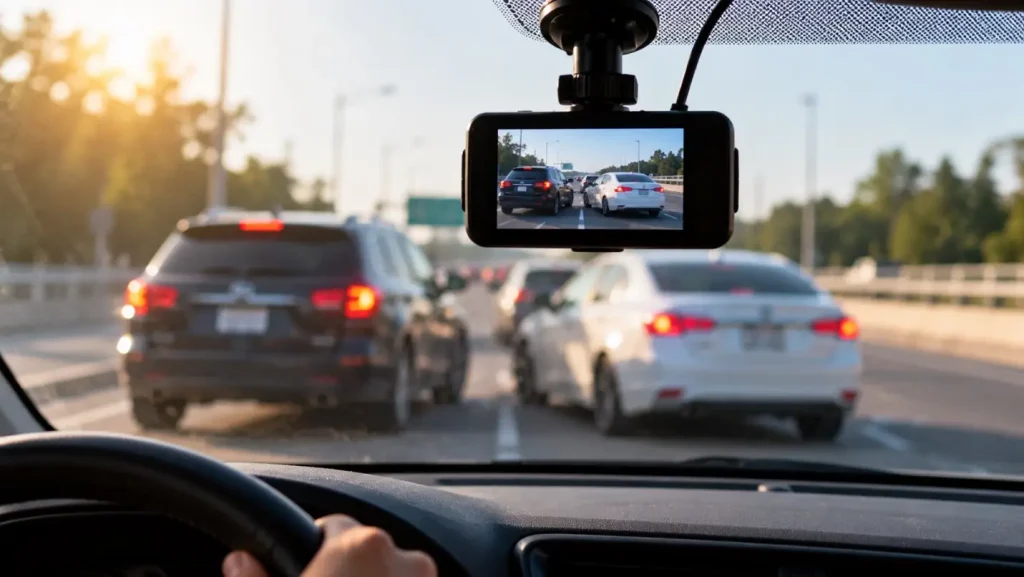
Aggressive driving crashes often leave conflicting accounts, limited witness information, and questions about what happened seconds before impact. A dashcam recording can preserve lane changes, following distance, brake checks, gestures, and the collision itself. That evidence helps investigators compare statements with what they saw. It also shows how road rage develops through perceived slights, impulsive decisions, and escalating maneuvers. Drivers who understand the value of recordings can protect crucial evidence before memories change or vehicles are repaired.
Why Aggressive Driving Crashes Are Difficult To Reconstruct
Aggressive driving often begins with a perceived slight, such as a delayed merge or an abrupt lane change. Research by Auger & Auger explains how reward responses, stress, and distorted perceptions can intensify those moments. A driver may then follow too closely, block traffic, pass recklessly, or brake suddenly.
After a collision, each driver may describe the same sequence differently. A dashcam gives investigators a time-stamped record that helps compare those accounts with roadway conditions and vehicle movement.
What Dashcam Footage Can Show
Clear footage can document several facts that are difficult to prove through testimony alone. The most useful details often include:
- The other vehicle’s speed relative to surrounding traffic.
- A sudden lane change, swerve, or unsafe pass.
- Tailgating, brake-checking, or repeated attempts to block movement.
- Traffic signals, lane markings, signs, and weather conditions.
- Contact between vehicles and each vehicle’s position afterward.
- Statements, gestures, or actions that show continued aggression.
Footage also captures what happened before the impact. That timing matters because an aggressive maneuver can establish whether the crash followed an isolated mistake or a continuing pattern of dangerous conduct.
How To Preserve The Recording
Drivers should save the original file as soon as possible after a crash. Many dashcams record over older footage when the memory card reaches capacity, which can erase the relevant segment.
The original card should remain unchanged. Editing, trimming, renaming, or exporting through an application can affect metadata and create questions about authenticity. A separate copy can support sharing, while the original remains preserved.
Back up the recording in two secure locations. The backup should include the full clip, surrounding footage, the device’s date and time settings, and any available file information. If the camera clock is inaccurate, record that fact rather than correcting it after the event.
What To Do After The Crash
Safety comes first. After moving away from immediate traffic hazards, contact law enforcement if there are injuries, significant damage, or suspected aggressive conduct.
The driver should avoid confronting the other motorist. A calm exchange of insurance and contact information is safer than an argument, especially when the other driver appears angry or impaired.
Photographs should document vehicle positions, damage, skid marks, traffic controls, and the surrounding roadway. Collect witness names and contact information when available. Provide the dashcam file to the responding officer, insurer, or attorney through a secure copy.
How The Recording Can Support A Claim
A dashcam does not automatically decide fault. Its value depends on image quality, the recording’s completeness, camera placement, and the surrounding evidence.
Investigators compare the video with vehicle damage, police reports, witness accounts, photographs, and physical evidence. A recording that shows a driver crossing a center line or striking another vehicle from behind can clarify disputed facts. Audio can also matter when it captures threats or admissions, although state privacy laws govern some recordings.
An attorney can help preserve the file, evaluate its relevance, and present it in a way that follows court rules. Drivers should avoid posting crash footage publicly before receiving legal advice, because online comments can create additional disputes about the incident.
Limits Of Dashcam Evidence
A camera might not capture every important event. Windshield glare, darkness, rain, blocked angles, low resolution, or a missing rear camera can leave gaps. A recording can also show the final seconds without explaining what happened outside its view.
Drivers should treat footage as one part of the evidence. They should provide the complete recording instead of submitting only a favorable excerpt. A complete file gives investigators the surrounding context and reduces claims that the video was selectively edited.
Conclusion
A dashcam recording can turn a disputed aggressive driving crash into a clearer sequence of events. Drivers should preserve the original file, create secure backups, photograph the scene, collect witness details, and avoid public posts. Share the recording promptly with law enforcement, an insurer, or an attorney, especially when injuries or deliberate maneuvers are involved. Taking those steps protects the evidence before storage systems overwrite it and before memories become less reliable.

