Epstein’s plea deal has greatly changed how society views elite accountability and victims’ rights in the justice system.

Did Jeffrey Epstein Have a Plea Deal in 2008? Details and Fallout
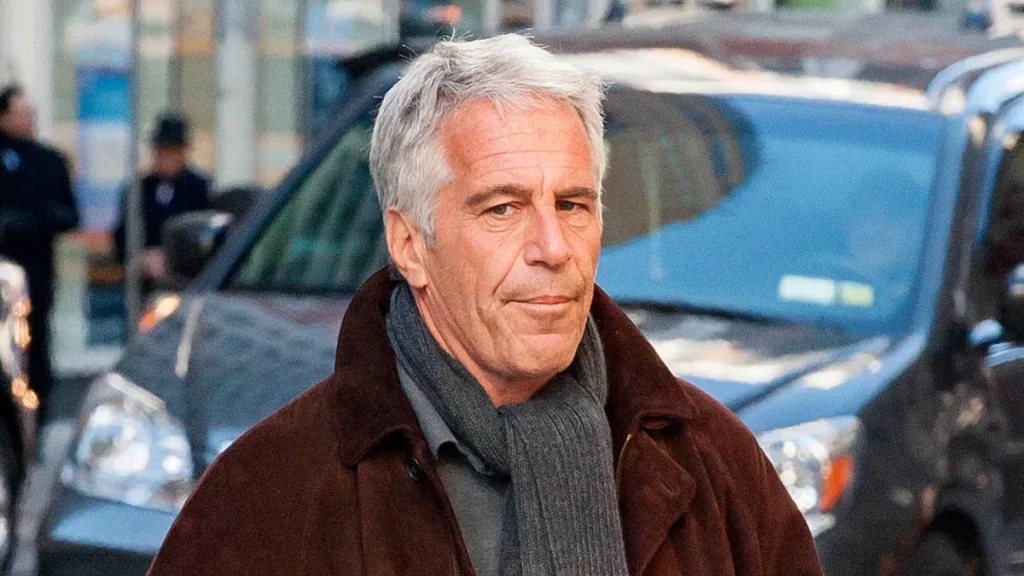
Epstein’s 2008 plea deal is undoubtedly one of the more infamous cases of modern U.S. legal bargains. There was to be a significant prosecution for apparent sex crimes involving minors. Still, the result was behind-the-scenes arrangements that permitted Epstein to escape serious prison time for such crimes. More than a decade later, new questions keep springing up: How did he get such a sweet deal? Who approved it? And what happened afterward?
This article analyzes the 2008 plea agreement and discusses the legal strategies behind it, minimizing legal liability, and the public and political fallout that followed.
The Original Charges Epstein Was Facing in 2006–2007
Before looking into the released plea deal, it’d be worth knowing what was put out there against Epstein. In the early 2000s, reports from numerous underage girls emerged linking Epstein to Palm Beach, Florida. Police investigations showed a disturbing pattern of abuses, grooming, and trafficking. However, he was eventually formally charged, though the charges seemed limited compared to the wide range of allegations.
Allegations Involving Dozens of Victims
More than thirty underage girls were identified by Palm Beach police, who told investigators they were either sexually abused or paid to engage in sexual acts with Epstein at his mansion. These instances could not be considered isolated; they constitute a pattern that resembles organized sexual exploitation.
Investigation Handed to the FBI
Because the case was of such magnitude, the FBI had to intervene. They drew up a 53-page indictment that contained possible charges of federal sex trafficking, but it was never filed in court. Instead, another path was chosen that would draw outrage in later years.
Inside the 2008 Non-Prosecution Agreement
This plea bargain from 2008, alternatively titled a non-prosecution agreement (NPA), precluded Epstein from prosecution in the federal courts.
The plan was devised behind closed doors between Epstein’s attorneys and U.S. Attorney Alexander Acosta’s office in Florida and resulted in a closet deal that freed Epstein from serious consequences and sidestepped the victims.
Key Terms of the Deal
Under this deal, the money manager businessman would agree to plead guilty to two state charges of soliciting prostitution, one of them involving a minor, which in turn would seek to persuade the federal government to drop its potential charges. The sentence was for 18 months in county jail, 5 months of which Epstein served. Most troubling about this immunity deal was that it granted immunity not only to Epstein himself, but also to unnamed co-conspirators.
Secrecy and Lack of Victim Notification
The verdict had not been disclosed to the victims during the negotiation, which is a clear violation of the Crime Victims’ Rights Act. Many of the victims had learned of the agreement only after it had been concluded and signed, which caused outcries from those very victims when the deal was made public. This also initiated legal challenges.
Work Release Privileges During Sentencing
Notwithstanding a jail term, Epstein was granted a work-release program that allowed him to leave jail six days a week for 12 hours a day. For much of that time, Epstein spent working in his office, allowing visitors, including young women.
The Role of Alexander Acosta and Federal Prosecutors
The plea deal from Epstein has unveiled political and legal figures to sharp scrutiny. Alexander Acosta, who was then the U.S. attorney for the Southern District of Florida, approved the 2008 NPA. Years later, this very approval would attract intense scrutiny, especially after he became a member of President Trump’s cabinet.
Acosta’s Explanation of the Deal
In an interview years later regarding the plea bargain, Acosta mentioned that the federal government was afraid it would not be able to prove its case in court. He justified the agreement as being “the best deal possible at the time.”
Controversy and Resignation as Labor Secretary
In 2017, Acosta’s appointment to the position of Secretary of Labor brought up the earlier decision in his past when public outcry erupted over the Epstein case. Increased pressure made way for 2019, and, under renewed interest and Epstein’s re-arrest, Acosta resigned.
Did Political Influence Play a Role?
Epstein’s ties with affluent and influential people make many wonder if the sweetheart deal might have been obtained through undue influence. There is no outright evidence. The opacity surrounding the NPA continues to stir up such concerns.
Legal Fallout: Reopening the Case Years Later
Not fading quietly, the Epstein case was thrust back into the limelight by fierce survivor advocacy and investigative journalism. Years after the plea deal, renewed legal actions and media scrutiny reignited public interest, ultimately leading to Epstein’s re-arrest in July 2019 on new federal charges.
Survivor Lawsuits and the Victims’ Rights Battle
Victims of 2008 sought justice in court, complaining that the government violated their rights by keeping them out of the deal-making process for the pleas. These suits would continue to twist on for years, keeping the case in the spotlight.
Investigative Journalism Sparks New Outrage
In 2018, the Miami Herald published a bombshell report entitled “Perversion of Justice,” alleging shocking details about the 2008 deal, giving a voice to Epstein’s victims. The report intensified public pressure to bring Epstein and others to justice.
2019 Federal Indictment and Epstein’s Arrest
The re-examination led to the arrest of Epstein in July 2019 on federal sex trafficking charges. Prosecutors claimed that he maintained “a vast network” for abuse, some of which occurred during and after his time under the 2008 agreement.
How the Deal Protected Co-Conspirators
One of the most disturbing disclosures in the NPA of 2008 was the provision for the protection of unnamed associates. This provision was not only for the benefit of Epstein. It prevented federal prosecution of anybody who might have aided, facilitated, or otherwise participated in Epstein’s crimes.
Immunity Clause Details
Although their identities were never disclosed, the agreement extended immunity to “any possible co-conspirators.” Due to this language, it was almost impossible for federal authorities to charge anyone in Epstein’s organization unless charges could be brought upon newly emerging evidence.
Ghislaine Maxwell and the Legal Loophole
Ghislaine Maxwell, Epstein’s longtime accomplice, was not charged in 2008 despite a slew of allegations against her. Perhaps this was partly due to the non-prosecution agreement. Maxwell, however, was arrested in 2020 under these new charges that fell outside the scope of that agreement.
Impact on Future Prosecutions
Certainly, the blanket immunity clause remains widely criticized in the NPA. It brought concerns of whether justice was denied not merely to Epstein’s victims but also in terms of bringing his wider network to account.
Congressional and DOJ Reactions After the Deal Was Exposed
In light of the revelations concerning the scale of the 2008 deal, formal investigations were initiated, accompanied by widespread demands for fundamental change.
Public pressure got policymakers and the Justice Department to investigate how the deal materialized to determine if any laws had been breached in its formulation.
DOJ Investigation into Prosecutorial Misconduct
In 2019, the Office of Professional Responsibility at the Department of Justice began an internal investigation of the prosecutors involved with the plea deal. It stated that Acosta used “poor judgment” but had found no indication of any criminal misconduct.
Congressional Hearings and Public Inquiries
Congressional members heard the public’s call for accountability through the holding of hearings, the main agenda of which was to look into how the federal justice system has failed Epstein’s victims. The investigations have also opened up the space for discussions on breaches in legal proceedings and how to reach a better form of victim protection in the future.
Proposed Legislative Reforms
The Epstein case elicited bipartisan calls to reform how both plea deals are negotiated and victims consulted and informed. Progress has lagged, but the case continues to shape the standard of care against which the prosecution of future sex crimes is measured.
The Broader Legal and Cultural Impact of the 2008 Plea Deal
Rise of Victim Advocacy Movements
As a result of the case, advocacy groups for survivors of sexual abuse became more visible and more powerful. The public outcry against the plea bargain tightened the conversation about consent, credibility, and the legal protection of victims.
Trust in the Legal System Shaken
Many Americans perceived the Epstein deal as a symbol that wealth and connections can trump accountability. Trust in prosecutors, judges, and the federal system is still damaged and continues to be felt today.
Setting Precedents for Future High-Profile Cases
This plea agreement received considerable public and media scrutiny and thereby set a new benchmark for openness in high-profile criminal cases. Today, it is being used as a cautionary tale by legal observers when they examine similar negotiations.
The bottom line
