
How Elon Musk Revived Tesla: Turning Electric Vehicles into Reality
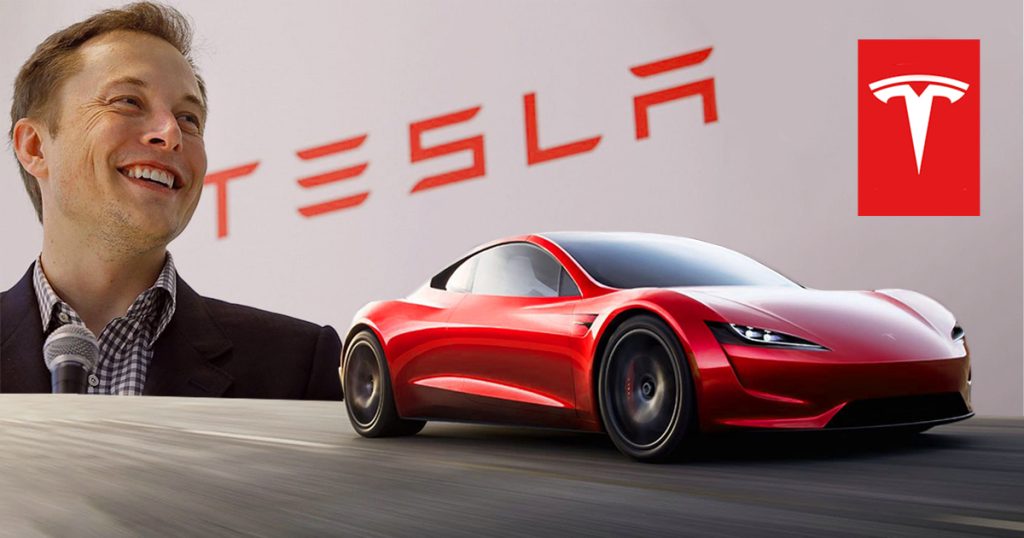
Tesla, Inc. is a name synonymous with innovation, sustainability, and electric vehicles. But Tesla’s journey to becoming a global leader in electric vehicles (EVs) was fraught with challenges. When Elon Musk took control of Tesla Motors in 2004, the company was a fledgling startup with ambitious dreams but uncertain prospects. Musk’s leadership and vision were instrumental in transforming Tesla from a near-failure to one of the most influential car manufacturers in the world. By then, the automotive industry was a landscape dominated by gasoline-powered giants, and electric vehicles were often dismissed as impractical or niche innovations.
At the time, Tesla was a fledgling startup with a visionary concept but faced overwhelming challenges, from financial instability to production hurdles. Yet, Musk saw something others did not: the potential for Tesla to not only survive but to revolutionize the way the world viewed transportation and energy. His journey with Tesla is one of turning an audacious dream into a global reality, proving that electric vehicles could be more than just an alternative—they could be the future. This article delves into how Elon Musk revived Tesla, transforming it from the brink of collapse into a trailblazing force that has reshaped the automotive industry and spearheaded a global movement towards sustainable energy
The Early Days: Tesla Before Musk
Tesla was founded in 2003 by engineers Martin Eberhard and Marc Tarpenning, with the goal of proving that electric vehicles could be better than gasoline-powered cars. The company aimed to create a high-performance electric sports car that would change the public’s perception of EVs. However, despite their vision and engineering expertise, Eberhard and Tarpenning faced significant challenges in securing the necessary funding to bring their concept to market.
Enter Elon Musk. In February 2004, Musk led Tesla’s initial Series A funding round, investing $6.5 million of his own money and becoming the company’s largest shareholder and chairman of the board. While Musk did not initially found Tesla, his involvement was pivotal from the start. He shared the founders’ vision of a future dominated by electric vehicles and saw Tesla as the key to accelerating the transition to sustainable energy.
Musk’s Vision: More Than Just Cars
Elon Musk’s vision for Tesla extended far beyond creating an electric sports car. He envisioned a future where Tesla would not only produce a range of electric vehicles for different markets but also play a key role in advancing sustainable energy solutions. This vision included developing energy storage systems, solar power solutions, and integrating these technologies into a broader ecosystem that could reduce global reliance on fossil fuels.
Musk’s ambitious vision was met with skepticism. The automotive industry was dominated by established giants, and the EV market was considered a niche segment with limited potential. Many doubted that a startup like Tesla could survive, let alone disrupt the entire industry. However, Musk’s determination and ability to rally support for Tesla’s mission were critical in navigating the challenges ahead.
The Roadster: A Rocky Start For Tesla Electric Vehicles
Tesla’s first production car, the Roadster, was launched in 2008. The Roadster was a high-performance electric sports car that could accelerate from 0 to 60 mph in under four seconds, challenging the perception that EVs were slow and unattractive. However, the Roadster’s development was plagued with issues, including production delays, cost overruns, and technical challenges.
By the time the Roadster hit the market, Tesla was on the brink of bankruptcy. The initial cost of the Roadster was much higher than anticipated, and the company struggled to deliver vehicles to customers on time. The situation was dire, and Tesla needed a lifeline to survive.
Musk stepped in, taking on the role of CEO in 2008. He restructured the company, implemented cost-cutting measures, and personally invested additional funds to keep Tesla afloat. Musk’s leadership during this crisis was crucial in keeping the company alive. Despite the setbacks, the Roadster proved that electric vehicles could be exciting, fast, and desirable. It set the stage for Tesla’s future success, but it was clear that the company needed to pivot to a more sustainable business model.
The Model S: A Game-Changer
The turning point for Tesla came with the launch of the Model S in 2012. The Model S was a luxury electric sedan that combined cutting-edge technology, impressive performance, and a longer driving range than any other EV on the market at the time. The Model S was a critical success, winning numerous awards, including Motor Trend’s 2013 Car of the Year. It also garnered widespread acclaim for its safety, design, and technological innovations.
The success of the Model S was a testament to Musk’s vision and Tesla’s ability to innovate. The vehicle’s success helped to change public perception of electric cars and proved that they could compete with, and even surpass, traditional gasoline-powered vehicles in terms of performance, safety, and desirability.
Musk’s approach to the Model S demonstrated his commitment to continuous improvement and innovation. Tesla introduced over-the-air software updates for the Model S, allowing the car to receive new features and improvements without requiring a visit to the dealership. This approach not only kept customers engaged but also set Tesla apart from other automakers, who typically required physical updates for vehicle improvements.
The Gigafactory: Scaling Production of Electric Vehicles
One of the biggest challenges Tesla faced was scaling production to meet the growing demand for its vehicles. To address this, Musk spearheaded the development of the Gigafactory, a massive manufacturing facility designed to produce lithium-ion batteries at scale. The Gigafactory, located in Nevada, was a key component of Tesla’s strategy to reduce the cost of batteries and, by extension, the cost of electric vehicles.
The Gigafactory was ambitious in both scale and scope. When fully operational, it was designed to produce enough batteries to power 500,000 electric vehicles annually. The facility was also intended to be powered by renewable energy, aligning with Musk’s vision of a sustainable future.
The Gigafactory represented a significant investment for Tesla, but it was necessary to achieve Musk’s goal of making electric vehicles more affordable and accessible. By producing batteries in-house, Tesla could reduce costs, improve supply chain efficiency, and accelerate the transition to a sustainable energy future.
Overcoming Financial Challenges in Developing Electric Vehicles
Tesla’s journey was not without its financial challenges. The company faced numerous cash flow issues, especially as it scaled production and expanded its product lineup. Critics often questioned Tesla’s ability to turn a profit, and the company’s stock price was highly volatile, reflecting the uncertainty surrounding its future.
Musk navigated these challenges with a mix of bold decision-making and strategic fundraising. He secured additional funding through equity offerings and convertible debt, and Tesla’s IPO in 2010 provided the company with much-needed capital. Musk also took significant personal risks, including borrowing money to purchase additional Tesla stock, demonstrating his unwavering belief in the company’s mission.
In 2018, Tesla faced what Musk later described as “production hell” while ramping up production of the Model 3, its first mass-market electric vehicle. The company struggled to meet its production targets, and Musk even took to sleeping at the factory to oversee operations. Despite these challenges, Tesla eventually overcame its production issues, and the Model 3 became a commercial success, solidifying Tesla’s position in the global automotive market.
Expanding the Product Line: Beyond Electric Vehicles
Under Musk’s leadership, Tesla expanded its product line beyond electric vehicles. The company introduced the Powerwall, a home energy storage solution that allowed homeowners to store energy generated by solar panels for use during peak demand times or power outages. Tesla also launched the Solar Roof, an integrated solar energy solution designed to replace traditional roofing materials with solar panels.
These products were part of Musk’s broader vision to create a sustainable energy ecosystem. By integrating electric vehicles, energy storage, and solar energy, Tesla aimed to reduce reliance on fossil fuels and promote a future powered by renewable energy sources.
Tesla’s expansion into energy products also provided the company with additional revenue streams and helped to diversify its business. While the automotive division remained Tesla’s core focus, the energy division represented a growing and complementary aspect of the company’s operations.
The Importance of Branding and Marketing of Electric Vehicles
Tesla’s success was not just about the quality of its products but also the strength of its brand. Musk’s vision for Tesla was not just about selling cars; it was about selling a lifestyle and a commitment to sustainability. Tesla positioned itself as a premium brand, emphasizing innovation, technology, and environmental responsibility.
Musk’s personal brand was also closely tied to Tesla’s identity. His reputation as a visionary entrepreneur and his willingness to take risks garnered significant media attention and helped to build a loyal customer base. Musk’s use of social media, particularly Twitter, allowed him to communicate directly with fans and customers, bypassing traditional marketing channels and creating a sense of community around the Tesla brand.
Tesla’s approach to marketing was unconventional. The company spent little on traditional advertising, relying instead on word-of-mouth, social media, and the enthusiasm of its customer base. This approach was not only cost-effective but also helped to create a strong, organic connection between the brand and its customers.
Challenges and Criticisms
Despite its success, Tesla and Musk faced numerous challenges and criticisms. The company’s rapid growth and ambitious goals led to significant scrutiny from investors, regulators, and the media. Musk’s leadership style, while effective, was also controversial. His demanding expectations and sometimes erratic behavior led to high turnover among Tesla’s executive team and raised concerns about the company’s ability to maintain stability.
Tesla’s production challenges, particularly with the Model 3, also drew criticism. The company’s initial struggles to meet production targets led to delays and frustration among customers and investors. Additionally, Tesla faced safety concerns and recalls related to its vehicles, including issues with the Autopilot system, which was designed to assist with driving but came under fire for its limitations and potential safety risks.
Musk’s involvement in multiple ventures, including SpaceX, The Boring Company, and Neuralink, also raised concerns about his ability to focus on Tesla. Critics questioned whether Musk was spreading himself too thin and whether his attention was being diverted from Tesla’s core business.
Despite these challenges, Tesla continued to grow, driven by Musk’s relentless pursuit of his vision and the company’s ability to innovate and adapt.
The Road Ahead: Tesla’s Future
As Tesla moves into the future, the company faces both opportunities and challenges. The global push towards electric vehicles, driven by concerns about climate change and government regulations, presents a significant growth opportunity for Tesla. The company is expanding its production capacity, with new Gigafactories planned in Europe and Asia, and is developing new models, including the Cybertruck and the Tesla Semi.
Tesla is also investing in autonomous driving technology, with the goal of creating a fully self-driving car. While the technology is still in development and faces regulatory hurdles, it represents a potentially transformative innovation that could revolutionize the automotive industry.
However, Tesla also faces increasing competition from established automakers and new entrants to the EV market. Companies like Ford, General Motors, and Volkswagen are investing heavily in electric vehicles, and startups like Rivian and Lucid Motors are emerging as potential competitors. Tesla will need to continue innovating and improving its products to maintain its competitive edge.
The Bottom Line
Elon Musk’s revival of Tesla is a remarkable story of vision, innovation, and perseverance. From the early challenges of the Roadster to the success of the Model S and the expansion into energy products, Musk’s leadership has been instrumental in transforming Tesla into a global leader in electric vehicles and sustainable energy.
Tesla’s journey is a testament to the power of a bold vision and the determination to turn that vision into reality, despite the odds. As Tesla continues to grow and evolve, it remains at the forefront of the transition to a sustainable energy future, driven by Musk’s unwavering commitment to innovation and the belief that electric vehicles can change the world.
For more insights into Elon Musk’s ventures and their impact on the world, visit advicescout.com. Additionally, you can learn more about the future of electric vehicles by exploring this authoritative source.
