
Elon Musk’s Stance on Cryptocurrency Investments
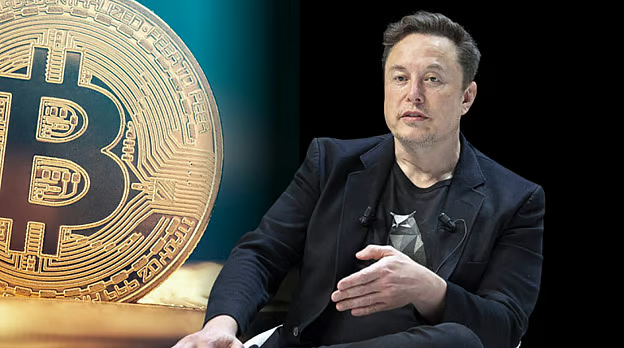
Elon Musk’s beliefs about cryptocurrency investments as well as where he chooses to put his money has huge consequences on the crypto industry
Few figures in recent times have shaped opinion with such force as Elon Musk. Praised for leading Tesla and SpaceX, Musk now finds himself amongst the most influential voices within the world of cryptocurrency investments. His words, tweets, and market moves fascinate the masses but also carry great weight, influencing the value and legitimacy of Bitcoin, Ethereum, and Dogecoin. This article looks at Musk’s cryptocurrency investments as well as the controversial but far-reaching impact that he has on the market and the consequences of his decisions on the crypto industry.
The history of Musk’s cryptocurrency investments
The cryptocurrency market has experienced a dramatic shift in the last decade. The launch of Bitcoin in 2009 sparked a revolution in decentralized finance, and a flood of cryptocurrencies followed. Dogecoin started as a lighthearted satire of the serious world of crypto and has become one of the most surprising success stories. What started as a meme coin in 2013 has now grown into a digital asset with a strong community and a market capitalization that competes with major tokens. Elon Musk’s early and unwavering support for Dogecoin helped propel it into mainstream conversations, demonstrating the immense power a tech pioneer can have within the world of crypto.
Musk’s early endorsements and business ventures
Musk’s initial foray into cryptocurreny investments is documented on Twitter (now X). A terse December 20, 2020 tweet of just “One Word: Doge” propelled the cost of dogecoin up by a whopping 20%. His ensuing Tweets, asserting that “Dogecoin is the people’s crypto,” accompanied by playful memes that paired the coin with lofty “to the moon” aspirations, solidified the entrepreneur’s place as a staunch advocate of the virtual currency. His ability to sway opinion within the markets with a few characters on X highlights the degree by which new social media can precipitate dramatic financial fluctuations.
Musk’s interest in Dogecoin goes beyond mere virtual endorsements. He has integrated Dogecoin into the business conversation, most prominently by proposing that it could eventually be used as a payment method for some Tesla merchandise or products from his other companies. Beyond the lawsuits and market manipulation allegations, Musk’s consistent messaging has been a driving force behind keeping Dogecoin’s momentum going, having started as something that many were happy to call “joke currency.”
Tesla’s intricate ballet with cryptocurrency
Tesla’s relationship with crypto best represents the duality of Musk’s approach, both innovative and practical. At the outset of 2021, Tesla shocked the world by making a whopping investment of US$1.5 billion in Bitcoin and for a short while receiving Bitcoin as payment for his cars. The daring move signified the transition point that indicated conventional businesses were now seriously taking digital assets into account as a means of storing wealth. But fears over the environmentally intensive Bitcoin “mining” practice eventually led Tesla to start rejecting Bitcoin payments. Musk justified that the resource-hungry mining practice clashed with Tesla’s green mission. The subsequent fall of Bitcoin by about 12% upon the release of the decision highlighted the tightrope between innovativeness and sustainably.
Even with this failure, Tesla’s adventure with cryptocurrency was only just beginning. Over the next few months, the firm sold most of its Bitcoin at a loss, citing the pressure on profitability and the challenges of reconciling crypto investments with its long-term business strategy. However, Tesla’s first foray assisted in establishing Bitcoin as a mainstream asset class and paved the way for more institutional investment in digital currencies.
Personal investments and the market effect
Beyond Musk’s financial transactions, his foray into the world of cryptocurrency has drawn lots of interest. He has openly invested in Bitcoin, Ethereum, and Dogecoin investments that align with his lofty aim of making the world more self-reliant from the financial systems that are centralized. His endorsements and resultant tweets reverberate within the market, causing sudden fluctuations at times. A tweet by Musk, for example, can send Dogecoin into double-digit increases with detractors condemning it as “pumping” the currency for self-aggrandizement purposes.
Critics say that these endorsements are a form of market manipulation. One high-profile lawsuit in 2021 claimed that Musk had artificially inflated the price of Dogecoin with his tweets, although the court eventually dismissed the suit. Nevertheless, the episode illustrates the built-in dangers of speculation inherent in the capricious nature of the internet and the significant influence wielded by a celebrity figure. To crypto enthusiasts, however, Musk’s actions represent the revolutionary promise of digital currency and highlight the leadership role that charismatic figures can play in bringing about new economic paradigms.
The DOGE initiative: improving government efficiency with cryptocurrency
One of the most unexpected periods of Musk’s crypto adventures includes the involvement with the appropriately named “Department of Government Efficiency” (DOGE). President-elect Donald Trump recently named Musk the new manager of the initiative that promised to eliminate the inefficiencies that were rampant within the government—a move that most saw as the joining of private entrepreneurship with governmental policy. The acronym “DOGE” is a humorous reference to the altcoin known as Dogecoin, representing Musk’s constant interest in the humor within the world of crypto.
Under this initiative, the objective is to contain federal spending by removing the wastage that infest the state operations. Although the exact mechanism for the lofty savings of $2 trillion remains controversial, the project has already drawn the interest of lawmakers and tech moguls alike. Most prominently, individuals such as Vivek Ramaswamy and Sriram Krishnan came forward to support the initiative, signaling that the project goals are much more than mere cost-reduction techniques.
The DOGE project confers the accompanying benefit of raising Musk’s profile as a disruptor while at the same time conferring legitimacy upon the world of the crypto universe within the context of governance. With the highly successful DOGE brand and the initiative of streamlining state operations, Musk skillfully bridges the old governance structures with the distributed nature of the crypto world. The shrewd branding can well be the precursor of more relaxed regulatory environments that allow for an increased global and domestic acceptance of electronic currency.
Cryptocurrency, regulation, and conflict of interest
Musk’s profound foray into the world of cryptocurrencies did not remain controversy-free. His cryptocurrency investments have invited controversy over the fear that it could generate favoritism for his enterprises or even influence regulatory regulations to enhance his financial interest.
Tesla’s investments and subsequent moves have drawn the spotlight of green campaigners, who argue that the energy required for Bitcoin mining compromises the company’s green credentials. Musk’s overexcited promotion of the relatively insignificant altcoin Dogecoin while scornfully dismissing the much more valuable Bitcoin raised questions about market manipulation and the obvious lack of regulatory control over the world of cryptocurrencies.
Government regulators, such as the Commodity Futures Trading Commission (CFTC) and the Securities and Exchange Commission (SEC), watched the crypto markets closely with great interest, fascinated by the dramatic swings caused by prominent individuals. With Musk’s string of endorsements coming at the same time that new governmental officials were taking up the reins of office, the controversy surrounding the regulation of these trends grew much more intense.
Musk argues that the nature of the currency of the future lies within the world of decentralized finance but warns that the unregulated upswell threatens the danger of systemic susceptibility, bogus schemes, and volatile market fluctuations. Musk’s skill at bridging the worlds of Silicon Valley tech and public policy puts him at the center of these debates. His efforts could well serve as a precursor to future cryptocurrency regulations, shining a light on whether the decentralized ethos of the electronic money model can coexist peacefully with the established financial regulatory environment.
Broader consequences for the cryptocurrency market
Elon Musk’s impact transcends mere investments and company decisions. His decisions are deeply influential, shaping market opinions, dictating investor trends, and sometimes influencing regulatory environments. The market reacts with stunning quickness to a mere tweet from Musk, with far-reaching consequences often resulting from it. The ups and downs of the Bitcoin price, the sudden hikes of Dogecoin’s worth, and the occasional boosts of new altcoins are all market reactions to his messages.
In addition, Musk’s impact has greatly fueled the increasing institutional adoption of cryptocurrency in traditional financial environments. Firms that were previously cautious about digital assets are now eagerly seeking the possibilities offered by blockchain technology, while big financial institutions increasingly integrate crypto into the investment products they offer. The increasing institutional demand for cryptocurrency investments is also evident in the increased demand for crypto-backed products, such as exchange-traded funds and custodial services tailored for holding crypto assets.
At the same time, the lively discussion around cryptocurrency investments has undergone an unprecedented shift. What was once seen as a niche activity—or even a joke—has inarguably permeated the mainstream financial discussion. Consider, for example, Musk’s frequent support of Dogecoin; his endorsement has propelled it from the level of a meme coin to a serious player in the world of digital assets. While its value may fluctuate, Dogecoin’s cultural relevance is undeniable, intricately tied to the very narrative of Musk himself.
The potential of the more regulated and wider crypto market is huge. Supporters contend that electronic currencies are likely to decrease the cost of transactions, increase financial inclusion, and facilitate international transactions more comfortably. To the millions of people with no access to conventional systems of banking in different countries, these electronic currencies are a lifeline. Musk’s intentions, evident in the wide-ranging enterprises that he embarks upon and the plain-spoken remarks that he makes, apparently align with this positive outlook. He views electronic currencies not just as investments but as revolutionary tools that are likely to reshape the financial world.
The future of Musk’s crypto ventures
Looking forward, several key questions remain about Musk’s long-term strategy in the crypto space. Will he continue to use his considerable social influence to sway markets? Can his corporate ventures, such as Tesla and SpaceX, effectively integrate cryptocurrency without compromising their core missions? And most importantly, how will regulators respond to the growing intermingling of government, technology, and decentralized finance?
Musk’s appointment as head of the DOGE project reflects his interest in staying at the cutting edge of new technologies. If the project, which boldly seeks to eradicate trillions of dollars of governmental inefficiency, is successful, it could become a powerful force for the wider adoption of cryptocurrency in governmental contexts. But one should not forget the difficulties of reconciling public policy with private enterprise. Critics argue that the nature of decentralized finance is contradictory to conventional bureaucratic practice, warning that Musk’s dual role in leading the project and marketing it could ultimately result in conflicts of interest that compromise the public interest.
In the coming years, market watchdogs are likely to closely monitor Musk’s tweets and public statements since they remain critical in dictating the fortunes of the crypto market. His occasional mentions of future payment systems—such as the use of Dogecoin for transactions within the Twitter platform now renamed as X, or the use of electronic currencies within the Tesla universe—generate both hope and speculation. Although the implementation of these ideas might be years away, the mere mention of these plans triggers rapid responses from the market.
In the distant future, the mass adoption of cryptocurrency for routine financial transactions will be more determined by developments within the area of blockchain technology, the safety of the systems, and the regulatory framework rather than by endorsements by celebrities. Although Musk’s appeal might be the impetus for such revolutionary change, it will require the presence of durable systems and institutional legitimacy that are above the personality of individuals for it to be sustainable.
Controversies and criticisms
No examination of Musk’s foray into the world of cryptocurrency investments would be complete without noting the controversy that came with his rise to prominence in this industry. Musk critics have continually argued that he exploited the huge platform of the social media world to “pump” stocks for self-aggrandization. The legality of the matters that confronted him – the great majority of these being rejected by the judiciary – are the indicator of the blurry distinction between advocacy and market manipulation within the unregulated world of crypto.
Furthermore, Musk’s involvement with several prominent enterprises from Tesla and SpaceX to Neuralink and xAI calls into question his ability to stay free of conflicts of interest. Considering that Musk’s wealth lies deeply within the volatile world of cryptocurrency investments, and the intricately regulated environments the businesses under his stewardship operate within, the danger of malicious influences grows more evident with time. Some argue that the entrepreneur’s extensive involvement compromises the concentration of power, eventually distorting markets and interfering with competitive balance.
These concerns are now drawing the interest of regulatory bodies. The SEC, the CFTC, and FINRA are at the front of the charge here, with calls for more rigorous regulation of crypto investments generally, but especially where dramatic market swings are orchestrated by influential individuals. Musk remains firm in his position with responses that are more opinionated personal opinions rather than formal financial analysis, while the wider discourse about the impact of celebrities on financial markets intensifies ever more vigorously.
Conclusion
Ethereum and Dogecoin are popular currencies in the world of cryptocurrencies. With his loud voice of support and firm decision-making, he has conferred legitimacy upon cryptocurrency, triggering institutional interest and market forces. Even so, with his involvement came controversy over market manipulation, conflicts of interest, and the need for governance within the otherwise decentralized world.
Musk’s fervent support for cryptocurrency investments, particularly with investments such as Dogecoin, aims at aligning private enterprise with the public interest, advocating for the cause of efficiency enhancement. Despite controversies surrounding his impact, Musk’s contribution toward the future of the industry remains indisputable, emphasizing the need for the balance of innovation with responsibility.
