
Elon Musk’s Twitter: Decoding the Tweets That Make Headlines
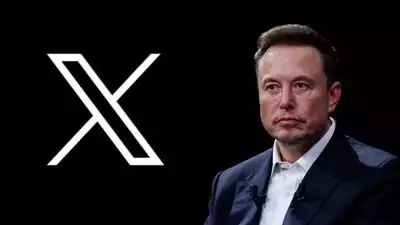
Elon Musk, the enigmatic CEO of Tesla and SpaceX, is not just a business magnate but also a master of social media, particularly Twitter. His tweets often make headlines, move markets, and stir controversy. Elon Musk’s Twitter presence is a fascinating case study of the power of social media to influence public opinion, affect stock prices, and shape the narrative around technology and innovation. This article will explore the various facets of Elon Musk’s Twitter activity, analyze the impact of his tweets, and discuss why his social media presence is so influential. For more insightful content on influential personalities and their strategies, visit AdviceScout.
The Power of a Single Tweet on Elon Musk’s Twitter Presence
Elon Musk’s tweets are known to impact various sectors, particularly in technology and finance, significantly. For instance, a single tweet from Musk can lead to substantial stock price fluctuations for Tesla or other companies he mentions. In December 2020, Musk tweeted, “Use Signal,” referring to the encrypted messaging app Signal as an alternative to WhatsApp. This tweet led to a massive surge in downloads for the app, and interestingly, it also caused the stock price of an unrelated company, Signal Advance, to skyrocket by over 1,100% within a few days. This example illustrates how Musk’s Twitter activity can cause market chaos, driven by investors and the public’s perception of his influence.
The ability of a single tweet to drive such significant changes in stock prices and public behavior underscores the immense power of social media in the modern age. This influence is a product of Musk’s celebrity status and his ability to connect with and mobilize a large, diverse audience. His followers include not only tech enthusiasts and investors but also general members of the public who see him as a visionary leader. The implications of this power are vast, raising questions about the responsibilities of influential figures like Musk when using platforms that can so directly affect public and financial markets.
Market Movements and Cryptocurrency Volatility
One of the most notable impacts of Elon Musk’s Twitter activity has been on the cryptocurrency market. Musk has tweeted extensively about Bitcoin, Dogecoin, and other cryptocurrencies, often causing significant price volatility. In early 2021, Musk’s tweets about Dogecoin, a cryptocurrency that started as a joke, led to a massive surge in its value. At one point, Musk even declared himself the “Dogefather” and announced that Tesla would accept Bitcoin as payment, only to retract that statement later, citing environmental concerns over Bitcoin mining. This series of tweets caused Bitcoin’s price to drop by nearly 10%, illustrating how Musk’s social media presence can lead to real financial consequences.
The influence of Musk’s tweets on cryptocurrency extends beyond mere price volatility. It also has implications for the broader adoption of digital currencies and the future of decentralized finance. Musk can influence public perception and potentially guide the market’s direction by voicing support or criticism for specific cryptocurrencies. For example, his tweets on the environmental impact of Bitcoin mining have sparked broader discussions about the sustainability of cryptocurrencies and have pushed other industry leaders to consider greener alternatives. This dynamic highlights the potential of social media to act as a catalyst for change, driving both awareness and innovation in emerging sectors like cryptocurrency.
The Intersection of Humor and Strategy on Elon Musk’s Twitter
Musk’s Twitter persona blends humor, sarcasm, and strategic communication. He often uses memes and jokes to convey messages, making his Twitter feed entertaining and engaging for his followers. However, beneath the humor lies a calculated approach to influence public perception and drive specific narratives. For example, Musk has frequently used Twitter to downplay competitors, criticize regulatory bodies, or promote his companies’ products and services. His tweet 2018 about taking Tesla private at $420 a share, claiming he had “funding secured,” led to an SEC investigation and a $20 million fine. While this incident showed the potential risks of his unfiltered tweeting style, it also demonstrated how Musk uses Twitter to influence markets and public opinion strategically.
Humor and strategy in Musk’s tweets often humanize him, making him appear relatable and approachable. This approach contrasts with other CEOs’ often formal and controlled communications, allowing Musk to build a unique personal brand that aligns with his broader vision of challenging the status quo. Moreover, his use of humor can deflect criticism and maintain a positive public image, even amidst controversy. For instance, when Tesla’s Cybertruck window famously shattered during a demonstration, Musk tweeted a meme of the incident, turning a potential PR disaster into a viral marketing moment. This strategy showcases Musk’s ability to use humor to manage his image and control the narrative surrounding his ventures.
Regulatory Scrutiny and Legal Implications of Elon Musk’s Twitter Activity
Elon Musk’s Twitter activity has captured the attention of millions of followers and regulatory bodies like the Securities and Exchange Commission (SEC). The 2018 tweet about taking Tesla private resulted in an SEC lawsuit, alleging that Musk’s tweets were misleading and had no substantial basis. The lawsuit was settled, and Musk agreed to have some of his tweets reviewed by Tesla’s legal team before posting. However, this has not significantly curtailed his Twitter activity. The incident highlights the fine line Musk walks between using Twitter as a platform for free speech and navigating the legal implications of market-moving statements.
Musk’s legal battles with the SEC and other regulatory bodies have become a defining feature of his public persona. These conflicts highlight the tension between innovation and regulation in the tech industry. While Musk’s defenders argue that his unconventional approach is necessary for his visionary leadership, critics warn that his disregard for regulations poses risks to investors and markets. This dynamic illustrates the broader challenges faced by tech companies that operate at the intersection of rapid innovation and regulatory oversight. Musk’s ongoing skirmishes with regulators serve as a reminder of the complex legal landscape that tech innovators must navigate and the potential consequences of operating outside established norms.
A Case Study in Personal Branding
Musk’s Twitter presence is a masterclass in personal branding. He has cultivated an image of a visionary entrepreneur unafraid to speak his mind or challenge the status quo. This image resonates with many of the public, especially those who admire his ambitious goals of colonizing Mars or revolutionizing transportation through electric vehicles. By sharing behind-the-scenes glimpses into his companies and thoughts on various topics, Musk has built a personal connection with his followers. This connection amplifies his influence, making his tweets more impactful than those from typical corporate accounts.
Musk’s approach to personal branding extends beyond Twitter. He often appears in public wearing casual attire, in stark contrast to the traditional business suits of his peers. This choice reinforces his image as a maverick who defies convention. Musk’s branding is also evident in the products his companies produce, from the sleek design of Tesla vehicles to the futuristic vision of SpaceX missions. By aligning his brand with the innovative spirit of his companies, Musk has created a cohesive identity that is both aspirational and relatable. This branding strategy has proven highly effective, attracting a loyal customer base and a passionate community of supporters.
The Role of Social Media in Corporate Strategy
Musk’s use of Twitter goes beyond personal branding; it is an integral part of Tesla and SpaceX’s corporate strategies. Musk bypasses traditional communication channels by directly communicating with customers, investors, and the media, creating a direct line to the public. This approach allows him to control the narrative around his companies, respond to real-time controversies, and rally his followers’ support. For example, when Tesla faced criticism over its Autopilot system’s safety, Musk took to Twitter to defend the technology and share data supporting its safety. This proactive approach helped mitigate negative press and reassured Tesla’s customers and investors.
Musk’s direct communication style on Twitter also allows for a more agile and responsive corporate strategy. In an industry where innovation is crucial, quickly addressing concerns, announcing updates, or pivoting strategies is a valuable asset. This level of engagement has helped Musk build a strong, loyal customer base that feels connected to Tesla and SpaceX’s mission. Furthermore, Musk’s transparency about his companies’ challenges, whether production issues or ambitious new projects, builds trust with stakeholders. This transparency is rare in the corporate world and has become a hallmark of Musk’s approach to business and communication.
A Double-Edged Sword
While Musk’s Twitter activity has brought significant attention and engagement, it has also been a double-edged sword. His unfiltered and spontaneous tweets have occasionally resulted in legal troubles, stock market volatility, and public relations challenges. For instance, his 2018 tweet about considering taking Tesla private led to lawsuits from investors who claimed they were misled. In another instance, Musk’s off-the-cuff remarks about COVID-19 and the reopening of Tesla’s Fremont factory sparked controversy and backlash. These incidents highlight the risks associated with his approach to social media and the potential consequences of a single tweet going awry.
Despite these risks, Musk has shown little inclination to change his approach to social media. His continued use of Twitter as a platform for bold and often controversial statements suggests that he views the benefits, such as increased visibility, direct engagement with the public, and the ability to shape media narratives, outweighing the potential downsides. However, this strategy also means that Musk and his companies are continually exposed to the volatility of unfiltered public communication. Musk’s challenge is maintaining the advantages of his Twitter presence while minimizing the risks of backlash and legal entanglements.
Decoding the Tweets: What Drives Musk?
Understanding what drives Musk’s Twitter behavior requires looking beyond the tweets themselves. Musk has stated that he uses Twitter to share his thoughts and ideas directly with the public, bypassing traditional media, which he often views as biased or inaccurate. He has also mentioned that he enjoys engaging with his followers and finds Twitter an effective tool for testing ideas and gauging public reaction. This approach aligns with Musk’s broader philosophy of taking bold risks and pushing boundaries in his business ventures and public persona.
Musk’s motivations on Twitter are also tied to his desire to be seen as an innovator and thought leader in the tech industry. Musk positions himself at the forefront of technological and scientific discourse by sharing his thoughts on everything from artificial intelligence to space exploration. This positioning reinforces his status as a visionary leader capable of driving change in multiple industries. Additionally, Musk’s use of Twitter to voice support for emerging technologies, such as renewable energy and electric vehicles, helps promote his companies’ missions and aligns with his broader goals of advancing sustainable innovation.
Future Implications and the Evolving Role of CEOs on Social Media
As social media continues to evolve, so will CEOs like Musk’s role in shaping public discourse. Musk’s Twitter activity has already set a precedent for how corporate leaders can use social media to influence public opinion and market dynamics directly. This trend will likely continue, with other CEOs potentially adopting similar strategies. However, as more executives embrace social media, they must also navigate the associated risks carefully. The balance between transparency, influence, and responsibility will be crucial for maintaining public trust and avoiding legal pitfalls.
Looking ahead, the evolving role of CEOs on social media raises questions about the future of corporate communication and leadership. As more leaders engage directly with the public, the traditional barriers between corporations and consumers may continue to erode. This shift could lead to more dynamic and responsive corporate strategies, but it also poses risks related to misinformation, market manipulation, and the potential for increased regulatory scrutiny. Musk’s example demonstrates this new frontier’s potential and perils, offering valuable lessons for other leaders looking to leverage social media’s power effectively.
The Bottom Line
Elon Musk’s Twitter presence uniquely blends personal expression, strategic communication, and corporate influence. His ability to make headlines, move markets, and shape public discourse through his tweets demonstrates the power of social media in the hands of a high-profile, influential individual. While his approach has brought both successes and challenges, there is no doubt that Musk has redefined the role of the CEO in the digital age. As social media continues to evolve, Musk’s Twitter activity will remain a fascinating case study of the power and pitfalls of digital communication for business leaders. For more insights into the strategies and decisions of business moguls like Elon Musk, visit AdviceScout, where we explore the intersection of innovation, leadership, and technology.
For further information about Elon Musk and Twitter (now X), read this comprehensive guide in The Washing Post.
