
Elon Musk’s Legal Battles: A History of Lawsuits and Settlements
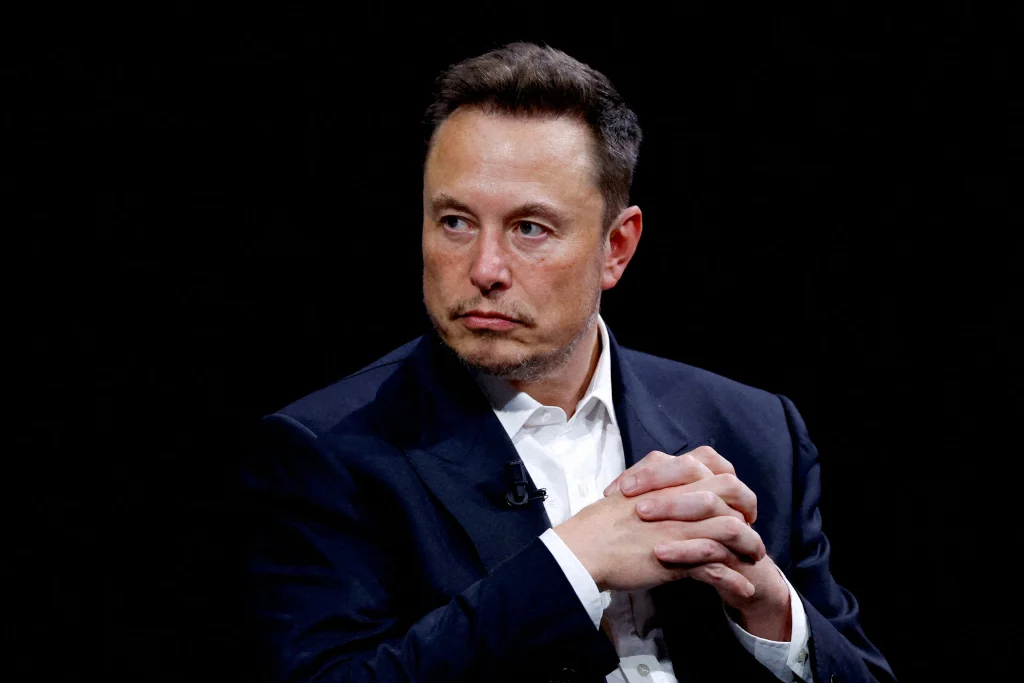
Controversies are nothing new to Musk, and his legal history certainly reflects this. As the billionaire behind Tesla, SpaceX, and Twitter (now X), Musk has been confronted by lawsuits and regulatory actions that go back and forth between defamation, securities violations, and labour disputes. This article presents the most important legal battles Musk has come across and how each affected his career and public perception.
The Infamous SEC Settlement
Elon Musk is locked in a high-stakes multi-front legal battle against the U.S. Securities and Exchange Commission (SEC) that began after a single tweet toppled the financial world and almost ended his leadership at Tesla.
The “Funding Secured” Tweet
In August 2018, Musk put out a tweet indicating his contemplation to take Tesla private at $420 a share, and already had funding secured, a bold assertion which resulted in Tesla pricing skyrocketing. After surging, the price then fell back down, and so began the waves of disarray as well as anxiety from investors and regulators.
SEC Reaction and Lawsuit
The SEC filed a lawsuit charging Musk with securities fraud on the grounds that he had misled investors through false and reckless statements. They contended that Musk had neither obtained that funding nor seriously discussed that proposition with any potential backers.
Settlement Terms and Penalties
The SEC, Musk and Tesla settled their dispute in order to avoid any lengthy litigation. The agreement called for Musk to resign as chairman of Tesla for a least three years, pay a $20 million fine with Tesla paying an extra $20 million, and the implementation of new oversight procedures for Musk’s public communications.
Aftermath and Impact
Although Musk retained the CEO title, the settlement curtailed his media freedom and added an element of scrutiny to all of his public statements. It also set a precedent for the way regulatory agencies could deal with high-profile social media usage by corporate executives.
Defamation Case Over “Pedo Guy” Tweet
Musk faced trial in 2019, having been sued for defamation over a tweet that referred to a British cave diver as a “pedo guy.” The case constituted the limits of speech on the Internet.
Background: Thai Cave Rescue
In 2018, a group of young soccer players got stuck in a flooded cave in Thailand. British diver Vernon Unsworth played a crucial part in getting them out. Musk, on the other hand, said he’d help with a tiny submarine—an idea Unsworth brushed off as a “PR stunt.”
The Controversial Tweet
After Unsworth’s remarks, Musk fired back on Twitter calling Unsworth a “pedo guy” – slang that hints at pedophilia. People across the board slammed this tweet, which led Unsworth to file a defamation lawsuit. He claimed the tweet had done serious damage to his reputation.
Trial and Musk’s Defense
The trial took place in Los Angeles. Musk’s legal practitioners argued therein that “pedo guy” was no more than a common slur with no literal interpretation. Musk also denied accusations and deleted the tweet before proceeding to trial.
Jury Verdict and Public Response
In December 2019, the jury decided in Musk’s favor. They said Unsworth didn’t show actual malice or harm. This outcome highlighted how hard it is to win defamation cases in the U.S. This is true when the case involves public figures and things said online.
Labor and Workplace Complaints
Tesla has long been opposed to unionization. The UAW has accused Tesla of intimidation and retaliation against workers and of attempting to brainwash employees with anti-union propaganda.
Anti-Union Accusations
The United Auto Workers (UAW) has accused the organization of intimidation, retaliatory measures, and propaganda against unions. The National Labor Relations Board (NLRB) mentioned in 2021 that Musk threatened employees illegally through his tweet in 2018, attempting to dissuade them from forming unions.
Workplace Safety Violations
Over the course of investigations, auditors discovered safety negligence at Tesla’s Fremont factory, like underreporting injuries and harassment toward employees to achieve unrealistic production timelines. California’s Division of Occupational Safety and Health has cited Tesla numerous times for unsafe working conditions.
Racial Discrimination Lawsuits
Former employees have also filed lawsuits against Tesla alleging racial discrimination, particularly at its facilities in California. In one prominent case, a Black employee was awarded millions for suffering racial slurs on an ongoing basis and reporting management inaction.
Musk’s Public Response
Musk has publicly dismissed many of these allegations and framed Tesla as an organization driven by merit and purpose. He usually casts the critics as obstacles to the innovation and change he is driving, notwithstanding the continued piling up of legal actions.
Twitter Acquisition and Shareholder Lawsuits
Elon Musk’s chaotic purchase of Twitter (which is now X) led to legal issues, including SEC scrutiny over delays in share disclosure and lawsuits regarding his attempt to exit the deal altogether.
Delayed Share Disclosure
Musk started secretly buying shares on Twitter in early 2022. When he disclosed his 9.2% stake, he had already crossed the legal timeline and raised SEC concerns. Investors subsequently sued, asserting that Musk’s actions enabled him to lower his buying price and take unfair profit from the shares.
Attempt to Cancel the Acquisition
After initially agreeing to buy Twitter for a whopping $44 billion, Musk tried to terminate the deal, alleging concerns regarding fake accounts and bots. Twitter filed a lawsuit against him, alleging that he was acting in bad faith in the interests of shareholders, meaning that he acted to harm the value of the shares.
Legal Battle in Delaware Court
As the case moved into trial proceedings in Delaware’s Chancery Court, Musk found himself under immense pressure with nowhere to turn in terms of developing a suitable legal defense to withstand scrutiny, therefore consummating the deal days in advance of its court date. This period was full of public rants, scrutiny and memes, which in turn created great market volatility for Twitter and unrest within the company itself.
Post-Acquisition Lawsuits
After taking control, Musk laid off large numbers of employees and implemented sweeping changes, which gave birth to more lawsuits-from wrongful terminations, to shareholders’ concerns about how the deal affected the value of Tesla shares during the Twitter drama.
Intellectual Property and Tech Disputes
Several controversies over intellectual property (IP) have involved companies owned by Elon Musk in both cases: allegations against others and lawsuits between former employees or start-ups.
Tesla vs. Former Employees
Tesla has sued many of its former employees for the alleged stealing of trade secrets. In 2018, the company sued a former technician accused of hacking the company’s internal systems and leaking proprietary data to the media. Numerous such lawsuits followed, often related to proprietary data and confidential plans.
Autopilot and Self-Driving Tech Conflicts
The arena surrounding nearly all technology development for autonomous vehicles is a legal battleground. Tesla has defended and enforced its intellectual property in this area. Lawsuits, often based on charges of code theft or corporate espionage from former engineers who joined rival startups like Zoox and Xpeng, have been triggered.
Open-Source Promises and Public Licensing
Musk pledged at one point that Tesla wouldn’t sue anyone who “in good faith” used any of its patented technology. While this has been heralded as a bold step towards sharing innovation, detractors have pointed out that the limits of “good faith” remain murky. However, when necessary, Tesla is still litigious about its IP.
Neuralink and AI Competition
With Musk venturing into brain-computer interfaces and AIs, the IP protections have made a more aggressive character. Neuralink is said to develop original and unique hardware as well as software, making it more liable to disputes in an increasingly competitive biotech and neurotech field.
Cryptocurrency and Market Manipulation Accusations
Elon Musk’s tweets have always sent whole markets reeling especially within the world of cryptocurrencies, which is notoriously prone to volatility. His blatant praise and sudden reverse on what he thinks about cryptocurrencies have raised lawsuits and accusations of market manipulation for personal or corporate gain.
The Dogecoin Drama
Musk loves Dogecoin, the meme currency. Every one of his tweets and TV appearances (including SNL) caused a fluctuation in the cryptocurrency’s value. In the year 2022, a lawsuit was filed against him by traders claiming that Elon ran a pyramid scheme amounting to $258 billion to boost the value of Dogecoin and later sell it off at a profit.
SEC Warnings and Oversight
Although Musk was not formally charged, his claims on the influence of cryptocurrencies on prices have drawn attention from the SEC. This reminded public figures that they could violate security laws by promoting investments in crypto assets, particularly if those promotions were not properly disclosed. Musk, however, insists he is merely giving his opinions and is not providing financial advice.
Legal Uncertainty Around Crypto
Regulations for cryptocurrency are still considered a work in progress, and while Musk operates in some grey areas of law, the courts have yet to formally rule against him. The lawsuits continue, and future judgments may set the standards about how financial influencers are treated under market regulations.
The bottom line
Elon Musk has a complex legal history that makes him a leader who thrives on disruption but frequently meets with regulation. His lawsuits represent both the risks associated with innovation and the consequences of daringly honest leadership. Admired or derided, Musk’s legal battles speak to the core of understanding his story through modern industry.
