
How Did Joe Rogan’s Spotify Deal Change His Career?
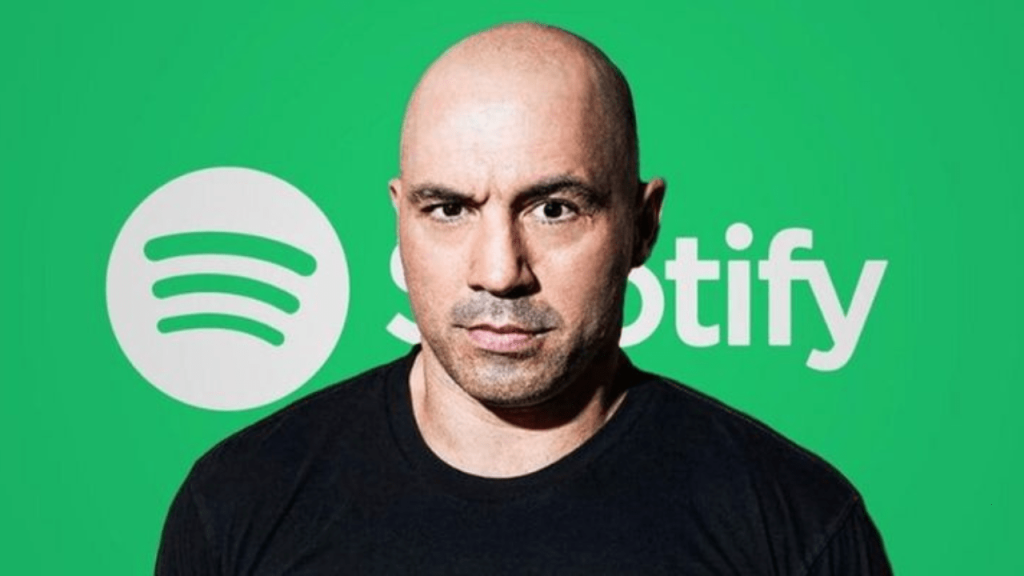
Joe Rogan’s Spotify deal was a pivotal turning point in his career, reshaping the podcasting landscape and increasing his influence as a media personality. Announced in May 2020, this exclusive licensing agreement with Spotify, reportedly valued at $100 million, was more than just a financial milestone that signaled the growing power of podcasts as a mainstream media force. In return, by associating with Spotify, Rogan put down roots on a platform that gave him a broader reach and further cemented his position as a trailblazer in digital content. It also proved how podcasting could be a medium of content creation that was gaining ground, making lots of money, having an impact, and filling the gap between independent content creators and large corporate giants.
For Rogan, this moment reset the arc of his career with great opportunity, reach, and a whole host of complicated considerations around exclusivity and artistic control. This article takes a deeper dive into how the Spotify deal changed everything about Rogan’s career – from what he puts out to who listens to him and his eventual legacy.
From stand-up comedian to podcasting giant
To understand the implications of his Spotify deal, it’s important to understand Rogan’s trajectory. Joe Rogan is a comedian who started off doing stand-up in the late 1980s and enjoyed television fame as an actor in shows like NewsRadio and as the host of Fear Factor in the 1990s. With everything that was going for him in the TV world, it was his curiosity about big ideas, different people, and uncomfortable subjects that made him valuable to Spotify.
In 2009, Rogan launched The Joe Rogan Experience (JRE), a long-form podcast where he interviewed comedians, scientists, athletes, and thinkers. His podcast’s conversational format makes it one of the most followed podcasts, positioning him as one of the most influential voices in the podcast world. By 2020, JRE boasted millions of listeners per episode, making it a powerhouse in the independent media space.
The Spotify deal: a game-changer
This deal was the first of its kind with Spotify and transformed contract deals in the entertainment world: Rogan’s deal with Spotify granted Spotify exclusive streaming rights. The arrangement has proved pivotal, giving him creative control over JRE while allowing him to enjoy the benefits, financially and otherwise.
The Spotify deal marked the platform’s effort to dominate the podcasting market. To secure JRE, Spotify developed a flagship program that draws millions of listeners. The partnership meant unparalleled resources for Rogan, from Spotify’s robust distribution infrastructure and data analytics to its global reach. The move also spoke to a shift in podcast monetization, as content creators realize that exclusive licensing may be better than traditional ad revenue models.
Expanded reach and global influence
More apparent ramifications of this Spotify deal were the sudden growth of the JRE audience. Before Rogan’s partnership with Spotify, JRE existed on every platform. While the early exposure was quite good, the global footprint provided by Spotify allowed it to reach many untouched demographics. Indeed, Spotify’s investment into international markets amplified this even further, introducing new listeners to JRE, a feat that the podcast had not yet achieved.
This came with its set of trade-offs, however. With the exclusivity deal, other platforms saw the shifting of fans who wanted continued access to the show over to Spotify. While that fortified Spotify’s position as one of the podcasting leaders, it also brought fresh debate about accessibility and possibly alienating loyal listeners.
Creative freedom and controversy
A hallmark of Rogan’s podcasting style has been his unfiltered approach to discussions. The deal instantly raised questions about whether such artistic freedom would suffer. Early in the partnership came a test of how reassurances by Rogan, who insisted he would retain full control of content, would be assessed. Reports emerged that several old, controversial episodes sparked debate among Spotify employees and top executives over whether to place them on the platform.
The controversy epitomized the tension between maintaining artistic independence and aligning with a corporate partner’s values. Through all this, Rogan continued to host a wide array of guests – from scientists like Elon Musk to polarizing figures like Alex Jones. That commitment to diverse viewpoints bolstered Rogan’s brand as a champion of free speech but also attracted criticism for platforming individuals accused of spreading misinformation.
Financial and industry impact
The financial repercussions of the Spotify deal reached far beyond Rogan’s wallet. By snagging one of the world’s most popular podcasts, Spotify set a new bar for the value of exclusive content. A $100 million deal showed that podcasts weren’t some niche medium but a valuable part of the entertainment world. That realization sparked other platforms to invest in podcasting, creating a wave of acquisitions and exclusive deals.
The financial security from the Spotify deal allowed Rogan to focus entirely on content creation for the first time. Without worrying about the show’s ad revenue, he could experiment with format and topics without fear of alienating sponsors. Free from such constraints, JRE retained its sense of authenticity while benefiting from the stability of a long-term partnership.
Changing the landscape of podcasting
The implications of the Spotify-Rogan deal began to radiate throughout the podcast industry quickly. Smaller creators and independent podcasters celebrated the deal, with the validation of the potential for their medium to change the industry. At the same time, concerns arose about the consolidative effects of podcasting under major platforms. For critics, this only confirmed that exclusive deals would kill the open nature of podcasting, leading to reduced accessibility and a limit in the diversity of shows.
Spotify’s aggressive pursuit of exclusives reshaped the competitive landscape: Other platforms, most notably Apple and Amazon, began taking podcasting much more seriously and investing heavily in original content, producing subscription models, which has served high-profile podcasters well but leads to speculation about the sustainability of smaller podcasts that won’t be able to negotiate multi-million-dollar contracts.
The role of technology and analytics
Spotify’s technological infrastructure made the production and distribution of JRE even better. Spotify’s data-driven approach lets Rogan dive deep into listener behavior and create content based on audience preferences. That analytical edge gave him an advantage over traditional broadcasters, whose metrics were often less precise.
Moreover, Spotify’s platform was more open to high-quality streaming and provided tools to enhance the experience. Music and podcasts on one platform created a seamless environment for listeners, making JRE even more accessible to wider audiences. This synergy between technology and content underlined the new dynamic of media consumption.
Navigating public scrutiny
The Spotify deal brought even more visibility and public scrutiny. There was a backlash against him after some controversial episodes, including during the COVID-19 pandemic. Many critics claimed he spread misinformation on vaccines and alternative treatments; some even called for more editorial oversight from Spotify. These incidents have highlighted the challenges of balancing free speech with social responsibility.
In response to criticism, Rogan issued clarifications and emphasized his commitment to open dialogue. Spotify also did its part by adding a disclaimer to certain episodes after concerns about misinformation on the platform. These actions reflected the complexity of managing a platform that values both creative freedom and accountability.
Personal and professional growth
Besides the financial and professional milestones, the Spotify deal also marked a period of personal growth for Rogan. The resources and exposure that came with Spotify allowed him to improve his approach to podcasting, improving quality, and diversifying content. With an expanded platform, Rogan could champion causes he cared about, from fitness and wellness to free speech and intellectual exploration.
Even so, this visibility came with extra scrutiny. Rogan attracted criticism for the way he handled a variety of sensitive topics, including during the COVID-19 pandemic. His discussion of vaccines and alternative treatments led to backlash from medical professionals and public figures, calling Spotify into action. These controversies again underlined the challenges facing influence and responsibility in polarized media.
Expanding Joe Rogan’s brand
The Spotify deal created many more possibilities for Rogan to spread his brand’s umbrella. With the financial security of this partnership, he then moved on to exploit opportunities in the direction of stand-up comedy tours, merchandise, and brand partnerships. This has truly strengthened his position as an entertainer and entrepreneur on multidimensional grounds.
The association with Spotify further bolstered Rogan’s credibility among mainstream listeners. While he had been working with an extremely dedicated fan base, partnering with a large platform raised his profile and brought in new listeners and guests. This new, wider reach allowed Rogan to expose himself to an even broader range of viewpoints, enriching the content on JRE.
Rogan’s impact on free speech
One of the most discussed elements of Joe Rogan’s career after the Spotify deal is, without a doubt, his contribution to debates over free speech. Rogan’s commitment to hosting an incredibly wide array of guests, sometimes with highly controversial ideas and perspectives, was so strong that it placed him squarely within the white-hot core of discussions on the boundaries of free expression. His defenders say Rogan does his best to provide an open forum for dialogue that spurs critical thinking. At the same time, detractors question his ethics for giving a platform to those accused of spreading misinformation or extremism.
This dynamic was amplified with Spotify. As a corporate entity, Spotify comes under pressure from many stakeholders, from employees to advertisers to listeners, compelling it to enforce the same content guidelines. Free speech cuts against such expectations, while Spotify needed to balance the support for Rogan with concern over public outcry. This highlights the larger challenges that media platforms need to navigate in the digital age, indicating where the line between moderation and censorship starts.
Changes in listener behavior
The exclusivity of the Spotify deal had a notable impact on listener behavior. Rogan’s fans, accustomed to accessing JRE on platforms like YouTube or Apple Podcasts, had to adapt to a new, centralized distribution model. While many loyal listeners transitioned to Spotify, some expressed frustration with the platform’s interface or the need to create new accounts.
The figures from Spotify itself, however, showed a spike in podcast consumption after Rogan’s migration. The change showed the power of exclusive content to drive user engagement and grow audience demographics. Studying these patterns allowed Spotify to narrow down its strategy regarding podcasts: high-profile acquisitions of popular talent and user-friendly features to keep listeners around.
Future prospects for Rogan and Spotify
With Rogan’s Spotify deal having recently been renewed, there is speculation over what might come next for this partnership.
Spotify invested in exclusive content, and the success of the new deal will validate its strategy while raising questions about its sustainability. Platforms like Spotify depend on star creators such as Rogan. This reflects the risks that come with over-consolidation amidst competitors fighting to get market share. The future course his career takes now will set parameters for collaboration between future platforms and their creators in the vast podcasting landscape.
Legacy and long-term impact
This Spotify deal is a constant reminder of how podcasting has continued evolving. It took podcasting from a grassroots phenomenon to the cornerstone of digital media, inspiring a new generation of creators to pursue opportunities in the space. For Rogan, the deal cemented his status as a media mogul, blending artistic independence with corporate partnership.
How well this exclusive model scales as listeners increasingly expect more free and accessible content that is more diverse remains to be seen. Meanwhile, Spotify’s investment in podcasting has put pressure on other platforms to innovate in a more dynamic and competitive landscape.
Broader cultural ramifications
The Spotify deal signaled some great cultural changes in how people consumed media. This rising podcast medium reflects shifting preferences from an audience that increasingly prefers content on demand and in longer form than traditional broadcast formats would support. Independent creators now look to Rogan for cues on how to shake the hierarchies of the mediascape and confront notions of authority and expertise.
The Spotify deal also underlined how authenticity can create audience loyalty. Rogan’s tendency to discuss controversial subjects and host controversial guests seemed to gel with listeners who were weary of filtered content. Authenticity became a big part of his brand, separating him from all other mainstream broadcasters.
The bottom line
For Joe Rogan, the Spotify deal was more than a milestone in his career. It was a transformative event that transformed the podcasting industry and solidified his status as a cultural icon. The deal’s impact on his career, audience, and the bigger media landscape underlines podcasts’ power as a modern storytelling medium. It shows new ways in which creators push the boundaries of digital content even further. Moreover, it changed how audiences consume digital media, raising podcasting to a rank not seen before in cultural conversations and opening up more avenues for independent voices. As podcasting continues to grow, Rogan’s experience serves as a blueprint for balancing creative independence with the demands of a corporate partnership, cementing his legacy in the evolving media landscape.
