
Mark Cuban’s Role in Politics: Analyzing His Advocacy and Influence
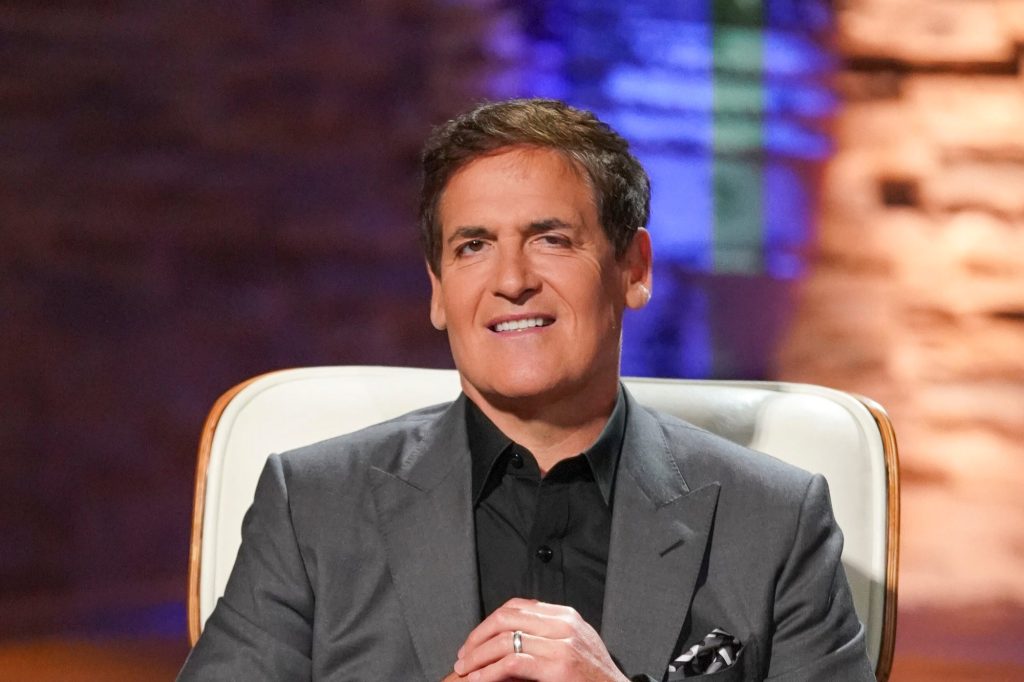
Mark Cuban, a billionaire entrepreneur and owner of the Dallas Mavericks, is widely known for his outspoken and often provocative public policy and political views. His role in politics extends beyond traditional partisan lines, influencing various facets of American society. This article delves into Mark Cuban’s political views and advocacy, his influence on public discourse, and the implications of his actions.
Entrepreneurial Beginnings and Political Awareness
Mark Cuban’s political views have evolved quite a lot. His journey to political prominence began with his entrepreneurial successes. Founding Broadcast.com in the late 1990s and later selling it to Yahoo for billions, Cuban amassed significant wealth and a platform from which to express his views. His business acumen and public persona as a savvy investor on the television show “Shark Tank” further amplified his voice. Cuban’s entrepreneurial background has informed his political perspectives, particularly on economic policies, taxation, and regulatory frameworks. His advocacy often emphasizes the importance of innovation, entrepreneurship, and a free-market economy, aligning with his belief in minimal government interference in business operations.
His early experiences in the business world also exposed him to the intricacies of government regulations and their impact on startups and established enterprises. This firsthand knowledge fueled his desire to influence policies that foster a favorable environment for innovation and business growth. Cuban’s journey from a tech entrepreneur to a public figure has provided him with a unique perspective on the intersection of business and politics, enabling him to advocate for policies that balance economic growth with social responsibility.
Mark Cuban’s Political Views in Advocacy for Economic Reform
Cuban’s most notable political contributions lie in his advocacy for economic reform. He has consistently voiced his opinions on tax policies, arguing for a more progressive tax system that ensures the wealthy contribute their fair share. Cuban believes that a fair tax system can reduce income inequality and provide essential services to those in need. He supports closing loopholes that allow corporations and high-net-worth individuals to evade taxes, advocating for a tax policy that promotes social equity without stifling economic growth. His pragmatic approach to taxation reflects his broader economic philosophy, which balances fiscal responsibility with social justice.
Additionally, Cuban has highlighted the inefficiencies in the current tax system, advocating for simplification and transparency. He argues that a convoluted tax code disproportionately benefits those who can afford to exploit its complexities. By proposing a streamlined tax system, Cuban aims to level the playing field and ensure that all citizens and businesses contribute fairly. His views resonate with many Americans who feel the current tax system is rigged against the average taxpayer.
Cuban’s stance on economic reform extends to his critique of excessive corporate influence in politics. He has often called out the undue influence of big corporations and lobbyists on policy-making, arguing that it skews the system in favor of the wealthy and powerful. By advocating for campaign finance reform and greater transparency in political donations, Cuban aims to reduce the influence of money in politics and restore trust in the democratic process.
Health Care Reform
Healthcare reform is another area where Mark Cuban has exerted significant influence. He has been a vocal advocate for reducing the cost of prescription drugs, frequently criticizing pharmaceutical companies for their pricing strategies. Cuban’s involvement in this sector includes his venture, the Mark Cuban Cost Plus Drug Company, which aims to provide affordable medications by eliminating middlemen and maintaining transparent pricing. This initiative underscores his commitment to making health care more accessible and affordable for all Americans, aligning with his broader goal of addressing systemic inequities in society.
Cuban’s approach to health care reform is rooted in his belief that transparency and competition can drive down costs and improve quality. He has called for increased competition in the pharmaceutical industry, arguing that monopolistic practices lead to inflated prices and reduced access to essential medications. By promoting transparency in pricing and encouraging competition, Cuban seeks to create a more equitable healthcare system that prioritizes patient welfare over corporate profits.
His advocacy for health care reform also encompasses broader systemic changes. Cuban has supported policies that aim to expand access to healthcare services, particularly for underserved and marginalized communities. He believes that a robust public health system is essential for social stability and economic productivity. By addressing the root causes of healthcare disparities, Cuban’s initiatives aim to improve overall health outcomes and reduce the long-term costs associated with untreated conditions.
Political Independence and Presidential Ambitions
Mark Cuban’s political independence sets him apart from many public figures. He has expressed dissatisfaction with both major political parties in the United States, criticizing their inability to address critical issues effectively. This independent stance has led to speculation about his potential presidential run, with Cuban himself acknowledging the possibility. Although he has not committed to a campaign, his willingness to challenge the status quo and present alternative solutions resonates with a segment of the electorate disillusioned with traditional politics.
Cuban’s independent stance allows him to evaluate policies and candidates based on merit rather than party affiliation. He has supported candidates from both sides of the aisle, provided they align with his values and priorities. This approach has garnered respect from those who are tired of partisan gridlock and seek pragmatic solutions to pressing issues. Cuban’s potential presidential ambitions underscore his commitment to challenging the status quo and advocating for systemic change.
His consideration of a presidential run reflects his desire to bring a fresh perspective to national leadership. Cuban’s business background and problem-solving approach appeal to voters who prioritize practical solutions over ideological purity. While he has yet to make a definitive move toward a presidential campaign, his potential candidacy continues to generate interest and speculation in political circles.
Influence on Public Discourse
Cuban’s influence extends beyond policy advocacy; he has a significant impact on public discourse through his social media presence and media appearances. His candid, often unfiltered communication style appeals to a broad audience, allowing him to shape public opinion on various issues. Cuban’s commentary on economic policies, health care, and political reform reaches millions, encouraging public engagement and debate. His ability to connect with everyday Americans, combined with his business success, lends credibility to his viewpoints, making him a powerful voice in contemporary political discourse.
Cuban’s use of social media as a platform for political commentary reflects his understanding of modern communication dynamics. He engages with his followers in real time, addressing their concerns and responding to their questions. This direct interaction fosters a sense of community and makes Cuban’s political advocacy more relatable and impactful. His willingness to engage with diverse perspectives and address controversial topics head-on sets him apart from many public figures who avoid contentious issues.
In addition to social media, Cuban leverages traditional media outlets to amplify his messages. His appearances on news programs, podcasts, and talk shows provide him with platforms to discuss his views on pressing issues. Cuban’s media presence ensures that his perspectives reach a wide audience, influencing public opinion and sparking conversations on topics ranging from economic policy to social justice.
Tech and Innovation Policy
Mark Cuban is a staunch advocate for technological innovation and its role in shaping the future of the economy. He has emphasized the importance of investing in technology and education to maintain America’s competitive edge in the global market. Cuban has called for increased government funding for research and development, as well as policies that support startups and tech entrepreneurs. His advocacy for technology policy reflects his belief that innovation is crucial for economic growth and societal progress, aligning with his broader vision of a dynamic, forward-looking economy.
Mark Cuban’s political views on technology policy are informed by his own experiences as a tech entrepreneur. He understands the challenges and opportunities facing startups and is a vocal proponent of creating an environment that fosters innovation. Cuban has advocated for reducing regulatory burdens on startups, providing tax incentives for research and development, and improving access to capital for emerging companies. By championing these policies, he aims to create a vibrant tech ecosystem that drives economic growth and job creation.
Furthermore, Cuban has highlighted the importance of digital literacy and education in preparing the workforce for the future. He believes that investing in STEM (science, technology, engineering, and mathematics) education is essential for maintaining America’s technological leadership. Cuban’s advocacy for tech education includes support for initiatives that promote coding and computer science in schools, aiming to equip the next generation with the skills needed to thrive in a technology-driven economy.
Critic of Ineffective Governance
Cuban has not shied away from criticizing government inefficiency and ineffectiveness. He has often pointed out the bureaucratic red tape and lack of accountability that hampers effective governance. His critiques are not limited to any single administration or political party; instead, they target systemic issues that hinder progress. Cuban’s call for greater transparency, accountability, and efficiency in government operations resonates with many Americans frustrated with the current state of governance.
Cuban’s criticism of government inefficiency is rooted in his belief that public institutions should be held to the same standards of accountability and performance as private enterprises. He has advocated for performance-based evaluations of government programs, greater transparency in government spending, and the elimination of unnecessary regulations. Cuban’s proposals aim to streamline government operations and ensure that taxpayer dollars are used effectively to serve the public interest.
His advocacy for government reform includes support for policies that increase citizen participation and oversight. Cuban has called for greater use of technology to improve government transparency and accountability. By promoting open data initiatives and digital platforms for citizen engagement, he seeks to empower individuals to hold public officials accountable and participate actively in the democratic process.
Social Issues and Community Engagement
Beyond economic and health care policies, Cuban has also engaged with social issues, advocating for criminal justice reform and educational equity. He has supported initiatives aimed at reducing recidivism and providing opportunities for formerly incarcerated individuals. Cuban’s commitment to social justice is evident in his philanthropic efforts, which often focus on empowering marginalized communities and fostering social mobility. His work in this area highlights his belief in the importance of addressing systemic barriers to equality and opportunity.
Cuban’s advocacy for criminal justice reform includes supporting policies that reduce mandatory minimum sentences, improve rehabilitation programs, and provide reentry support for formerly incarcerated individuals. He has also called for increased funding for public education, arguing that a strong education system is essential for social mobility and economic opportunity. Cuban’s philanthropic efforts, including donations to educational institutions and community programs, reflect his commitment to creating a more just and equitable society.
Additionally, Mark Cuban’s political views have carried a lot of weight in society. Cuban has been a vocal advocate for racial and social justice. He has spoken out against systemic racism and inequality, supporting movements and organizations that seek to address these issues. His involvement in social justice initiatives underscores his belief that a fair and inclusive society is essential for overall progress. Cuban’s advocacy in this area extends to promoting diversity and inclusion within the business community, encouraging companies to adopt practices that foster equity and representation.
Global Perspective and International Relations
While Cuban’s primary focus is on domestic issues, he has also expressed opinions on international relations and global economic policies. He has advocated for trade policies that protect American interests while promoting global cooperation. Cuban’s pragmatic approach to international relations reflects his broader belief in balancing national priorities with global responsibilities. His views on international trade, immigration, and foreign policy add a global dimension to his political advocacy, emphasizing the interconnectedness of modern economies and the importance of collaborative solutions to global challenges.
Cuban’s views on international relations are informed by his experiences as a global entrepreneur. He understands the complexities of global markets and the importance of international cooperation in addressing global challenges. Cuban has advocated for trade policies that protect American jobs while promoting fair competition and global economic growth. His stance on immigration reflects his belief in the value of diversity and the contributions of immigrants to the American economy and society.
Cuban’s approach to foreign policy includes a focus on fostering international partnerships and alliances. He has emphasized the importance of diplomacy and multilateral cooperation in addressing global issues such as climate change, cybersecurity, and international security. By advocating for policies that promote global collaboration, Cuban seeks to ensure that the United States remains a leader in addressing global challenges while protecting its national interests.
The Bottom Line
Mark Cuban’s political views exemplify the intersection of entrepreneurial success and public advocacy. His influence spans economic reform, health care, technological innovation, and social justice, reflecting a holistic approach to addressing systemic issues. By leveraging his platform and resources, Cuban has become a pivotal figure in contemporary political discourse. For more insights on influential figures in politics, visit AdviceScout, your go-to source for expert advice and analysis.
For more information about Mark Cuban, visit The New York Times
