With the rapid growth of digital research, MLA citation generators have changed from simple formatters into intelligent aids. Through testing on a range of platforms, I discovered how software like Koke AI can balance automated technology with academic rigour. This is essential in a time when 70% of college students confess mistakes in their citations. Let’s explore how modern MLA citation tools can improve efficiency and address the credibility issues of academia.
Platform Deep Dives: Capabilities & Constraints
1. Koke AI: The Precision Architect
Goal:
To streamline complex workflows for attribution.
Core Mechanics:
Context-Aware Parsing: Unlike static software, Koke AI’s MLA Citation Generator examines hierarchies in the source (e.g., nested articles in journals) using semantic AI. In tests, it accurately detected a poem’s compiler’s origins, a detail that many rivals didn’t recognize.
Dynamic Bibliography Builder sorts sources according to their relevant media type and content. This allows the export of CSV to write reviews on literature.
User Experience:
The minimalist design of the interface may appeal to scholars. However, there were a few delays that resulted from processing 50+ sources at once. The actual-time updates for MLA 9th edition have eliminated the need for manual cross-checking – a time-saving benefit.
2. Grammarly Citations: The Multitasker’s Ally
Strategic role:
Embedding citations into larger editing ecosystems.
Standout Traits:
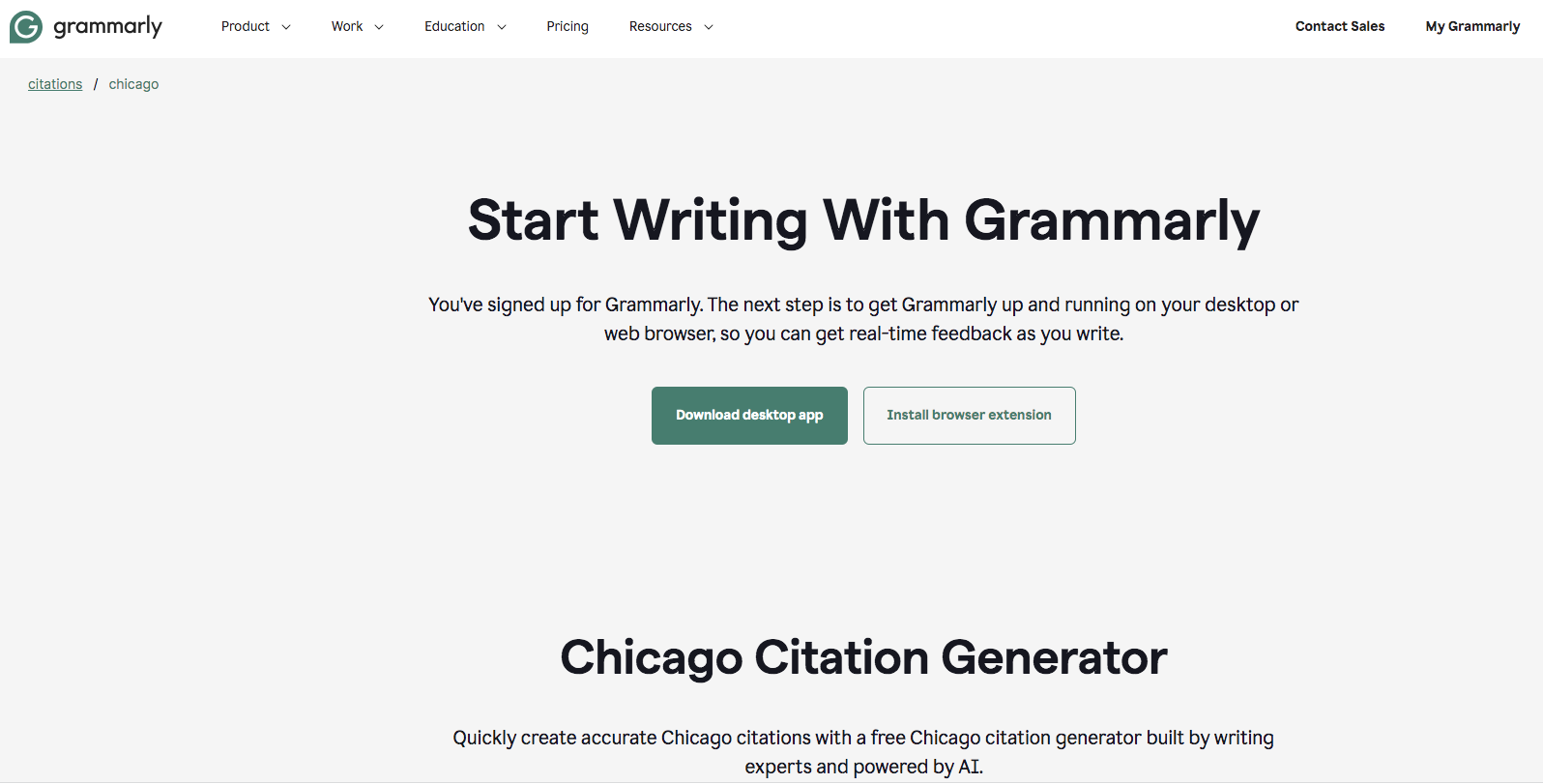
In-Editor Integration MLA Citation Generator is activated along with grammar checks, recommending quotations as you type. When working on collaboration, this reduces the need to switch between tabs.
Plagiarism Syncing Premium plans include the originality report for citations.
Highlighting paraphrases without citations.
Trade-offs:
The database’s sources tend to be traditional publications. It also struggles with humanities archives that specialize in niche fields. A 2024 study showed an accuracy of 82% for the current journals; however, only 64% accuracy for earlier texts.
3. BibGuru: The Scholar’s Time Machine
Mission:
Accelerating the research of historical documentation.
Innovations:
Archive Mode: Created to work with rare items, the MLA reference generator can handle documents, letters, and oral stories. Entering a diary entry from the 19th century led to prompts smart enough to search for the title of containers as well as repository location.
Classroom Templates: Teachers can build reading lists in advance and then create ready-for-student citation exercises.
Limitations:
The software doesn’t offer real-time collaboration capabilities and requires manual CSV imports for groups of projects. Large-scale operations (50plus numerous citations) need a premium upgrade.
4. Chegg Writing Suite: The Student’s Safety Net
The Audience Focus:
Research by undergraduates using the scaffolding method.
Notable Features:
Guided Workflow MLA Citation Generator guides users through the selection of source types, perfect for MLA beginners. Additionally, interactive examples demystify “volumes” vs. “issues” distinctions.
The Tutoring Add-Ons include the ability to live-chat with students about citations. No need for last-minute library trips.
Caveats:
Ad-heavy, free versions can disrupt the workflow. Additionally, the accuracy of the citation drops by 18% in non-English sources, compared to Koke AI’s own multi-lingual corpus.
Strategic Selection Guide
Graduate Researchers: They can prioritize Koke AI for complex projects as well as BibGuru to help with archival research.
Teachers: Chegg’s templates and Grammarly’s integrations maximize efficiency in classrooms.
None of the MLA citation tools mentioned above is universally superior on its own. However, Koke AI’s equilibrium of speed and flexibility is a great resource to meet the ever-changing demands of research. In the coming years, as AI starts curating information itself, instruments that blend accuracy with educational value. For example, tools like Koke AI’s new mentorship module will make the academic world more credible. Do not choose a mere formatter but instead a companion in intellectual rigor.