
Top 6 Questions to Ask When Shopping For Recycled Diamonds
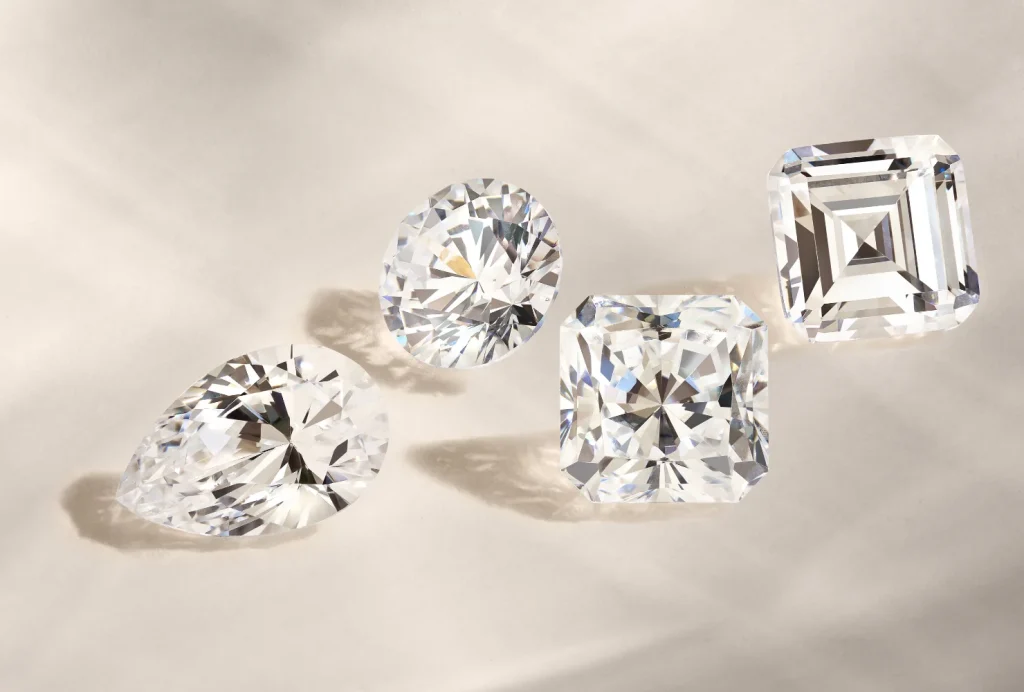
Traditionally, diamonds were the preserve of social elites. Getting flawless diamond-encrusted jewelry was, in itself, an undertaking. Besides, the gemstones came at ridiculously hefty price tags. Now, make no mistake – diamonds are still considerably pricey. But thanks to a growing interest in recycled diamonds, more people can now access these stones without paying through the nose.
Recycled diamonds can be remarkably cost-effective yet just as sparkly as newly mined diamonds. They’re also sustainable and eco-friendly since they can be repurposed without exploiting natural resources. Investing in recycled diamonds also fosters ethical sourcing practices. You can confidently display these exquisite gemstones without the nagging fears that social injustices were committed during mining.
Thanks to their long list of benefits, it’s unsurprising that the global demand for recycled diamonds is steadily surging.
However, shopping for pre-owned diamonds still requires in-depth research and due diligence. Below are the top six questions to ask before buying recycled diamonds.

Photo Credit: Pixabay.com
Is It Really Recycled?
This is the most fundamental question to settle while shopping for recycled diamonds.
Now, recycled diamonds aren’t always distinct from their brand-new counterparts. The stone may be in excellent condition, depending on the duration the previous owner had it, how well it was cared for, and whether it was thoroughly polished during restoration.
So, in most cases, you’ll simply have to take the seller at their word.
That said, it’s best to watch out for any blemishes. Visible scratches and yellowish or brown hues are tell-tale indications of a diamond that has seen better days. Repurposed diamonds may also sport outdated cuts and shapes, especially if they are heirloom diamonds.
However, note that many blemishes on recycled diamonds aren’t always immediately visible to the naked eye. Check the diamond’s certification report and ensure it captures all the flaws on its product description page.
Where Do You Buy Your Diamonds From?
This question can attract responses based on the seller’s perception of your intentions.
However, the primary focus should be how a store obtains its repurposed diamonds. Standard suppliers include individuals, pawnshops, retailers, and other diamond dealers.
While it’s easier to trace the origin of diamonds obtained from local pawn shops and retailers, we cannot say the same for other jewelry dealers. Tracking a diamond through the supply chain is even harder if sourced from overseas manufacturers.
But why does this information matter?
Locally sourced recycled diamonds may be considerably more cost-effective than those from international jewelers. Besides, there’s a chance you probably know the original owner, which allays any fears of unethical sourcing.

Photo Credit: Pixabay.com
Is It Ethically Sourced?
Recycled diamonds are essentially pre-owned diamonds returned to the supply chain. Therefore, they were most likely mined at some point.
To ensure recycled diamonds are truly conflict-free, inquire about their origin and history.
When buying diamonds from previous owners, responsible jewelers implement robust measures to ensure the original gemstones are ethically mined. Some of those strategies include requesting the diamond’s Kimberley Process certification and any origin reports from accredited gemological laboratories.
Similarly, people demand to see this information before purchasing pre-owned diamonds. It’s the only solid evidence that the stone is truly conflict-free.
Is It Natural Or Lab-grown?
To meet the surging demand for diamonds, jewelers have made concerted efforts to produce the gemstones artificially in laboratories.
Lab-grown diamonds are relatively more affordable than natural diamonds, as they can be manufactured in abundance. Besides, lab-grown diamonds are available in larger sizes and are easier to standardize.
Meanwhile, natural diamonds possess unique attributes that impact their sentimental value and resale price.
To justify the listing price of a recycled diamond, it’s prudent to understand whether it was naturally mined or lab-grown. Again, such critical information should be readily available in a gemological report.

Photo Credit: Pixabay.com
Does It Come With A Gemological Report?
Whether you’re shopping for a newly mined or pre-owned diamond, the stone should have valid certification from an accredited gemologist.
Noteworthy diamond certification bodies include the Gemological Institute of America (GIA), the American Gem Society (AGS), and the Hoge Raad Voor Diamant (HRD).
A diamond report fully describes the stone’s quality and value. It notably highlights its cut, carat, color, and clarity, famously known as the four Cs.
Depending on the gemologist, a diamond report might contain other helpful information, including where the stone was mined and its previous owners.
How Much Does It Cost?
Cost may be the last consideration when shopping for recycled diamonds. There are not many unexpected expenses associated with such purchases, but it’s no less important.
Like newly mined diamonds, the cost of repurposed diamonds depends primarily on their characteristics. For instance, round-cut diamonds can be up to 50% pricier than fancy-cut diamonds, even before considering the other parameters.
The cost of recycled diamonds also depends on whether they are natural or lab-grown and whether they bear a gemological report.
To get the best value for money, ask the seller to either analyze the diamond professionally at their expense or factor in those expenses when negotiating the final price. For perspective, the GIA charges $150 – $300 for diamond certification.
Photo Credit: Pixabay.com
Final Word
Getting satisfactory answers to these questions is the first step in finding flawless, ethically sourced recycled diamonds. Remember to always prioritize the 4 Cs while shopping for pre-owned diamonds. Establish that the gemstone comes in your favorite cut, carat, color, and clarity. As with their brand-new counterparts, recycled diamonds must bear certification reports from accredited gemologists.

