
What Is Elon Musk’s Salary As Ceo Of Tesla, And How Has His Net Worth Changed Over Time?
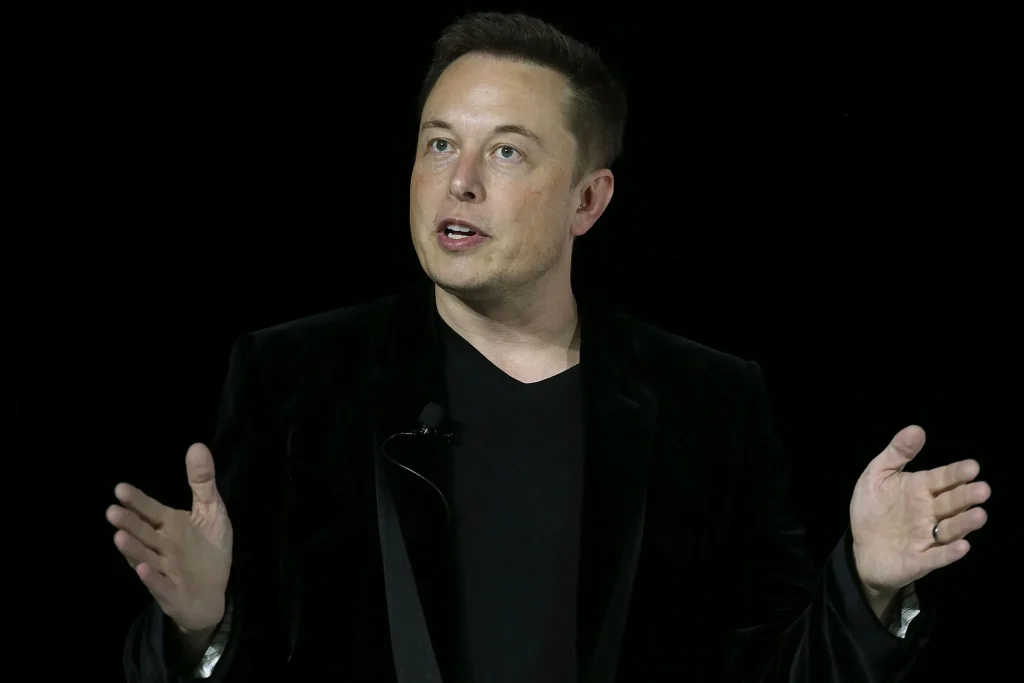
Elon Musk ranks among the wealthiest individuals, but he does not rely on a traditional paycheck. As Tesla’s CEO, he has opposed a normal salary for many years. His compensation is listed as zero dollars, but his wealth has grown through stock-based payouts connected to bold performance targets. This setup makes his net worth unpredictable. It fluctuates based on the stock market and Tesla’s stock value. While most CEOs receive yearly bonuses, Musk’s earnings depend on the value he generates for investors. This approach has sparked both praise and debate.
No-Dollar Paycheck
Since 2018, Tesla hasn’t given Elon Musk a base salary. At one point, California law required Tesla to pay him a minimum wage, but Musk refused to take it. Later, Tesla confirmed he never accepted any of those payments.
Most CEOs take home big salaries, bonuses, or stock options, no matter how their companies perform. Musk turned down that approach. Instead, he agreed to earn money if Tesla reached massive growth targets. This agreement became the foundation of one of the boldest pay deals in corporate history.
The 2018 Compensation Plan
Tesla’s board rolled out a bold plan in January 2018. It had no cash rewards or promised bonuses.
Instead, Musk got the chance to earn 12 chunks of stock options. He could unlock each chunk if Tesla reached certain business and financial goals. These goals included:
- Boosting Tesla’s market worth from $100 billion to $650 billion.
- Hitting revenue targets that grew to $175 billion.
- Achieving adjusted EBITDA goals (earnings before interest, taxes, depreciation, and amortization).
Musk earned stock options worth billions each time Tesla hit one of these milestones. If Tesla missed them, he got zero. Critics said the deal was ridiculous. Shareholders still gave it the green light.
Why? If Musk reached every target, Tesla would turn into a top global company. And that’s what happened.
Meeting Goals: Multi-Billion Payouts
By 2020, Tesla reached its goals quicker than most people anticipated. Its stock price shot up. Sales climbed. The company’s market value crossed $500 billion. By the end of 2021, Tesla’s worth had gone over $1 trillion.
Musk started unlocking one tranche after another. Each tranche allowed him to buy millions of Tesla shares for a reduced price $70 per share. Meanwhile, Tesla’s stock was trading at more than $700. The massive price gap applied to millions of shares, made each tranche valued at around $1–$2 billion.
By late 2021, Musk had unlocked 11 out of 12 tranches. This gave him the option to purchase more than 100 million Tesla shares at a steep discount. On paper, the gains placed him as the wealthiest person alive.
Selling Shares to Cover Taxes
Even though Musk got those stock options for free, using them came at a price. He had to deal with a massive tax bill. In 2021, he started selling Tesla shares to handle this tax payment, which he said would be more than $11 billion that year.
This turned out to be one of the biggest personal tax payments in U.S. history. The news followed a public argument on Twitter where Senator Elizabeth Warren called Musk a “freeloader.” Musk shot back, saying he would end up paying more taxes than anyone ever had before.
This situation showed how complicated Musk’s fortune is. He doesn’t earn income in the usual way. Most of his wealth is tied up in stocks—it’s only real money when he cashes them out.
The Ups and Downs of Net Worth
Musk’s fortune is tied with the performance of Tesla stocks. When Tesla’s value goes up, Musk gets richer; when it falls, his net worth suffers big-time. At the beginning of 2021, the total valuation of Musk’s assets crossed the $185 billion-mark, surpassing Jeff Bezos for the very first time. By the end of the same year, his wealth stood at almost $300 billion.
Things turned in 2022. Higher interest rates brought a plunge in the Tesla stock price, coupled with growing supply-chain problems due to Musk’s controversial Twitter acquisition. That was enough for Musk’s net worth to see a $100-billion reduction within a single year. It marked the biggest wealth loss within a year that was ever recorded.
By early 2023, his fortune started bouncing back when Tesla’s stock prices began to recover. However, the situation highlighted just how shaky his wealth is, at least on paper.
Net Worth Breakdown
While other wealthy people prefer to diversify, much of Musk’s wealth is tied up in a handful of assets.
- Tesla: More than 60% of Musk’s wealth is directly from the stock that he holds in, and the options on, Tesla.
- SpaceX: The private valuation of SpaceX is greater than $150 billion; Musk owns 42% of it.
- Other companies: Musk also has stakes in other ventures, such as Neuralink, X (Twitter), and The Boring Company.
By early 2025, after weeks of fluctuation in Tesla’s share price, Musk’s net worth is hovering just shy of $220 billion; Musk himself seldom has ready cash in hand, but it is the ownership of these multi-billion-dollar enterprises that gives him a certain respectability few have.
The Twitter Journey and How Wealth Is Viewed
Once again in 2022, Musk stole the thunder by buying Twitter at $44 billion. To fund the acquisition, he sold a large amount of Tesla stock. That decision rattled investors. Tesla’s stock value went down, which also lowered Musk’s net worth.
Some said he was losing focus. Others thought it proved how unpredictable he could be. Musk argued that buying Twitter was essential to promote “free speech” and encourage public discussions. He rebranded Twitter as “X,” cut its workforce, and introduced a subscription system.
The purchase didn’t increase his wealth. Twitter’s value dropped, and the move stirred up political debates. Despite that, it underscored something clear: Musk is willing to gamble his fortune on ideas that matter to him, even when it means losing billions.
What’s the Next Pay Deal?
With Tesla wrapping up its 2018 pay plan, what’s coming next?
The board hasn’t signed off on an official new pay setup yet, but people keep guessing. Will Musk opt for another stock-focused reward system linked to future milestones? Or could he go in a different direction?
Some investors feel uneasy. They fear Musk might have too much control, raising governance concerns. On the flip side, given Tesla’s impact on the automotive industry, others think Tesla wouldn’t grow the same way without Musk in charge.
Tesla’s Approach: Bold Vision Over Safe Choices
Musk’s Tesla pay plan changed how people see executive pay by rewarding long-term success instead of short-term gains.
But it also caused massive inequality. At one time, Musk had more money than half of all Americans combined. That makes plenty of people uneasy. Can society be truly fair to everyone when so much influence rests in the hands of one individual?
Musk’s supporters say he deserves it. His companies shook up industries and made thousands of jobs. Critics call out poor working conditions in Tesla factories, claims of stopping unions, and the ever-growing wealth gap. The reality is complicated. Musk shows both the opportunities and risks of today’s capitalism.
How Musk Views Wealth
Musk’s views about money are unusual. He doesn’t spend on luxury. He skips yachts and pricey art. For a while, he even lived in a tiny 375-square-foot prefab house.
He looks at wealth as a way to power big goals. Musk uses it to back ideas like creating a Mars colony or changing how the energy grid works. He explains it saying, “I am accumulating resources to extend the light of consciousness.”
This mindset might seem unusual to some. But it shapes how he acts. He doesn’t treat money like most people. To him, it’s a tool to achieve goals to propel humanity forward.
Net Worth Compared to Net Impact
Looking at Musk’s raw numbers doesn’t tell the full story. His wealth is massive, but so is his reach.
Tesla pushed forward the electric vehicle movement. SpaceX slashed rocket launch costs, Starlink is creating internet access in far-off places, and Neuralink might one day assist people living with paralysis. These ventures go beyond normal companies. They are bold attempts to change how humans live.
Seeing this as inspiring or risky depends on how you view control. Musk isn’t just wealthy—he is rewriting the playbook.
The Bottom Line
Elon Musk gets no official paycheck as Tesla’s CEO. Instead, he uses one of the boldest pay systems ever designed, to grow his wealth, which rises and falls depending on Tesla’s achievements. His fortune has shifted by hundreds of billions over the years. At some point, he became the wealthiest person in the world. Even so, he avoids flashy spending and puts his money into projects instead of luxury homes. His compensation plan has reshaped how people measure CEO success. It connects wealth to results like no system has done before.
