
Why Power Cable Quality Matters for Business Continuity
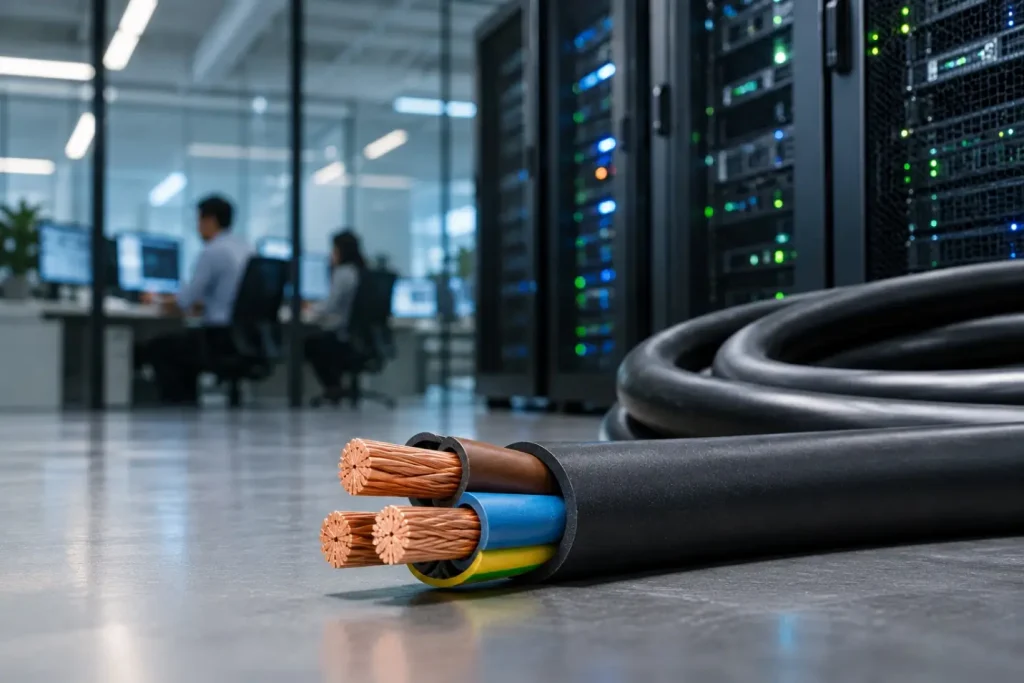
Imagine a busy workday when the lights suddenly go out, machines stop running, and staff cannot finish their tasks. A problem with the power supply can bring normal business activity to a halt. While many companies focus on generators, backup systems, and other large equipment, they may overlook something just as important: the cables that carry power to their equipment.
Poor-quality cables can lead to power loss, damaged equipment, safety risks, and costly delays. Good cable choices help businesses keep their systems running and reduce the chance of unexpected problems. Here are six reasons why power cable quality plays an important role in business continuity.
1. Quality Cables Help Reduce Unexpected Downtime
Every business depends on electricity in some way. Offices need power for computers and communication systems, while factories rely on it to run machines and production lines. Even a short power problem can affect daily work.
A damaged or poorly made cable may cause loose connections, overheating, or an unstable power supply. This can lead to equipment shutting down without warning. If the problem affects an important part of the operation, the whole team may have to stop working until repairs are made. Choosing cables that suit the job can help lower the risk of electrical problems and keep work moving.
2. The Right Cable Handles the Demands of the Work Environment
Not every cable is made for every job. A cable that works well in a clean office may not last long on a busy construction site or in a wet industrial area.
Before buying cables, businesses should think about where and how they will be used. Consider factors such as:
- Temperature: Will the cable face heat from machines or outdoor weather?
- Moisture: Could it come into contact with rain, water, or damp surfaces?
- Movement: Will workers move, bend, or roll it up often?
- Load: Can it safely carry the amount of power the equipment needs?
- Physical wear: Could vehicles, tools, or heavy objects damage it?
When choosing cables for demanding work environments, it helps to look at how manufacturers design their products for different conditions. For example, Duraline’s range of power cables reflects the need for reliable power connections in industries where equipment may face heavy use, frequent movement, and changing site conditions.
Taking time to match the cable to the work environment can help prevent early wear and avoid problems during busy work periods.
3. Quality Cables Help Protect Expensive Equipment
Business equipment can cost a lot to buy, install, and maintain. A factory machine, server system, or large cooling unit may be worth thousands of dollars. Poor electrical connections can put that investment at risk.
Cables that are too small for the electrical load may overheat. Damaged insulation can also expose wires and create short circuits. These problems can affect the cable itself and may also damage the equipment connected to it.
The right cable should match the voltage, current, and working conditions of the equipment. Businesses should also check that connectors fit well and that all parts meet the required safety standards.
Spending time on cable selection can help prevent repairs and protect equipment that the business needs every day.
4. Quality Cables Improve Workplace Safety
Electrical safety should always be a priority, especially in places where workers use heavy machines or portable equipment. A damaged cable can create a risk of electric shock, burns, or fire.
This risk can be higher in places where cables face rough use. Construction sites, workshops, warehouses, and outdoor event spaces may expose cables to water, dust, heavy objects, and regular movement.
Businesses should choose cables with insulation and outer coverings suited to their work areas. For example, a cable used outdoors may need protection against moisture and physical wear. Cables used around moving equipment may need a design that can handle regular bending.
Regular checks are also important. Workers should report cuts, exposed wires, loose plugs, or signs of overheating instead of continuing to use damaged equipment.
5. Quality Cables Support Reliable Backup Power Systems
Many businesses use generators or other backup power sources to keep important systems running during an outage. However, having a backup generator is only part of the plan. The cables and connectors used to move that power must also be suitable.
A weak connection between a generator and a distribution panel can cause problems when the backup system is needed most. The same goes for cables that cannot handle the required electrical load.
Businesses should check cable ratings, connector types, and the condition of their backup power equipment. Generator cables should be suitable for the generator and the devices they supply. It is also wise to have an electrician check the setup before an emergency happens.
Testing the full system from time to time can help reveal loose connections or damaged parts before they cause a shutdown.
6. Quality Cables Can Lower Long-Term Maintenance Costs
Cheap cables may seem like a good way to cut costs, especially when a business needs many of them. But buying the lowest-priced option can lead to more spending later.
Cables that wear out quickly may need frequent replacement. A single failure can also lead to repair costs, lost work hours, and delays in customer orders. When several problems happen over time, the savings from the lower purchase price can disappear.
Good-quality cables that match the job can offer a longer service life when they are installed and cared for properly. Businesses should also keep track of cable inspections and replacements so damaged parts do not stay in use.
Final Words
Power cables play a key role in keeping business operations safe and reliable. The right choice can help reduce downtime, protect equipment, support backup power, and lower repair costs over time.
Before buying, businesses should look beyond the price tag and check the cable’s rating, build, and intended use. It is also important to follow safety rules and get help from a qualified electrician when planning or changing electrical systems. A little care at the start can help keep daily work running with fewer unwanted surprises.

