
Mark Zuckerberg’s Workout Routine: How He Got Fit for 2026
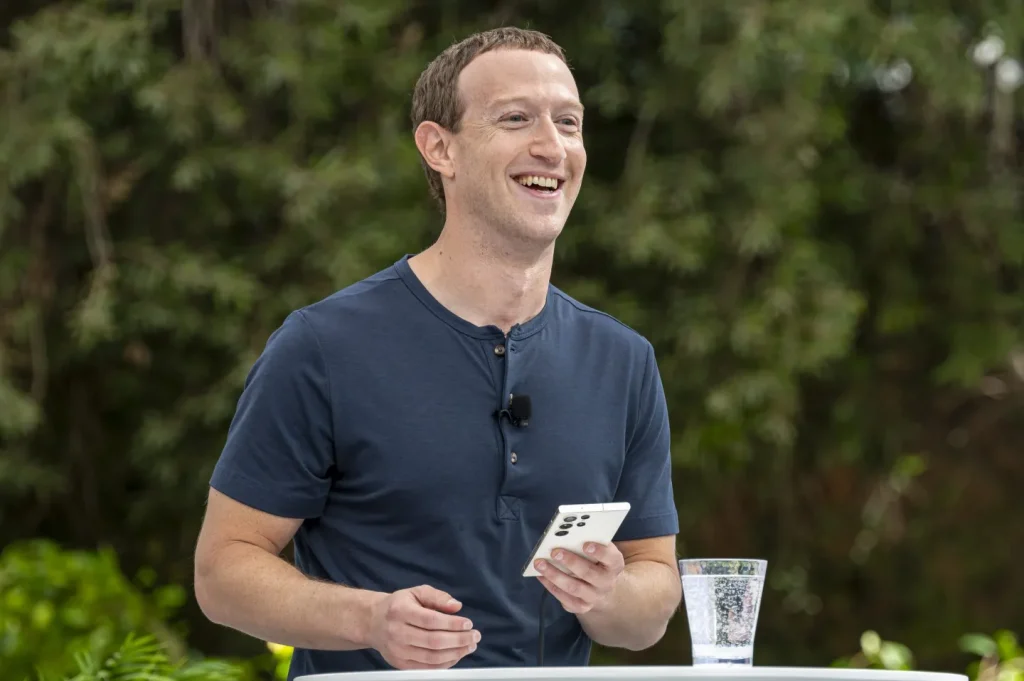
Mark Zuckerberg used to look like every other Silicon Valley CEO. He was thin, pale, and hunched over laptops for eighteen hours straight. The kind of guy who survived on Red Bull and determination, treating his body as an inconvenient biological requirement, fueled mostly by caffeine.
That version of Zuckerberg disappeared somewhere around 2020. The transformation didn’t happen overnight, but when people finally noticed, the change was dramatic. Suddenly, the Facebook founder was posting shirtless photos that showed actual muscle definition. He started learning Brazilian jiu-jitsu. He took up surfing in Hawaii. He began training in mixed martial arts with the intensity of someone preparing for actual combat.
This wasn’t a typical midlife crisis where rich men buy sports cars and start dating younger women. Mark Zuckerberg approached fitness with the same methodical obsession he’d applied to building the world’s largest social network. He studied the science, hired the best coaches money could buy, and committed to a multi-year transformation that would reshape both his body and his public image.
The Programmer’s Body Problem
The early Facebook days were brutal on Zuckerberg’s health. He’d work twenty-hour sessions debugging code, surviving on energy drinks and whatever food someone brought to the office. Sleep happened at his desk when exhaustion finally overtook ambition. Exercise meant walking to meetings—if shuffling between conference rooms could even count as exercise.
Photos from 2008 show someone who looked like he’d never seen direct sunlight. Arms that couldn’t lift anything heavier than a laptop. Shoulders that curved inward from years of hunching over keyboards. The classic programmer physique that screamed, “I solve problems with my brain, not my body.”
His eating habits matched the stereotype. Pizza at 2 AM, vending machine snacks during all-night coding sessions, and coffee replaced actual meals when deadlines approached. The kind of relationship with food that works when you’re twenty-two but starts breaking down as metabolism slows and stress accumulates.
By 2015, he was married and had kids on the way. The twenty-hour workdays that built Facebook started conflicting with family responsibilities. He needed more energy, not less. Better decision-making capabilities, not brain fog from poor sleep and terrible nutrition.
Pandemic Catalyst
March 2020 changed everything for Zuckerberg. He was working from home with no commute, no business travel, and no excuse to skip physical activity. The same personality traits that built Facebook – obsessive focus, systematic optimization, unlimited resources – turned toward fitness with predictable results.
He started with basic equipment in his home gym. Nothing fancy at first, just enough to begin moving his body in ways that coding didn’t require. But within weeks, the setup expanded dramatically. Professional-grade equipment appeared. Specialized flooring got installed. What started as a pandemic hobby became a serious training facility.
The progression followed his typical pattern. Research everything available about exercise science, nutrition, and recovery. Identify the most effective approaches for his specific goals. Hire world-class experts who could accelerate his learning curve. Then execute with the same relentless consistency that had built one of history’s most successful companies.
The Daily Architecture
Zuckerberg’s current routine begins before sunrise. He wakes at 5:30 AM, giving himself ninety minutes of personal time before his first scheduled meeting. This timing isn’t random – it reflects lessons learned from years of optimization. Morning training sessions happen before daily stresses accumulate.
The first thirty minutes involve mobility work that most people skip. This includes dynamic stretching, joint rotations, and movement patterns that prepare his body for more intensive training. This investment prevents injuries that could derail weeks of progress. Professional athletes understand this principle. Amateur enthusiasts often learn it the hard way.
Strength training happens on Monday, Wednesday, and Friday. The program emphasizes compound movements that work multiple muscle groups simultaneously. Squats, deadlifts, overhead presses, rowing variations. Each exercise provides maximum return on time invested. His trainer, a former strength coach for professional athletes, designs programs that build functional capacity rather than just visual muscle mass.
The sessions last exactly sixty minutes. Every set, every rep, every rest period gets calculated to maximize adaptation while minimizing time requirements. It’s optimization applied to human physiology.
Tuesday and Thursday feature combat sports training. Brazilian jiu-jitsu, mixed martial arts fundamentals, and boxing technique work. These sessions provide cardiovascular conditioning while developing skills that engage both body and mind simultaneously. Problem-solving under physical stress builds mental resilience, which translates directly into effective business leadership.
Weekends include outdoor activities whenever possible. Surfing sessions in Hawaii. Trail running through Northern California hills. Rock climbing expeditions that combine physical challenge with natural beauty. These activities provide active recovery while keeping the momentum going.
The Fighting Game
Zuckerberg’s martial arts journey began with curiosity about Brazilian jiu-jitsu. Someone mentioned that the sport rewards intelligence over athleticism. Technical precision beats brute strength. Strategic thinking matters more than aggressive instincts. For someone who built an empire through systematic problem-solving, jiu-jitsu offered physical chess with immediate consequences for poor decisions.
His first lessons revealed how much he didn’t know about his own body. Basic movements felt awkward and unnatural. Techniques that looked simple from observation proved incredibly complex in execution. Every position presented multiple options, each with advantages and vulnerabilities. The learning curve was steep, but the intellectual challenge kept him engaged.
Within months, he was training with world-class instructors. Money removes normal barriers to elite coaching. While most practitioners learn from local gym teachers, Zuckerberg brought former champions to his private training facility.
Regular sparring sessions provided reality checks that board meetings couldn’t deliver. Physical exhaustion reveals character in ways that business negotiations never will. Getting submitted by training partners half your size teaches humility that’s impossible to fake. Success requires genuine skill development, not just strategic positioning or resource advantages.
By 2023, he was competing in local tournaments. White belt divisions initially, then advancing through the ranking system as skills developed. Each competition provided lessons about performance under stress—the butterflies before matches, the adrenaline during fighting, and the exhaustion afterward. Physical experiences that couldn’t be purchased or delegated.
Mixed martial arts training expanded beyond jiu-jitsu into striking disciplines. Boxing fundamentals for hand techniques. Muay Thai for kicks and clinch work. Wrestling for takedown defense. The combination created a complete fighting system while building functional strength throughout his entire body.
Nutritional Precision
Diet transformation paralleled his fitness development. The casual relationship with food that sustained him through Facebook’s early years became a liability when training demanded optimal recovery and adaptation.
He hired a nutritionist who specialized in working with high-performance athletes. Someone who understood that CEO schedules create unique challenges for meal timing and food preparation. Together, they designed an eating strategy that supported training goals while accommodating business responsibilities.
Processed foods disappeared from his diet almost completely. Refined sugars were eliminated except for strategic timing around intense workouts. Inflammatory ingredients like vegetable oils and artificial additives were banned. The new approach emphasized whole foods, adequate protein intake, and nutrient density over caloric restriction.
Meal timing became precisely calibrated around training sessions. Carbohydrates are consumed primarily in the post-workout window when muscles can best utilize them for recovery. Protein intake should be spread throughout the day to optimize muscle protein synthesis.
Hydration evolved from an afterthought into a carefully monitored performance factor. Water intake targets based on body weight, activity level, and environmental conditions. Electrolyte balance was monitored and adjusted based on sweat testing results.
The supplement protocol remained minimal but strategic. Vitamin D for hormone optimization, Magnesium for sleep quality, Omega-3 fatty acids for inflammation management. Creatine for power output during strength training. Nothing exotic, just evidence-based basics implemented consistently.
Recovery as Performance
Professional athletes understand that adaptation happens during rest, not training. Workouts provide stimulus for change. Recovery allows that change to occur. Zuckerberg’s team built a comprehensive recovery protocol that treated rest as seriously as any workout session.
Sleep optimization became a primary focus. His bedroom features custom temperature control systems that maintain ideal thermal conditions throughout the night. Blackout curtains eliminate light pollution. Sleep tracking devices monitor both quantity and quality metrics. Heart rate variability, deep sleep percentages, REM cycles, and wake frequency.
Ice baths became standard protocol after intense training sessions. Ten minutes in 50-degree water triggers physiological responses that reduce inflammation and accelerate recovery. The practice also builds mental resilience through voluntary exposure to controlled stress.
Sauna sessions provide the opposite form of thermal stress but with similar benefits. Fifteen minutes at 180 degrees promotes blood flow, activates heat shock proteins, and improves cardiovascular function. The temperature extremes create hormetic stress that strengthens adaptive capacity.
Massage therapy happens twice weekly with specialists who understand athletic recovery needs. Deep tissue work addresses muscle tension from training. Mobility sessions maintain range of motion despite increased muscle mass.
The Social Media Evolution
Zuckerberg’s fitness posts serve multiple strategic purposes beyond simple documentation. They humanize a CEO who previously seemed robotic and disconnected from normal human experiences. They demonstrate long-term thinking and commitment to difficult goals.
The shirtless photos generated predictable reactions across the spectrum. Fitness enthusiasts praised his dedication and visible results. Critics mocked what they perceived as midlife vanity or calculated image management. Casual observers expressed surprise at the dramatic transformation. All groups engaged extensively with the content, driving massive reach and interaction rates.
Training videos showcase specific techniques and skills rather than just physique changes. Jiu-jitsu footage demonstrates real competence developed through serious practice. Surfing clips show progression from beginner to intermediate surfer. The content attracts audiences who might not care about technology but appreciate athletic achievement.
The posting strategy balances authenticity with privacy protection. He shares enough personal content to seem relatable without revealing security details or family information. Training footage shows dedication and results without exposing specific facilities, equipment, or coaching relationships.
Public Reaction and Criticism
Not everyone celebrated Zuckerberg’s transformation. Critics viewed the changes through various negative lenses. Some suggested midlife crisis behavior is driven by insecurity rather than genuine lifestyle improvement. Others proposed that the entire transformation was a calculated public relations move designed to distract from Meta’s regulatory and competitive challenges.
The timing certainly raised questions. His most dramatic physical changes coincided with congressional hearings about Facebook’s impact on democratic processes. Was he projecting strength during a period of vulnerability? Did the martial arts training represent preparation for metaphorical battles in business and politics?
Psychological analysts suggested that his fitness obsession reflected deeper control issues. Someone who wanted to control global information flow might naturally extend that need for control to his own physical form.
Others interpreted the changes more positively. Leadership at his level demands sustained energy and clear cognitive function. Physical fitness directly supports both requirements. A healthier CEO makes better decisions for shareholders, employees, and society.
Business Performance During Transformation
Skeptics predicted that fitness obsession would distract from business leadership responsibilities. Time spent in gyms meant less attention to strategic decisions. The concerns proved unfounded.
Meta’s stock price reached new highs during Zuckerberg’s most intensive training periods. The company successfully pivoted toward metaverse development despite massive short-term costs. Product innovation accelerated across multiple platforms.
Physical fitness enhanced cognitive performance in measurable ways. Better sleep quality improved decision-making accuracy. Regular exercise reduces stress hormones that can cloud judgment. Increased energy levels allowed longer work sessions without fatigue-induced errors.
Training discipline is transferred directly to business operations. The systematic approach that builds muscle mass applies equally to organizational development. Both require consistent effort, objective measurement, and long-term thinking.
The metaverse bet required enormous confidence, given its speculative nature and heavy resource demands. Physical transformation provided evidence of execution capability under difficult circumstances. If he could reshape his body through disciplined effort, similar principles might transform entire industries.
The Integrated Lifestyle
Fitness became woven into Zuckerberg’s identity instead of being scheduled around business obligations. Training sessions replaced some traditional meetings. Walking meetings became standard practice for certain types of discussions. Physical movement stimulated creative thinking and problem-solving in ways that conference rooms couldn’t match.
His home office includes exercise equipment for brief workouts between intense strategy sessions. Pull-up bars, resistance bands, foam rollers. Movement breaks every hour prevent the physical stagnation that reduces mental performance.
Family activities increasingly emphasize physical challenges. Surfing lessons with his daughters. Hiking expeditions that combine family time with outdoor exercise. Martial arts practice sessions that teach both self-defense and discipline. Fitness became a shared family value rather than an individual pursuit.
Travel schedules accommodate training requirements wherever possible. Hotels get selected for gym facilities and pool access. Meeting times shift to preserve workout windows. Physical priorities compete directly with business demands and frequently win.
Future Evolution
Zuckerberg’s fitness journey continues evolving with new challenges and higher performance standards. Competition goals provide external motivation beyond general health maintenance. Jiu-jitsu tournaments, surfing contests, and endurance events. Public commitments create accountability that sustains effort through difficult training phases.
The transformation signals long-term thinking about leadership tenure. CEOs who invest seriously in a physical optimization plan to remain active for decades. His example influences broader Silicon Valley culture, where other executives increasingly prioritize wellness and fitness.
Whether Zuckerberg’s transformation represents genuine lifestyle evolution, sophisticated public relations, or midlife crisis matters less than the demonstrated results. He became healthier, stronger, and more capable across multiple dimensions. His company performed better during the transition period. His family gained a more energetic father and husband.
The journey proves that dramatic personal change remains possible at any life stage, given sufficient commitment and resources. The same growth mindset that builds successful companies can rebuild human bodies. Sometimes the best business strategy involves becoming the best version of yourself.
